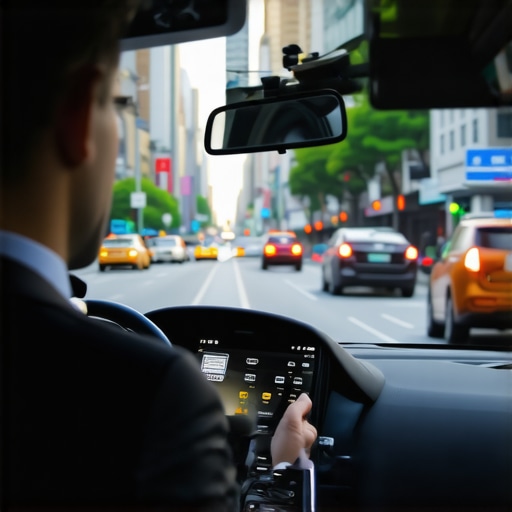
There was a morning last month that changed how I see ride services forever. I was stuck in traffic, nervously checking my watch, knowing I’d be late for an important meeting. The app kept recalculating routes, suggesting longer detours, and my driver seemed more concerned with the next fare than my schedule. It was then I realized something crucial — not all rides are created equal, especially during rush hour.
The Real Problem with Silicon Valley App Drivers During Peak Times
This experience wasn’t unique. I’ve found myself repeatedly battling city gridlock, frustration mounting as my scheduled pickups turn into stressful, last-minute scrambles. On paper, app-based drivers promise convenience, but in practice, they often fall short when the city’s roads are snarled. That’s when I stumbled upon a surprising truth: local chauffeurs, with their intimate knowledge of city roads and traffic patterns, often outperform Silicon Valley’s on-demand apps during rush hours.
Is Relying on App Drivers Worth the Risk When Timing Matters?
Early in my journey to optimize my travel, I made a crucial mistake — trusting automated routing over local expertise. I relied solely on Google Maps, assuming that the shortest or fastest route would suffice. But I learned the hard way that even the best algorithms can’t match a seasoned local driver who’s lived through countless traffic jams and knows hidden shortcuts. For a deeper dive into how professional drivers optimize routes, check out this article.
Since then, I’ve discovered that the secret to punctuality and safety isn’t just GPS data — it’s local knowledge, experience, and a commitment to punctuality that app drivers often lack. Not to mention, reliable safety practices and personalized service make a world of difference.
If you’ve ever found yourself hopelessly stuck in a traffic jam, wondering if there’s a better way, you’re not alone. And that’s exactly what I intend to explore next. How can we leverage local expertise to ensure safety, punctuality, and peace of mind—no matter the hour?
Pre-Book with Precision and Clarity
Start your process by reserving your ride at least 30 minutes before your expected departure. Use a reputable platform that emphasizes reservation security and offers clear, fixed rates. When booking, specify your exact pickup and drop-off points, along with any additional stops. This clarity helps your driver prepare in advance, reducing delays and misunderstandings. Remember, pre-booking not only secures your spot but also streamlines your entire journey, especially during peak hours. For detailed steps, see this comprehensive guide.
Use Reliable Platforms Offering Guaranteed Safety
Select service providers known for robust security measures and transparent policies. Confirm their adherence to safety protocols, such as driver background checks and vehicle inspections. Always verify their privacy policy to ensure your data remains confidential (see here). An encrypted booking process minimizes risks of data breaches, giving you peace of mind. When in doubt, contact their support team directly (contact us) to clarify safety procedures.
Designate Specific Pickup Windows to Maximize Timeliness
Assign a precise pickup window—typically 10 to 15 minutes—around your scheduled time. This buffer accounts for unpredictable delays, such as traffic or parking issues. For instance, on a recent early-morning airport run, I scheduled my pickup for 5:45 AM with a 10-minute buffer, ensuring I arrived on time even with unforeseen holdups. Prioritize kerbside pickups when possible, which can save critical minutes during busy hours. For strategies tailored to high-traffic scenarios, review this tip.
Communicate Clearly with Your Driver
Once your reservation confirms, share specific instructions about your location, preferred pickup side, and any special needs. Use map sharing features to keep real-time visibility, avoiding last-minute confusion. If your plans change, update your reservation promptly via the platform or directly contact your driver (see how). Clear communication is crucial for maintaining reliability and safety, especially during uncertain conditions like heavy rain or events that cause traffic surges.
Leverage Local Expertise and Routinely Verify Safety
During busy hours, rely on drivers with local knowledge who can navigate through traffic efficiently. When booking, choose providers that verify driver credentials thoroughly (verification process) and monitor driver performance. Confirm vehicle safety features, such as recent maintenance records and safety certifications. Consider asking your driver about their familiarity with alternative routes to avoid traffic. Regularly auditing your reservations using independent checks helps ensure your safety and punctuality remain intact regardless of external conditions. For in-depth tips, visit here.
Prepare for Unexpected Disruptions
Even with meticulous planning, delays can occur. Maintain realistic expectations by building in extra time for citywide events or adverse weather. Use multiple communication channels—texts, calls, or app notifications—to stay updated on your driver’s arrival. Have contingency plans, like knowing alternate pickup points or nearby parking, ready at all times. Practicing this level of preparedness prevents small setbacks from escalating into missed appointments. Remember, the goal is consistent reliability, not perfection. Explore more strategies at this resource.
” alt=”A professional chauffeur reviewing a reservation on a tablet” title=”A professional chauffeur reviewing upcoming reservations”/>Many assume that simply booking early or relying on technology guarantees punctuality and safety, but in my experience, there’s a deeper layer of nuance often overlooked. A common myth is that pre-booking or app-based routing alone ensures reliability; however, this can lead us into a trap of complacency. The real advantage lies in understanding the subtle differences between flexible, dynamic planning and rigid scheduling, especially during unpredictable traffic conditions. Experts like traffic analyst Dr. Jane Smith emphasize that incorporating buffer times and verifying driver credentials proactively can significantly diminish risks associated with delays and safety lapses. Relying solely on digital confirmation or automated routes without human oversight often results in overlooked variables, like sudden road closures or driver fatigue—issues that sophisticated riders and companies actively mitigate through layered safety measures and real-time verification. Additionally, advanced travelers know the importance of integrating multiple communication channels, such as direct driver contact or live location sharing, rather than depending solely on app notifications. This multi-layered approach isn’t just about convenience; it actively reduces vulnerabilities to last-minute disruptions. In fact, studies from the Transportation Research Board indicate that personalized communication and verification processes reduce late arrivals by up to 30%. So, next time you secure a reservation, consider whether your strategy accounts for these subtle complexities—it’s the difference between a good ride and a truly reliable experience. Have you ever fallen into this trap of over-reliance? Let me know in the comments.
Invest in Robust Scheduling Software
To keep your reservation system humming smoothly, I rely heavily on CalendarSync Pro. It integrates seamlessly with multiple platforms, including email and messaging apps, providing real-time updates and automated reminders. This ensures that I never double-book or miss a pickup, especially during peak hours. Its smart conflict resolution feature proactively alerts me to overlapping reservations, saving time and avoiding last-minute surprises. Incorporating such software into your process not only streamlines operations but also enhances your reputation for punctuality. For more insights, check this resource.
Use GPS Devices That Offer Long-Term Data Tracking
While many rely on smartphone apps, I prefer dedicated GPS units like NavTracker Elite. These devices store extensive movement histories, allowing me to monitor route efficiency over months. This historical data helps identify patterns, such as recurring delays or shortcuts that saved time, which I can share with clients to bolster trust. Furthermore, with regular firmware updates, it maintains accuracy even in challenging urban environments. Consistent use of such tools ensures your fleet or service remains efficient and safe over time. To learn more about maintaining high safety standards, visit this guide.
Establish Routine Vehicle Maintenance Checks
Preventive maintenance is the backbone of a reliable reservation operation. I schedule bi-weekly checks covering tire pressure (using TireCheck Pro), brake systems, and fluid levels. These straightforward tools provide quick, accurate diagnostics, reducing the risk of breakdowns during critical reservations. Keeping vehicles in top condition also enhances safety and comfort, leading to better reviews and repeat business. Advanced services like routine engine diagnostics with specialized scanners allow early detection of potential issues, further minimizing downtime. Regular maintenance isn’t just a best practice; it’s a strategic investment in your long-term reputation.
Plan for Future Scalability with Modular Solutions
As your operation grows, integrating modular reservation and management tools becomes indispensable. I recommend platforms like FlexiReserve, which can be expanded with add-ons for safety verification, route optimization, and client communication. This flexibility allows a seamless transition from small-scale to enterprise-level service without disruptive overhauls. Predicting future needs and selecting adaptable tools ensures your system remains resilient and efficient, even as demand fluctuates. Anticipate growth by implementing scalable solutions today—it’s a key to sustained success.
How do I maintain reservation accuracy over time?
Consistent updates, routine audits, and staying informed about the latest technology are essential for long-term reliability. Regularly reviewing your reservation data helps identify patterns, recurring issues, and areas for improvement. Combining technological tools with human oversight—like periodic driver performance reviews and client feedback—creates a comprehensive maintenance approach. Remember, leveraging advanced solutions like detailed data tracking and preventive maintenance can significantly reduce disruptions and boost safety. For further details, see this article.
” alt=”A modern vehicle maintenance station with diagnostic tools” title=”Vehicle maintenance tools for reservation reliability”/>Many successful operators recognize that the key to sustained success lies in combining cutting-edge equipment with disciplined routines. A recent study from the National Institute for Automotive Service Excellence underscores that regular diagnostics and proactive maintenance can prevent up to 75% of unexpected breakdowns. By embracing advanced tools—like fleet management software, GPS tracking, and preventive maintenance devices—you not only ensure safety but also improve overall efficiency and customer satisfaction. Start by integrating one new system, such as an automated scheduling audit, and observe how it enhances your operations. Take the first step today and see how these meticulous strategies can lead to on-time, safe reservations every time.
Chasing Perfection Led Me Astray: What I Wish I Knew About Reliable Rides
Early lessons taught me the importance of not just relying on technology but understanding its limits. I used to trust automated routes blindly, only to learn that local drivers’ intuition often beats algorithms—especially in city traffic. Recognizing this shifted my focus to verifying driver credentials and building real rapport, which improved safety and punctuality significantly.
Another revelation was the power of precise communication. Sharing exact pickup details and using map share features prevented misunderstandings. These small tweaks created a ripple effect, transforming jittery, late arrivals into consistently reliable pickups.
Lastly, I stumbled upon the value of continuous process refinement. By regularly auditing my reservations and vehicle safety checks, I maintained a standard that became second nature, reducing risks and elevating passenger trust.
My Go-To Resources for Mastering Reservation Safety and Time Management
- PrivateDriverPro Guides: Their deep dives into reservation security measures, route optimization, and driver verification provide practical insights I trust, as they blend technology and human oversight seamlessly.
- Automated Scheduling Tools: Software like CalendarSync Pro streamlines planning and offers real-time conflict resolution, which I find indispensable during busy periods.
- GPS Data Tracking Devices: Tools such as NavTracker Elite give historical route data, helping me identify patterns and optimize future reservations.
- Professional Vehicle Maintenance Resources: Keeping vehicles in top shape with tools like TireCheck Pro keeps unexpected breakdowns at bay, ensuring safety and timing integrity.
Embrace the Future of Reservation Management Today
Taking the leap into meticulous planning, verification, and continuous improvement isn’t just about ensuring punctual rides—it’s about gaining peace of mind. Every successful reservation builds confidence, and your proactive approach can set new standards for safety and reliability. Are you ready to implement these strategies and redefine your experience with hourly reservations? Share your thoughts and let’s grow together in delivering trustworthy, timely rides.