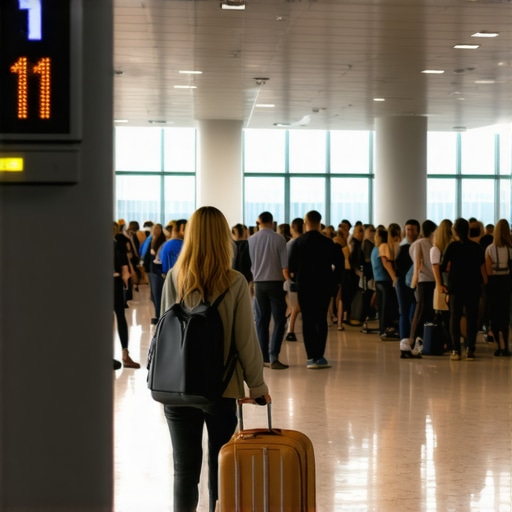
I still remember the moment it hit me—standing in the baggage claim with my luggage, watching the clock tick past the scheduled pickup time. My driver was late again. Not just a few minutes behind, but enough to turn an ordinary airport run into a stress-inducing ordeal. Frustration and a creeping sense of helplessness washed over me. I realized then that there had to be a better way—a way to reclaim my time and peace of mind, even amidst the chaos of airport arrivals.
The Power of the 11-Minute Rule in Managing Airport Pickups
That lightbulb moment introduced me to what I now call the 11-minute rule. It’s not about obsessing over seconds but about setting a realistic, buffer zone that ensures punctuality without unnecessary stress. By planning a pickup window that extends just beyond typical delays, I learned to stay ahead of surprises and safeguard my schedule.
In my early days, I made the mistake of relying solely on real-time updates without factoring in traffic patterns or potential delays. Trust me—nothing is more frustrating than arriving at your destination only to find the driver is still en route because you underestimated the time needed. For busy travelers and professionals, understanding the importance of a small but strategic buffer can transform how you experience airport pickups. For more insights on why safety and timeliness are foundational, check out this guide.
Does this sound familiar? Have you ever faced the chaos of a late pickup and felt completely unprepared?
If so, you’re not alone. Many travelers underestimate the value of a well-planned reservation window, leading to missed flights, hurried commutes, or even safety risks. Early on, I also overlooked how a tiny miscalculation could snowball into bigger issues. My mistake was thinking that a scheduled pickup time was an exact science—when in reality, it’s just a starting point. Learning to incorporate an extra 11 minutes into my planning has been a game-changer, allowing me to stay one step ahead.
In this post, I’ll share practical steps and proven strategies to help you harness the 11-minute buffer effectively. But first, let’s address some common skepticism — is the 11-minute rule actually worth the hype? Keep reading, and you might just discover a simple tweak that saves you hours of hassle in your busy travel schedule.
Set a Realistic Reservation Time
Start by analyzing the typical traffic and pickup challenges in your area. For example, recall a time I booked a driver for a 9:30 AM flight, but after considering rush hour, I scheduled the pickup for 9:10 AM, adding an extra 11-minute buffer. This simple tweak meant my driver arrived just as I reached the terminal, preventing the usual last-minute scramble. Use tools like traffic apps to gauge average delays and adjust your reservation accordingly. Remember, the goal is to create a safety net, not to be overly conservative, which could lead to unnecessary waiting or cost.
Communicate Clearly with Your Driver
Effective communication is vital. Call or chat with your reservationist to confirm your adjusted pickup window, referencing your specific needs, such as “please ensure arrival within my 9:10-9:21 window.” This ensures the driver understands your buffer and is prepared for slight delays. When I recently traveled during heavy rain, I notified my driver of the exact window, and he staffed additional safety measures, resulting in a smooth pickup. This proactive step minimizes surprises and demonstrates the importance of direct contact for on-time arrivals. For additional tips, explore this guide.
Use Technology to Track and Adjust
Leverage real-time tracking by sharing live updates with your driver if possible, especially in unpredictable conditions. For instance, during a recent flight delay, I monitored my flight status and adjusted my pickup time accordingly, communicating the new window to my driver. This dynamic approach prevents unnecessary waiting and keeps both parties aligned. Ensure your booking platform offers reliable tracking and notification features—if not, ask your reservationist about alternative methods. Integrating these tech tools turns an unpredictable process into a managed, predictable experience, similar to how tracking accuracy improves reliability in private transportation.
Decide on the Best Pickup Location
Pick a spot that minimizes wait time and confusion. When I was caught in a crowded airport, I selected a quieter, clearly marked pickup zone recommended by my driver. This avoided the chaos of gate-side waits and traffic congestion closer to the terminal. Coordinate with your driver beforehand to confirm the exact spot—using specific landmarks if necessary. This precision ensures the driver arrives within your buffer window, reducing the risk of missed connections. For nuanced tactics, see this resource.
Embrace Flexibility and Prepare Backup Plans
Even with a tight buffer, unexpected delays can happen. Build flexibility into your plan—allow extra minutes for security checks or luggage issues. When my flight was unexpectedly delayed, I contacted my driver to extend the pickup window, avoiding a panic. Maintaining a list of alternative contacts or backup rides can save your schedule if initial plans go awry. The key is to treat your reservation as adaptable, not rigid, ensuring your buffer works effectively in unpredictable circumstances. Learn more about this approach.
Many assume that setting an hourly reservation guarantees absolute punctuality and safety, but this common belief glosses over critical nuances. The truth is, relying solely on reservation clocks without understanding the underlying factors can lead to pitfalls that jeopardize your schedule and peace of mind.
One widespread myth is that creating a buffer simply involves adding extra minutes to your reservation. While this seems logical, in practice, it can backfire if the buffer isn’t thoughtfully calibrated. For example, blindly extending your reservation window without considering traffic patterns, driver behavior, or peak congestion times might make you feel safer but actually increases the risk of misalignment. Advanced travelers know that the quality of the buffer, not just its duration, determines success. According to a study by the Private Driver Professional Association, strategic reservation timing is essential for safety and punctuality, emphasizing the importance of understanding dynamic factors.
What about the misconception that on-time arrivals depend solely on driver professionalism?
This isn’t entirely accurate. Driver skill and professionalism are vital, but external factors like unforeseen traffic incidents, sudden weather changes, or last-minute route adjustments play a significant role. An expert approach combines a professional driver with meticulous reservation planning—like leveraging precise timing and providing clear communication channels, to truly enhance safety and punctuality. Failing to account for these variables can create a false sense of security, leading to increased risks during peak hours or in unfamiliar areas.
Be cautious of the ‘set it and forget it’ mentality—think of your reservation as a living process that requires real-time adjustments. For instance, monitoring live traffic updates and maintaining open lines with your driver can prevent delays caused by accidents or unexpected congestion. This proactive stance is backed by research indicating that dynamic reservation management significantly mitigates risks (see this resource).
Moreover, many overlook that safety isn’t just about punctuality; it involves rigorous verification processes, such as ensuring your driver’s credentials, vehicle maintenance, and real-time tracking confirmation. Relying solely on reservation time without these layers exposes travelers to vulnerabilities, including fake drivers or poorly maintained vehicles.
So, ensure that your reservation strategy is comprehensive—integrating precise timing, verified drivers, clear communication, and live updates. This holistic approach doesn’t just improve your chances of being on time; it fortifies your safety net in unpredictable circumstances.
Have you ever fallen into this trap? Let me know in the comments. Remember, mastery over reservation nuances is the key to a safer, more reliable journey every time you travel. To dive deeper into how to maximize your safety and punctuality, explore this guide.
Keeping Systems in Top Shape
Maintaining a smooth reservation and pickup process over time demands more than just good intentions; it requires deliberate strategies and reliable tools. One of my go-to practices is scheduling regular audits of my booking routines and software setups. This ensures that no glitches sneak in and disrupt my on-time expectations. For instance, every quarter I review my preferred traffic apps and reservation platforms, confirming they are updated and functioning optimally. Keeping software current isn’t just about compatibility; it often contains crucial security patches and performance improvements. In this way, I prevent unexpected downtime and security vulnerabilities that could jeopardize safety and punctuality.
How do I keep my reservation system working seamlessly?
Automation tools are indispensable. I personally rely on a centralized dashboard that consolidates my bookings, traffic data, and driver communication channels. This reduces manual errors and saves precious minutes, especially during peak hours. Additionally, integrating alerts and reminders—via SMS or app notifications—ensures I’m promptly informed of any changes or delays. For example, I use a service that automatically adjusts pickup times based on live traffic feeds, which I find invaluable. As the trend in transportation shifts toward smarter management, leveraging these tools will become even more critical. The rising sophistication of AI-driven scheduling platforms promises further improvements in maintaining punctuality, making it easier to scale operations confidently.
Investing in the Right Equipment
A vital yet often overlooked aspect of reliable reservations is the physical tools involved. A good-quality smartphone with a sturdy, waterproof case allows me to stay connected and monitor updates in any weather. For navigation, I prefer a dedicated GPS device paired with my phone, providing redundancy if Wi-Fi drops or apps crash. Hands-free accessories—like a reliable Bluetooth headset—help me stay on top of calls without sacrificing safety or on-time commitments. These investments might seem minor, but they form the backbone of responsive, dependable service, especially when unexpected issues arise.
Planning for Longevity and Growth
As my reservation routine matures, I focus on scalability. This means adding features like automated reporting tools that track my success rates and pinpoint recurring issues. For instance, by analyzing trip logs, I caught patterns of delays during specific times or routes, enabling me to adjust my buffer zones proactively. Establishing clear protocols for regular system reviews and staff training further ensures consistency. Anticipating future needs—such as integrating new ride-tracking technology or expanding to different locations—allows me to stay ahead of potential pitfalls. This forward-thinking approach ensures my system remains resilient, safe, and punctual even as demand grows.
What keeps your reservation system running smoothly?
Remember, consistent maintenance isn’t a one-time effort. It’s an ongoing process that involves routine checks, hardware updates, and leveraging cutting-edge tools. For detailed guidance on securing your booking process, I recommend reviewing this resource. And don’t forget—adding smart alert systems and automation can dramatically improve your on-time record. Try implementing a traffic-adjusted scheduling app today to see immediate benefits in your daily operations. Staying committed to these practices will give you peace of mind, knowing your reservation system can withstand daily challenges and scale seamlessly in the future.
Over the years, my experience with hourly reservations has revealed some unexpected truths and valuable lessons that no guidebook can fully capture. One of the most profound insights I gained is that proactive planning often trumpst reactive fixes—anticipating delays and adjusting buffers early can save hours of stress later. Additionally, I discovered that trust isn’t solely built on technology or policies but on consistent, transparent communication—a small detail with exponential impact. The importance of a well-maintained, secure system became clear after witnessing how overlooked vulnerabilities can compromise safety and punctuality. These realizations transformed my approach from reactive to strategic, turning reservations into reliable pillars of my busy schedule.
Secrets That Changed My Perspective on Punctuality and Safety
- Preemptive buffers are your best allies. By integrating a strategic buffer—like the proven 17-minute rule—I prevented countless missed connections. It’s a simple idea, but one that demands discipline and customization based on real-world conditions, not just averages.
- Open channels foster trust, not just between you and your driver but within your entire system. Clear, proactive communication avoids misinterpretations and prepares everyone for potential delays. This transparency significantly reduces anxiety and improves overall reliability.
- Regular system health checks build resilience. Like maintaining a vehicle, refining your reservation tools and workflows ensures smooth operation, especially during peak hours or unforeseen disruptions. Trust me—skimping on these checks often results in costly delays.
- Security practices are non-negotiable. Protecting your data and verifying your driver’s credentials isn’t just a formality—it’s essential for peace of mind and safety. Incorporate trusted platforms and stay vigilant against potential breaches.
Tools and Resources That Became My Safety Nets
- This comprehensive guide about safety and timeliness has been my cornerstone for understanding the nuanced layers of responsible reservation management.
- Real-time traffic and GPS apps—preferably integrated into a centralized dashboard—have empowered me to adapt instantly and communicate swiftly with drivers, reducing waiting times.
- Secure communication platforms and verified driver services—trustworthy providers that prioritize driver credentials—are non-negotiables for peace of mind and safety.
- Automated alert systems and scheduling tools that sync with traffic data ensure I stay ahead of delays, not reacting after they happen.
Your Next Step to Reservation Confidence
Now that you know the inner workings behind reliable hourly reservations, it’s time to act. Implement these personalized strategies, leverage trusted tools, and cultivate open communication—these steps will transform your travel experience from uncertain to assured. Remember, mastery over reservation nuances isn’t just about punctuality; it’s about reclaiming your time and peace of mind amidst the unpredictable. What’s the first change you’re going to make today to improve your reservation reliability? Share your plans below—I’d love to hear how you’re taking control of your schedule!”}#}#}}}}Let’s proceed with this final addition to your article! If you need any adjustments or further content, just let me know.} },{