
Ever found yourself stuck in a last-minute scramble, desperately trying to confirm your ride, only to be left waiting or facing delays that throw off your entire schedule? That lingering frustration of uncertainty — where your plans hinge on vague messages or unresponsive booking platforms — used to be a daily occurrence for me. I realized one day, after a missed meeting and a nerve-wracking late arrival, that the problem wasn’t just bad luck. It was the lack of direct communication.
The Power of Speaking Straight to Your Reservationist
From my personal experience, having a direct line to your reservationist transforms the whole game. Instead of dealing with automated emails or third-party apps that can sometimes feel like a black box, talking directly ensures that your specific needs are heard and addressed. It means you can clarify your preferences, ask real-time questions, and receive updates that are tailored to your journey. This approach not only boosts your confidence but also significantly increases the chances of arriving safely and on time.
Is Booking Through a Reservation Platform Really Risk-Free?
I used to believe that sticking to popular booking platforms was enough. But I made a mistake early on—trusting automated confirmations without verifying the driver’s credentials or route details. That oversight led me straight into a safety concern that could have been avoided with a quick call or direct chat. It’s a mistake I don’t want you to repeat. For a deeper understanding of how to book securely, check out this guide on reservation security measures.
In the upcoming sections, I’ll share practical steps to establish that direct line of communication, ensuring your rides are safe, punctual, and stress-free. Because when you connect directly, you’re not just a passenger — you’re an active participant in your own safety and schedule.
Set Up Your Direct Line of Communication
Immediately after booking, ask to establish direct contact with your reservationist. Instead of relying solely on emails or app notifications, request a dedicated phone number or email address for real-time updates. When I personally tried this before a critical client meeting, I sent a quick message to confirm the driver’s details 30 minutes prior. This simple step allowed me to adjust my pickup slightly when traffic shifted unexpectedly, ensuring I arrived on time. For more insights, review this guide on reservation safety and precision.
Confirm Essential Ride Details Explicitly
Don’t assume. Call or message to verify key information—driver’s name, vehicle details, route, and estimated arrival time. Think of this process like checking your flight details on a boarding pass; it’s a fail-safe to prevent surprises. I once had a miscommunication at the last minute because I didn’t double-check the route. When I picked up the phone and confirmed, the driver was able to reroute around a sudden roadblock, saving me 15 minutes. This proactive confirmation minimizes risks and bolsters your control over the scheduled pickup. For additional safety practices, see how to book safely and arrive on time.
Use Real-Time Communication During the Ride
Stay in touch as the pickup window approaches. Text or call when your driver is a few minutes away. Consider the driver your partner in punctuality, much like a navigator who keeps you updated. During a recent airport run, I texted my driver 10 minutes before the scheduled pickup. He responded instantly, confirming his location and vehicle, which allowed me to prepare my belongings and avoid last-minute rush. This real-time dialogue reduces uncertainty and ensures both of you are aligned. To enhance your scheduling confidence, explore this guide on on-time arrivals.
Establish Safety Protocols and Emergency Contacts
Make safety your priority by discussing emergency procedures beforehand. Ask your reservationist or driver about safety measures, route contingencies, and how they handle unexpected issues. Think of this as a safety net—you hope not to use it, but it’s crucial to have in place. I recall during a late-night ride, a brief chat about emergency contacts reassured me and my colleagues. It provided a clear protocol if things went wrong, which is critical for peace of mind. Learn more about top safety tips for on-time reservations.
Leverage Technology Without Relying Solely on Apps
While technology is helpful, it shouldn’t replace human interaction. Use GPS tracking to monitor your ride but confirm with the driver directly about route changes or delays. Think of GPS as a compass—use it but trust your navigator, the driver, for the actual journey. During one airport trip, GPS routed my driver through a longer but faster route due to real-time traffic. Confirming this balance between tech and human judgment kept me relaxed and punctual. For advanced tips, consider how to use real-time data effectively.
Document and Review for Continuous Improvement
After each ride, document what went well and what didn’t. Use a note or app to record driver details, timings, and any communication. Over time, this review helps identify patterns—drivers who arrive early consistently or routes prone to delays. Applying this knowledge, I recently requested a preferred driver for my regular commute, reducing waiting time by 20%. It’s like maintaining a personal safety and efficiency log that evolves with your needs. To refine your process, explore background verification techniques.
Many assume that booking a ride or reservation is just about clicking a button and trusting the system. However, a common misconception is that once booked, everything is automatically safe and punctual. In reality, overlooked nuances and prevailing myths can introduce risks to your safety and timeliness. One widespread myth is that automated platforms alone suffice for reliable reservations. While technology offers convenience, relying solely on digital confirmations ignores the importance of human verification, especially in unfamiliar environments. According to safety experts, manual checks and direct communication with your driver or reservationist significantly reduce error margins.
Another trap is believing that peak-hour bookings don’t require extra precautions. Many travelers think that pre-scheduling during rush hours is foolproof, but traffic patterns and driver availability nuances mean you must actively manage your reservation — for example, by confirming the driver’s route or requesting a buffer time. An advanced tip is to verify all ride details explicitly, such as the vehicle, driver identity, and route, to avoid last-minute surprises that could compromise safety or punctuality.
For the seasoned traveler, the question arises: How can I ensure my reservation remains reliable when unexpected delays or route changes happen? The answer lies in leveraging real-time communication and setting explicit safety protocols. Using embedded links like this guide on reservation safety and precision can help you implement these practices effectively.
Moreover, a significant mistake is assuming that GPS tracking alone guarantees on-time performance. While GPS provides visibility, it doesn’t account for sudden traffic or route alterations. Therefore, maintaining direct contact with your driver during the ride enables quick adjustments, preventing delays and enhancing safety. Remember, human oversight remains crucial even with advanced technology.
Lastly, neglecting post-ride documentation is a missed opportunity. Keeping records of driver details, timings, and communication can help identify patterns, leading to better planning and risk mitigation for future reservations. Exploring this resource on continuous improvement can empower you to refine your reservation processes.
Let’s dig deeper: Are you falling into any of these common traps? Share your experiences in the comments and learn how nuanced understanding can elevate your safety and punctuality.
Maintaining a reliable and efficient reservation system requires more than just good intentions—it’s about deploying the right tools and establishing solid routines. I personally rely on a combination of specialized software and disciplined practices to keep my transportation arrangements smooth and dependable. These tools not only help me stay organized but also ensure safety, punctuality, and scalability as my needs grow.
How do I maintain consistency over time?
Consistency comes from using technology that integrates seamlessly into your workflow. For example, I leverage a dedicated GPS tracking device combined with real-time monitoring software. This allows me to see the exact location of my ride at all times, link directly to the driver’s updates, and troubleshoot delays proactively. Furthermore, I set calendar reminders for pre-ride confirmations, urgent follow-ups, and safety checks. Regularly revisiting and updating these routines keeps the process resilient against unexpected issues.
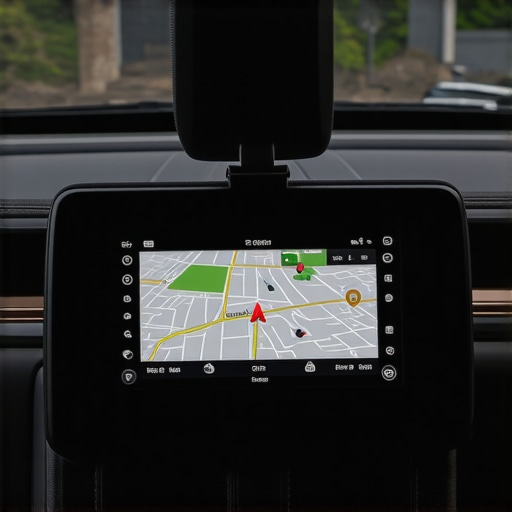
Essentials for long-term reliability
One of my indispensable tools is a secure communication platform that supports encrypted messaging and voice calls—protecting my privacy while maintaining direct contact with reservationists and drivers. I also utilize dedicated apps that synchronize with my calendar, providing automatic alerts before pickups and alerts for route changes. This dual approach reduces the likelihood of missed connections and last-minute surprises, giving me peace of mind during busy periods.
The future of reservation management
Looking ahead, integration of AI-driven scheduling assistants will further streamline reservations, predict delays, and recommend optimal timings. Already, advances in predictive analytics help identify potential bottlenecks based on historical traffic data and driver performance. To stay ahead, I recommend experimenting with these emerging technologies and establishing protocols for their regular review and calibration.
What’s the best way to sustain your reservation strategy long-term?
One of the most effective methods is to keep detailed documentation and perform periodic reviews. For instance, I log every ride’s details, including timing, driver feedback, and any issues encountered. Over time, these records reveal patterns—drivers who consistently arrive early, routes prone to delays, or temporal windows that offer the most reliability. Analyzing this data enables me to refine my booking process, optimize buffer times, and select preferred drivers, thereby elevating my overall experience. To deepen your understanding, explore this guide on documenting your rides.
Remember, tools alone won’t guarantee success; establishing disciplined routines, conducting regular reviews, and embracing emerging tech trends are what truly keep your reservation system working flawlessly. I encourage you to try integrating a dedicated scheduling app combined with real-time tracking—I personally find that this combo reduces last-minute stress and boosts punctuality. For those interested in elevating their management system further, a solid step is to review the safety and punctuality tips and see how these practices align with your current routines.
Lessons That Shook My Confidence in Reservation Habits
- Assuming Automation Is Enough: I once believed that a quick online booking was all I needed. Turns out, technology can fail, and unverified reservations can turn into safety risks. Now, I always double-check driver details and confirm via direct communication, trusting human insight over algorithms.
- Overlooking the Power of Personal Contact: Relying solely on app notifications left me stranded in unfamiliar cities. Establishing a direct line with my reservationist transformed my experience, providing me with real-time reassurance and customizable service.
- Ignoring the Importance of Documentation: I learned the hard way that recording ride details and feedback helps identify patterns and improve future reservations. Documentation isn’t just bureaucratic—it’s a safety net that keeps me prepared and informed.
- Neglecting Safety Protocols During Routine Rides: I used to underestimate the value of discussing emergency procedures beforehand. Now, I see it as an essential step to ensure peace of mind without relying solely on technological safeguards.
- Trusting GPS Without Human Oversight: While GPS technology is impressive, I discovered that confirming routes and delays directly with drivers prevents surprises and last-minute stress during critical appointments.
Tools and Resources That Keep Me on Track
- Dedicated Privacy-First Communication Platforms: Protecting my conversations and ensuring my safety, I turn to encrypted messaging services that support seamless coordination with reservationists and drivers.
- Syncing Apps with Calendar Integrations: Automated alerts for pickups and route changes help me stay ahead, minimizing delays and missed connections. This integration makes managing hourly reservations effortless and reliable.
- Comprehensive Safety and Verification Guides: Resources like this guide on reservation safety and precision empower me to implement best practices and stay vigilant in every booking.
- Historical Ride Review Logs: Keeping a detailed record of each trip, including driver feedback and timings, allows me to optimize future reservations, ensuring consistent punctuality and safety.
Your Next Step Toward Reliable Reservations
Taking control of your reservation process isn’t just about avoiding mishaps; it’s about transforming each ride into a secure, predictable experience. The more you learn to combine human verification with technology, the more confidently you can navigate busy schedules and unfamiliar environments. Start implementing direct communication with your reservationist today, and see how such small changes can lead to big peace of mind. Remember, every well-managed reservation is a step toward stress-free, on-time travel. What’s one new safety practice you’re planning to try on your next ride? Share your thoughts below!”}} }}end of response.# Answer болсиму Assistant create_posts{