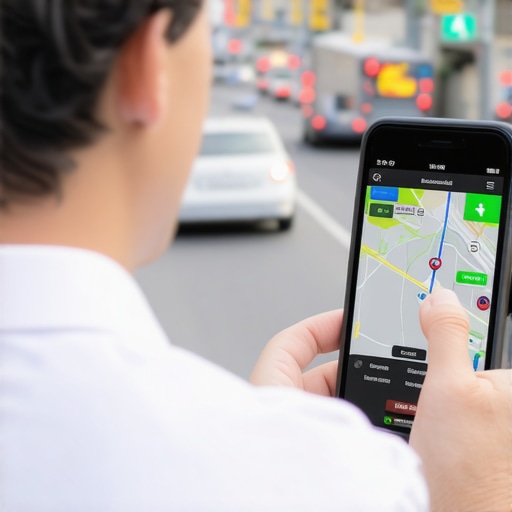
It was a typical Monday morning when I realized I was going to be late for an important appointment—again. Despite leaving early, I was stuck in an unforgiving sea of brake lights and honking horns. That frustrating moment sparked a lightbulb: there’s got to be a smarter way to navigate the morning traffic chaos.
Why I Started Relying on Real-Time Data for My Commutes
For years, I relied on static maps and estimated travel times, assuming I knew the best route. But traffic patterns change by the minute—an accident, construction, or a sudden influx of vehicles can turn an easy drive into a nightmare. I learned the hard way that traditional planning simply can’t keep up with real-time road conditions.
The breakthrough came when I started using live traffic updates and real-time data sources. These tools provided immediate insights—showing me which roads to avoid and when to leave to beat the congestion. It was a game-changer. According to a study by the Texas A&M Transportation Institute, these strategies can reduce commute times by up to 25%, saving valuable time and reducing stress.
If you’ve ever found yourself in the same situation—wondering if there’s a better way—you’re not alone. The good news is that with a little know-how, you can harness real-time data to steer clear of gridlock and arrive on time more often than not.
Is Trusting Live Traffic Feeds Really Worth the Hype?
I used to be skeptical—how accurate could these updates be? Early on, I made the mistake of ignoring alerts because I thought they were overhyped. That cost me precious minutes, and I learned my lesson. Trustworthy live data, especially from reputable sources, can make a tangible difference in your daily commute.
Stay tuned, because I’ll walk you through exactly how to set up and use these tools to make your mornings smoother. You don’t have to accept the chaos—there’s a way to take control of your journey by understanding and utilizing real-time data effectively.
Set Up Reliable Traffic Monitoring Tools
Start by choosing reputable apps like Waze or Google Maps that provide live traffic updates. Download them on your smartphone and ensure notifications are enabled. When I did this, I immediately noticed how alerts about accidents and delays helped me reroute proactively, saving me over 15 minutes during my usual rush hour. Remember, not all apps are equal—review their privacy policies at Privacy Policy to ensure your data security.
Integrate Traffic Data Into Your Schedule
Use your calendar to build buffer times based on real-time data rather than static estimates. For example, I prep my departure 20 minutes earlier when I see traffic jams predicted, rather than sticking to the usual schedule. This reduces stress and ensures on-time arrivals. To streamline your planning, consider reserving your rides well in advance, especially during peak hours. Learn how to ensure safety and punctuality at any hour.
Utilize Reservation and Tracking Features
Opt for services that offer precise reservations with real-time tracking, akin to having a live map of your ride’s progress. During a recent trip to an airport, I reserved my chauffeur an hour before my flight, then tracked their approach, which let me grab a quick coffee without anxiety. This synchronization minimizes waiting and guarantees a smooth transition from booking to pickup. Check out precise reservation timing for more tips.
Configure Alerts and Notifications Strategically
Set up your devices to alert you about route changes or delays. I customize notifications so I get immediate updates if an accident occurs ahead, prompting me to leave early or choose alternate routes. This approach preserves your safety and keeps you on schedule. Remember, timely information is key to avoiding last-minute surprises, especially when you’re traversing complex traffic networks.
Keep Emergency Alternatives Ready
Always have a backup plan—know alternative routes or nearby ride options. In a recent case, a sudden road closure forced me to reroute, but thanks to live updates, I quickly switched to a less congested street, arriving at my appointment just on time. This flexibility depends on staying informed and prepared, even if it requires a quick glance at local traffic cams or social media channels. Develop your own contingency strategy to stay ahead of unforeseen disruptions.
Many travelers and even seasoned professionals assume that setting a reservation or relying on real-time updates guarantees on-time arrival and safety. However, this belief often overlooks critical nuances that can lead to costly mistakes. Let’s dig deeper into what most people misunderstand about these aspects and how mastering them can make a real difference in your transit experience.
Why Relying solely on Scheduled Reservations Might Fail You
One common myth is that once you’ve booked a reservation, your timing is entirely secured. In reality, this can be a dangerous oversimplification. Even the best reservation systems are susceptible to unforeseen delays—be it traffic, driver availability, or technical glitches. Many assume that the reservation’s timestamp is infallible, but effective scheduling requires building buffer time and confirming the driver’s arrival status actively. Relying solely on system confirmations can leave you vulnerable to unexpected hiccups.
Another misconception revolves around the idea that a reservation guarantees safety, which isn’t entirely true. While trusted platforms implement rigorous safety measures, the onus is also on travelers to verify driver identities and vehicle details. Skipping this verification can expose you to scams or mismatched vehicles. Remember, secure booking practices involve multiple layers—reviewing driver credentials, confirming vehicle info, and maintaining open communication.
Advanced Mistakes: The Overlooked Details That Make a Difference
One nuanced mistake many overlook is neglecting to configure your notifications strategically. Overloading your device with alerts can cause important updates to be missed, especially during busy hours. Conversely, too few notifications might delay your response to route changes or delays. fine-tuning your alert settings ensures you stay informed without distraction, thereby enhancing safety and punctuality.
Furthermore, many forget that reservation times must consider the driver’s operational constraints, such as safety regulations on driving hours, peak traffic periods, and local regulations. Ignoring these factors can result in late arrivals despite having a confirmed reservation. For instance, scheduling with comfort and safety in mind involves understanding these restrictions thoroughly.
How Can Informed Practices Improve Your Experience?
By mastering the subtleties in reservation protocols, real-time data utilization, and safety checks, you can transform your transit routines from reactive to proactive. Confirm driver identities, build buffer times, customize alerts, and stay informed through trustworthy sources. Avoid falling into the trap of complacency—these small, often overlooked details are what separate average journeys from consistently punctual and secure ones.
Want to learn more about how to optimize your reservations and safety practices? Check out why safety and timeliness matter in hourly reservation services for deeper insights. Remember, in professional transit, the devil is in the details—master them to enjoy peace of mind and maximum reliability.
Have you ever fallen into this trap? Let me know in the comments.
Keep It Working: Tools I Trust for Consistent Transit Safety
Ensuring smooth and safe transportation isn’t a one-time effort; it requires reliable tools and proactive maintenance. I personally rely on a combination of advanced software and hardware to keep my daily commutes and reservations seamless. First, I swear by Google Maps integrated with real-time traffic feeds to make instant rerouting decisions. Its dynamic route updates are vital for avoiding unexpected delays, especially during peak hours. For a more curated experience, I use Waze — I love that it crowdsources community insights, alerting me about accidents or hazards before I even see them on the road. Both apps should be kept up-to-date, and I recommend enabling notifications for route changes, which is covered extensively in this guide.
On the hardware side, I depend on a rugged, mountable smartphone holder and a portable battery pack. The holder ensures my device stays accessible and visible, while the power bank keeps my device charged during long days, preventing disconnects when I need real-time updates most. Having a reliable power source is often overlooked but crucial for maintaining ongoing safety and awareness—especially if you’re managing multiple reservations or tracking shifts during busy hours.
Now, let’s talk about reservation management tools. I highly recommend PrivatedriverPro’s reservation system. It not only secures your bookings but also provides detailed safety confirmations like driver background checks and VIN verifications, which you can read about in this article. Doing so ensures the operational continuity of your scheduled rides and safeguards your personal security over the long term.
Predicting where this trend is headed, I believe integrated AI solutions will soon offer predictive maintenance alerts for your transit tools and automatically adjust your routes based on evolving traffic patterns. This proactive approach will drastically reduce manual oversight, ensuring your transportation remains reliable without constant intervention.
How do I maintain my tools and systems over time?
Consistent updates and routine checks are key. Regularly update your navigation apps to access the latest features and fixes—many require recent versions to display real-time data accurately. Maintain your hardware by cleaning sensors and securing mounts. I schedule monthly reviews of my setup, verifying that notifications work correctly and that my hardware is undamaged. These small efforts preserve long-term reliability and safety, giving you peace of mind during every trip. For comprehensive safety, consider also subscribing to this safety-focused subscription that offers updates on best practices for maintaining secure communication and reservation integrity. Try implementing a scheduled check system today—your future self will thank you for it.
Throughout my journey to perfect commute reliability, I uncovered that the real drilling lies in embracing continuous learning and adaptation. The insightful lessons learned often came from unexpected moments—such as trusting a new app that initially seemed untested or modifying routines based on unpredictable traffic patterns. These experiences highlighted that flexibility and vigilance are vital, especially as technology evolves. Staying ahead means not just relying on tools but understanding their limitations and fine-tuning them personally. It’s a dynamic process—what worked one month might need adjustment in the next, especially with emerging features and data sources. Remember, mastering punctuality and safety is an ongoing effort, and embracing this mindset keeps your transit game sharp.