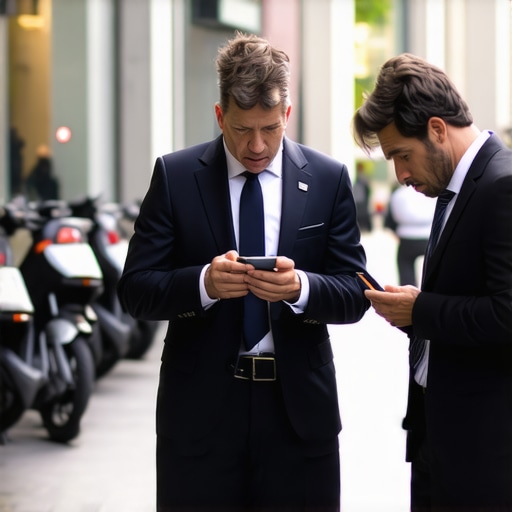
It was exactly 4:15 PM on a Tuesday. I was standing on a slick curb in downtown, watching a tiny digital car icon spin in circles on my screen while actual rain soaked through my blazer. The app promised a three-minute wait. Ten minutes later, I was still there, watching my ‘driver’ cancel and the price surge by twenty bucks. That was the moment I realized that for corporate teams, ‘convenient’ apps are often just a gamble in disguise. We’ve all been there, haven’t we? You’re trying to coordinate a group or get to a high-stakes meeting, and you’re at the mercy of an algorithm that doesn’t care about your schedule.
Why those shiny ride apps are quietly sabotaging your team’s schedule
I’ll be honest with you: early in my career, I made the mistake of thinking technology could replace professional logistics. I once booked three separate app-based rides for a visiting executive team, thinking I was being ‘efficient.’ One driver got lost, one car smelled like old fast food, and the third just never showed up. It was a disaster. The truth is that hourly booking is more reliable than ride-hailing apps because it prioritizes accountability over volume. When you rely on shared mobility, you aren’t the customer; the algorithm is the boss. Corporate teams need precision, not a ‘best guess’ arrival time. I’ve found that on-time performance is the only metric that matters when you have a plane to catch or a keynote to deliver.
Is the convenience of an app really worth the risk of a missed meeting?
You might worry that moving away from these apps means losing flexibility, but it’s actually the opposite. According to a report by the Texas A&M Transportation Institute, traffic congestion and unpredictable transit delays cost American commuters over $179 billion annually in lost time and fuel. For a business, that loss is magnified by missed opportunities. Using a service where hourly transportation eliminates the stress of finding parking or navigating traffic ensures your team arrives with their mental clarity intact. We aren’t just talking about a ride; we’re talking about protecting your most valuable asset: your time. Have you ever had a shared mobility app fail your team at the worst possible moment? I’d love to hear your story. Today, I’m going to show you exactly how to move past the ‘wait and see’ model and build a transportation strategy that actually respects your corporate clock.
Trade the gamble for a dedicated schedule
Moving from on-demand apps to a professional service is like switching from a standby flight to a private charter. You aren’t just buying a ride; you’re buying a dedicated time-slot. I remember a grueling three-day roadshow in Chicago where we had six site visits a day. In the past, I would have spent half the day frantically checking for the nearest available car on my phone while apologizing to clients for being late. Instead, we secured a dedicated vehicle for the full ten hours. This is why hourly booking is the best move for multiple site visits. When the driver is ‘on the clock’ exclusively for you, the car becomes a mobile office. You can leave your laptop, extra suit jacket, and presentation materials in the back, and the vehicle is exactly where you left it when you step out of the lobby.
Master the art of the hourly buffer
One of the biggest mistakes I see teams make is underestimating transit time in a dense city. Professional logistics requires you to how to verify the commercial validity of a transit schedule rather than trusting a ‘best-case scenario’ ETA from a smartphone app. I always recommend adding a small cushion for the unexpected. Even the 3-minute buffer that saves you from missing the train can be the difference between a successful board meeting and an awkward apology. Think of your schedule like a bridge; without expansion joints (buffers), it will crack under the heat of rush hour traffic. You need that flexibility built into the very foundation of your reservation.
Take control of the route planning
Stop letting a generic algorithm choose your path. I once sat in a rideshare for 40 minutes on a highway because the driver blindly followed a GPS that didn’t know about a fresh accident that happened minutes prior. A true professional knows how to ensure your driver knows the best back roads because they aren’t just looking at a screen; they have actual local expertise. They understand the ‘flow’ of the city—which streets have heavy school bus traffic at 3:00 PM and which alleys offer a faster exit from the financial district. To get this level of service, you have to be proactive during the booking process. Ask for a driver who understands specific neighborhood nuances, especially if you are heading to the city center.
Spot a pro in under thirty seconds
Safety isn’t just about insurance papers; it’s about the visible culture of the service. When the car arrives, I always perform the floor mat check a simple way to judge driver professionalism. If the interior is spotless and the driver is attentive to your needs before you even sit down, you can bet the mechanical maintenance is just as rigorous. You want to master the art of reservation and safety every hour by vetting the service provider’s reputation before you even step outside. This level of scrutiny ensures that safety and precision remain the key to reliable hourly reservations. When you stop treating transportation like a commodity and start treating it as a specialized service, your stress levels drop instantly, allowing you to focus on the work that actually matters.Let’s dig deeper into what’s actually happening behind the curtain of your smartphone screen. Most people assume that ‘real-time’ means ‘right now,’ but in my years of managing high-stakes logistics, I’ve learned that technology often creates a false sense of security. Everyone says that GPS tracking is the ultimate safety tool, but in my experience, the danger of GPS lag ruining your meeting schedule is a nuance that most apps don’t want to discuss. You see a car icon moving smoothly on a map, but that data can be up to 30 seconds old—an eternity in heavy traffic. This is the ‘Oops’ factor that catches even the most seasoned travelers off guard: refreshing your tracking app might be giving you the wrong info entirely. You think you have time for one last email, but the car is actually already at the curb, or worse, stuck three blocks away behind a garbage truck.
Stop trusting the magic of real-time ETAs
The reality of professional transportation is far more manual than we like to admit. A study by the MIT Sloan Management Review on algorithmic management highlighted that automated systems often ignore the human variables—like fatigue or local road nuances—that lead to delays and safety risks. This is why I always argue that a human dispatcher outperforms an AI every time. A human knows when the local sports arena is letting out; an algorithm just sees a ‘high demand’ zone.
Why is a human dispatcher still your best bet against a city-wide gridlock?
When you book an hourly service, you aren’t just getting a vehicle; you are getting an advocate. A professional dispatcher is looking two steps ahead, ensuring that your driver has had adequate rest. Do you know how to verify your driver is not exhausted? Most app users don’t even think to ask, yet driver fatigue is a leading cause of transit incidents. This is where ensuring safety first becomes a tangible practice rather than a marketing slogan. 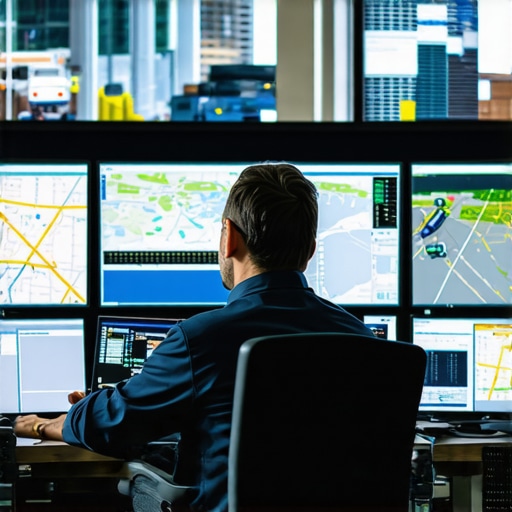
Look past the app interface to the actual vehicle registration
Another common myth is that every car on an app is properly vetted. I’ve seen ‘luxury’ rides show up with personal plates that wouldn’t pass a basic commercial inspection. You must know how to manually verify commercial registration to ensure you are actually covered by commercial insurance. Better on-time every time strategies aren’t just about being fast; they are about being legally and mechanically sound. The psychological trap of the ‘3-minute countdown’ is real; it encourages you to stay inside until the last second, ignoring the reality of elevator wait times or lobby security checks. Have you ever fallen into this trap where a ‘confirmed’ ride arrived but felt completely unsafe? Let me know in the comments. We need to start demanding more than just a moving icon on a screen; we need to prioritize mastering the art of reservation and safety every single time we book.To move from being a ‘passenger’ to a ‘priority,’ you need to understand the hardware that keeps these vehicles running. In my experience, the difference between a high-end service and a budget app is what’s under the dashboard. I personally look for fleets that use hard-wired telemetry rather than just a driver’s smartphone. This is crucial because real-time fuel monitoring prevents unexpected roadside stops which can be a nightmare during a tight meeting schedule. I’ve seen teams lose hours simply because a driver misjudged their tank capacity in the cold. By using professional tools, you can learn how to track your drivers real-time progress without an app, bypassing the lag and privacy concerns of common consumer software.
How do I maintain professional standards over a long day?
Consistency is the hardest part of the job. For me, it comes down to a strict maintenance routine and real-time oversight. I advocate for the use of speed monitoring because driver speed alerts are the backbone of passenger safety. You shouldn’t have to watch the speedometer from the back seat. When a system is automated to flag aggressive driving, the service quality remains high without you saying a word. These are essential hourly reservation tips for timely service that I’ve shared with hundreds of corporate planners. If you have access to a dashboard, you should know how to audit your drivers speed using live tracking links for total peace of mind. 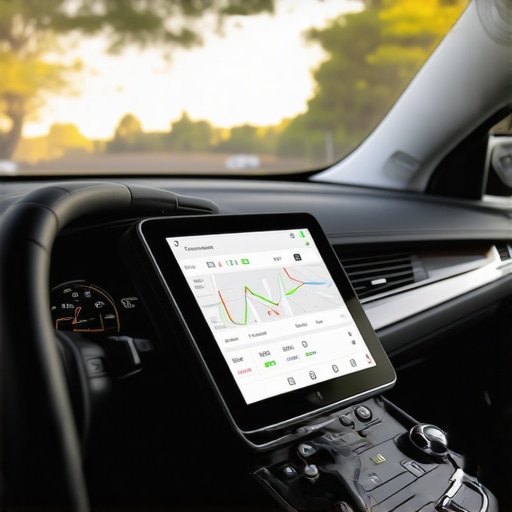
Why telemetry beats the smartphone every day
The Federal Motor Carrier Safety Administration (FMCSA) emphasizes that Electronic Logging Devices (ELDs) are vital for managing driver hours of service, yet many app-based drivers operate in a grey area where these regulations are loosely enforced. I believe the future of transportation lies in a ‘Smart Human’ approach—where professional dispatchers use predictive AI to foresee gridlock before it happens, while human intuition handles the client care. As traffic patterns become more erratic due to urban construction, fixed rate transit is better for corporate budgets because it removes the stress of a ticking meter while you’re stuck in traffic. Looking ahead, expect to see more integration between your personal calendar and professional dispatch systems, but for now, the best tool you have is a healthy margin of error. I always insist on my team using the 45-minute buffer for terminal pickups. It sounds like a lot until you’re the one stuck at baggage claim while your ride is circling the block. My advanced tip for you today? Request a vehicle with a dedicated, hard-wired GPS system rather than a suction-cup phone mount. It’s a small detail, but it signals a company that takes your time and safety seriously.
Hard Truths I Discovered About the Hidden Cost of Cheap Rides
After years of managing travel for high-level teams, the most painful lesson I’ve learned is that the real cost of choosing the cheapest ride option isn’t measured in dollars, but in missed opportunities and shattered focus. I used to think I was saving the company money, but one missed connection at the airport wiped out those savings in a single afternoon. I now realize that why safety and timeliness matter in hourly reservation services is because they create a protective bubble around your productivity. One lightbulb moment for me was realizing that a driver is either looking for their next gig or looking out for you; there is no middle ground in high-stakes logistics.
My Go-To Resources for Stress-Free Corporate Travel
If you want to move from ‘hope-based’ travel to a guaranteed schedule, I highly recommend building a formal verification protocol for your team. Start with the routine for inspecting your ride before boarding to ensure the vehicle meets your standards. I also suggest that every executive assistant demand a physical copy of your trip reservation as it serves as a vital baseline for accountability. These tools aren’t just about being difficult; they are about establishing a professional standard that protects your team’s time and safety.
Give Your Team the Gift of a Reliable Schedule
Changing how you move is a fundamental shift in how you value your own energy. When you finally decide to maximize your safety and satisfaction with our precise reservation timing, you’ll find that the ‘traffic stress’ you once thought was inevitable simply disappears. You deserve to walk into your next meeting prepared and calm, not breathless from a frantic commute. Reclaiming your schedule starts with choosing a service that prioritizes human accountability over a generic algorithm. Have you ever been stranded because an app driver canceled on you right before a major meeting? Let me know your story in the comments below.