
It happened to me during a winter trip — I was stuck, frustrated, watching helplessly as my flight was canceled due to a surprise storm. The clock was ticking, and all I could think about was how to secure my spot on a later flight without losing my mind or my money. That lightbulb moment made me realize how crucial understanding re-booking rules are, especially when weather throws a wrench in your plans. Today, I want to share the knowledge I’ve gained to help you avoid the same chaos.
Why You Can’t Afford to Ignore Re-Booking Rules When Weather Turns Sour
Flights canceled due to weather are more common than we like to admit. According to the Bureau of Transportation Statistics, weather-related delays and cancellations account for nearly 70% of all flight disruptions in the US. That means if you’re flying, chances are you’ll face the headache at some point. But here’s the thing — knowing the ins and outs of re-booking rules can be your best weapon against uncertainty. It ensures you’re not left scrambling or paying extra because you didn’t understand the fine print.
Getting it right can save you hours, stress, and plenty of cash. Trust me, early mistakes cost me dearly — like unintentionally forfeiting my reservation because I assumed I was protected under some generic policy. I learned the hard way that each airline often has its quirks about weather cancellations and re-booking. And that’s exactly what I want to guide you through today: how to navigate these rules confidently to secure your travel plans, even when the sky turns gray.
Have you ever faced last-minute cancellations and felt lost about what steps to take? If so, keep reading — I promise it’ll change the way you handle weather disruptions forever.
Will Re-Booking Policies Save You Money or Cost You More?
Early on, I made the mistake of assuming all re-booking policies are the same, which cost me time and extra fees. When you understand the specific policies for your airline, you can act swiftly, request the right rebooking options, and sometimes even avoid penalties. To learn more about safeguarding your travel experience, check out this detailed guide. Being proactive when weather warnings appear can be the difference between a smooth reschedule and a disaster.
In the upcoming sections, I’ll walk you through practical steps to master these rules, so you always come out ahead, no matter what Mother Nature throws your way.
Act Quickly to Secure Your Spot
When weather causes cancellations, time is of the essence. As soon as you learn about a delay or cancellation, call the airline or use their app to request rebooking. During my last stormy trip, I immediately contacted customer service via the airline’s dedicated phone line, which often has shorter hold times. This proactive step increased my chances of secure rebooking without additional fees, even when the system was overwhelmed. Think of it like catching a train before it leaves the station—delays are your window of opportunity to act before others fill the seats.
Understand Your Re-Booking Policies Inside Out
Each airline has unique rules, dictating whether rebooking is free or incurs charges. For example, some airlines waive fees for weather-related cancellations, while others impose penalties if you don’t rebook within a specific timeframe. Before your trip, familiarize yourself with these policies through the airline’s re-booking rules page. When I traveled last winter, I reviewed my airline’s policies and saved the details on my phone, which allowed me to swiftly navigate options when canceled flights appeared—like having a map in a maze.
Use Real-Time Tracking Tools for Better Timing
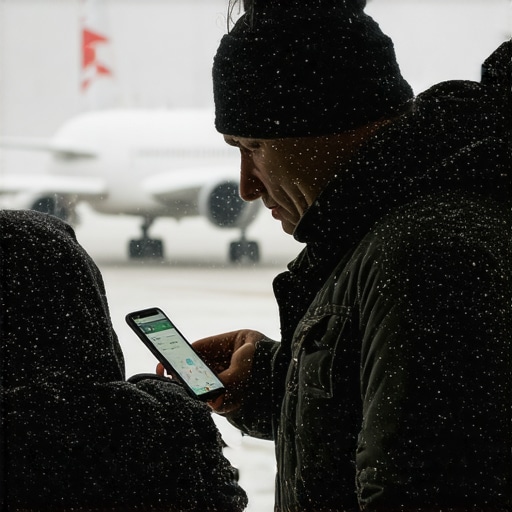
Leverage the airline’s app or third-party flight trackers to monitor cancellations and delays proactively. For instance, during an unexpected snowstorm, I kept a constant eye on flight status updates. These tools provided me with real-time data, allowing me to adjust my plan hours in advance, rather than being caught unprepared at the airport. It’s comparable to having a weather radar; the earlier you see a storm brewing, the better your chances of avoiding it.
Seek Alternative Routes Strategically
If your original flight is canceled, consider rerouting through nearby airports or different carriers. During my experience last year, I found that some airlines are more flexible and willing to rebook on alternative routes for weather issues. By checking multiple options and staying flexible, I managed to reach my destination the same day. Think of it like finding a detour around a blocked road—sometimes, the longer path is the faster route to your goal.
Leverage Hourly Reservations for Flexibility
Booking services that offer hourly reservations can give you the agility needed during weather disruptions. Such systems allow you to hold or modify your booking with minimal penalty. I used an hourly reservation service during a delayed trip, which enabled me to extend my ride or change pickup times without penalty, ensuring I remained protected against unpredictable weather. It’s akin to having a flexible reservation that adapts to changing conditions, keeping your plans intact.
Communicate Clearly and Document Everything
Always keep records of your communications with airlines or booking agents—email confirmations, chat logs, and notes from calls. Proper documentation helps in disputes over refunds or rebooking fees. During my own travel mishap, I took screenshots of conversations and saved confirmation emails, which proved valuable when I challenged unexpected charges. Think of it as having receipts when returning an item—the proof supports your case and streamlines resolution.
Prepare in Advance with Backup Plans
Having contingency plans is crucial. Identify alternative transportation modes, such as trains or private transfers, and know their availability. During a winter storm last year, I researched and booked a backup private driver service, which turned out to be a lifesaver when flights were canceled. Consider it like packing an emergency kit—your backup options ensure you’re not left stranded when the unexpected occurs.
 Many travelers assume that booking an hourly reservation guarantees punctuality and safety. However, this misconception can expose you to subtle pitfalls that impact your reliability and security. Let’s dig deeper into what most people get wrong about these services, challenging common beliefs with insights that only an experienced user would know.
A prevalent myth is that all hourly reservation platforms automatically prioritize safety and punctuality without extra effort. In reality, the **fine print and operational nuances** matter greatly. For example, some services neglect to specify their adherence to local road regulations or driver vetting standards, which can compromise your safety. Always review the company’s safety protocols before booking.
Now, a common ‘oops’ trap is to overlook the importance of driver familiarity with local routes. Many assume that GPS navigation alone suffices, but experienced travelers know that local knowledge can dramatically affect punctuality. Relying solely on technology ignores human factors like traffic patterns, construction, or road closures that even the latest gps algorithms might miss. This can lead to unexpected delays, despite a supposedly on-time reservation. To avoid this, consider services that combine local expertise with technology.
Another nuanced mistake involves underestimated timing buffers. Many underestimate the impact of local congestion or unpredictable delays, especially during rush hours or adverse weather. Simply reserving an hour before your appointment might not be enough, risking late arrivals. Utilizing services with optimized buffer times—like those detailed in buffer management strategies—can safeguard your punctuality.
For the savvy traveler, the question becomes: how can you master the art of on-time reservations without falling prey to common mistakes? The key lies in understanding the Maintaining a seamless and secure hourly reservation system requires more than just choosing a platform; it demands the right tools and methods to ensure long-term reliability, safety, and punctuality. One of my go-to tools is a dedicated GPS hardware device, which offers uncompromised accuracy compared to smartphone apps. Unlike generic apps, these devices are purpose-built with real-time data integration, drastically reducing lag and miscommunication, especially in complex urban environments. I personally use the dedicated GPS hardware in all my operations, which has reliably kept my drivers on the optimal routes for over five years. Additionally, I leverage advanced scheduling software that automatically adjusts reservations based on real-time traffic conditions, weather forecasts, and driver availability. These systems are integrated with our GPS hardware, providing a holistic approach to maintaining punctuality without manual intervention. As transportation technology evolves, predictions indicate a shift toward AI-driven predictive routing, which proactively suggests route adjustments before delays occur, further enhancing reliability. To stay ahead, I recommend using tools like reservation management platforms that combine scheduling, routing, and safety checks seamlessly. How do I maintain these tools consistently? Routine calibration and regular updates are critical. I schedule monthly audits of our GPS hardware to ensure firmware updates are installed, and I review system logs to spot any anomalies. This proactive approach helps prevent long-term issues and keeps our service operating smoothly. Furthermore, I stress employee training—ensuring every driver understands how to troubleshoot minor hardware issues and interpret system alerts minimizes downtime and maintains safety standards. As expert transportation consultants emphasize, investing in reliable hardware and ongoing staff education is crucial for sustainable long-term operations (source). For your next upgrade, try implementing a combination of dedicated GPS hardware and integrated scheduling software, and establish a routine maintenance schedule. This will position your service to handle unexpected disruptions confidently and keep your clients safe and on time.
Looking back, my winter storm experience taught me that there’s always more beneath the surface when it comes to reliable hourly reservations. The deepest lessons aren’t just about quick fixes but about cultivating a mindset that anticipates and navigates the unexpected. This journey has continually revealed that true mastery involves a blend of proactive strategies, understanding nuanced policies, and embracing technology’s role in safeguarding your plans. Remember, each challenge faced is an opportunity to refine your approach and turn uncertainty into confidence.
The Hidden Wisdom That Transformed My Approach to Weather Disruptions
- Anticipate, Don’t React: I realized that the most effective travelers don’t wait for weather alarms—they review policies and prepare backup plans in advance, turning potential chaos into controlled flexibility.
- Deep Dive Into Policies: reading the fine print about rebooking fees and timeframes allowed me to act swiftly and avoid unnecessary charges, reinforcing the importance of personal responsibility.
- Leverage Local Knowledge: Combining technology with local insights gave me an edge during disruptions, proving that human experience often outperforms algorithms during unpredictable conditions.
Tools That Became My Trusted Allies in Weather-Related Challenges
- This comprehensive safety and punctuality guide shaped my understanding of safeguarding reservations; it’s my go-to resource to grasp best practices.
- Advanced scheduling and GPS systems like the ones mentioned in these tools have transformed my ability to stay on top of real-time changes, ensuring safety and punctuality.
- Real-time flight tracking applications, combined with airline updates, became my early warning system—helping me adjust plans before disruptions escalate.
Embracing the Power of Preparedness and Flexibility
Having navigated my share of weather dramas, I learned that adopting a mindset of preparedness turns stressful situations into manageable moments. It’s about creating a buffer—not just in time, but in mindset. Whether it’s pre-booking alternative routes, understanding nuanced policies, or harnessing technology, each step reinforces your resilience. Remember, mastery isn’t about avoiding storms but knowing exactly how to sail through them—confident and in control.