I’ll never forget the night I nearly ruined my wedding anniversary. I had everything planned perfectly—or so I thought. We had a table at the best steakhouse in the city, but I decided to “wing it” with transportation. I figured, “Hey, it’s a Friday night, I’ll just tap a button on my phone and a car will be there.” I was dead wrong. We stood on a freezing street corner for forty minutes as three different drivers canceled on us, watching our reservation time slip away. It was a classic case of why one-way bookings often lead to unnecessary stress for travelers. That cold realization—that I had traded my peace of mind for a few bucks—changed how I view travel forever. Today, I am going to show you why having a car wait for you is the ultimate luxury that is actually a practical necessity.
Stop Chasing Apps and Start Owning Your Night
When you book a car for the entire evening, you aren’t just paying for a seat; you’re buying a guarantee. I used to make the mistake of thinking I was being frugal by booking individual rides. In reality, I was just gambling with my schedule. By switching to an hourly model, I discovered how hourly transportation eliminates the stress of finding parking and ensures that your driver is already there when the dessert bill arrives. According to data from the National Safety Council, the risk of a fatal crash is three times higher at night, which underscores the importance of having a vetted, professional driver rather than a random gig worker. Have you ever found yourself stranded after a concert or a gala, watching the “searching for drivers” icon spin endlessly while the crowd thins out? It’s a helpless feeling, isn’t it?
Is paying for an idle car actually worth the extra money?
I get it. The idea of a car sitting outside while you’re inside enjoying a show feels like a waste of money. I felt the same way until I crunched the numbers on my own sanity and safety. When you realize how an hourly rate protects you from unforeseen traffic jams and sudden price surges, the math starts to lean in your favor. Plus, the reason why hourly chauffeurs are safer for late night solo travelers becomes obvious the moment you don’t have to wait on a dark curb at 1 AM. My biggest mistake early on was prioritizing the base fare over the total experience, but once you feel that relief of seeing your driver exactly where you left them, there is no going back. We are going to dive into the specifics of how to set this up so you never have to worry about a ride again.
Turn Your Logistics Into a Competitive Advantage
The secret to a flawless evening isn’t just booking a car; it’s knowing how to manage that asset once it arrives. Think of your hourly driver as a specialized tool—it only works as well as you use it. I remember a trip to Chicago where I was so focused on making my meeting that I barely glanced at the car. Ten minutes into the ride, a rhythmic chirping sound started coming from the wheels. It was the brake pad squeal you should never ignore before a long trip, and it turned a professional ride into a stressful distraction. Now, I never set foot in a vehicle without a five-second exterior walk-around. You aren’t being difficult; you are being diligent. Before you even open the door, look for the protocol for verifying your chauffeurs permit to ensure everything is legal and up to code. If the car looks neglected, the service likely is too.
Audit the Vehicle Before You Sit Down
Once you’ve confirmed the driver is who they say they are, perform a quick internal audit. I always check the rear floor mats and the seat pockets. It sounds picky, but the floor mat check is a simple way to judge driver professionalism that hasn’t failed me yet. A clean car usually means a driver who takes pride in their safety standards. 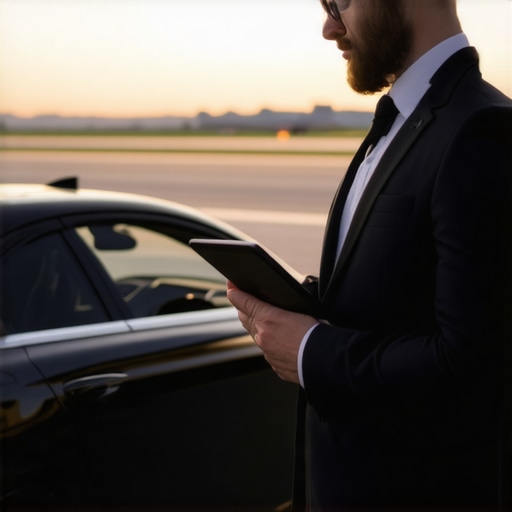 While you’re settling in, ask the driver about their preferred route. Even with modern technology, the specific way local knowledge beats GPS algorithm timing is undeniable, especially during rush hour or city construction.
Beat the Clock with the Buffer Time Formula
The biggest mistake travelers make is cutting their schedule too thin. I use a specific mental math I call the 12-minute rule. Whether I’m heading to a gala or a flight, the buffer time formula for city travel that actually works involves adding twelve minutes to every hour of estimated travel time. This accounts for the ‘curb-to-door’ lag that GPS simply cannot predict. It’s the difference between walking into your event with a smile and sprinting through the lobby sweating. During the drive, don’t be afraid to keep an eye on the speedometer; knowing how to ensure your hourly driver stays within safe speed limits is your right as a passenger paying for premium service.
Shift Gears Without the Mid-Trip Fee Hike
Plans change. Maybe the dinner ran long, or you decided to hit a late-night lounge. The beauty of an hourly booking is flexibility, but you have to communicate. I’ve learned the hard way that a sudden change of direction can confuse a driver if not handled correctly. Learn how to handle a route change mid-trip without confusion by speaking clearly and confirming the new destination on their navigation screen. This prevents the dreaded ‘wrong turn’ that adds twenty minutes to your tab and ensures your safety remains the top priority while the driver adapts to your new itinerary.
The Dangerous Myth of the Digital Confirmation
Most travelers believe a “confirmed” status on an app is the gold standard of reliability. It isn’t. In the professional chauffeuring world, there is a massive difference between a reservation and a confirmed booking. A reservation is often just a request sitting in a queue, while a confirmed booking means a specific vehicle and driver have been legally dispatched to your itinerary. I always tell my clients to go a step further: why you must demand a physical copy of your trip reservation—or at least a PDF with a dispatch ID. Digital systems can glitch, but a hard confirmation is your legal leverage if things go sideways.
Why does your pickup location actually change your punctuality?
It’s a nuance that even seasoned travelers miss. We assume that if we are in the city center, a car is always “five minutes away.” However, the real reason your pickup location affects your punctuality often involves local traffic patterns and “deadhead” logistics that consumer-grade GPS simply cannot compute. A study by the American Automobile Association (AAA) on driver distraction and automation highlights that over-reliance on basic navigation tools leads to “cognitive tunneling,” where drivers miss the environmental cues that a local pro would catch instantly. This is precisely why on-demand apps often struggle with prompt airport pickups; they lack the human dispatch oversight necessary to navigate terminal-specific delays. Professionals prioritize ensuring safety first: your guide to on-time reservations at any hour by mapping routes that avoid these algorithm-driven traps.
Stop Trusting the Flickering Blue Dot
The biggest “oops” factor in modern travel is what I call “Blue Dot Syndrome.” We stare at our phones, assuming that little icon is an accurate representation of reality. In truth, why refreshing your tracking app might give you false arrival times is due to data latency and signal bouncing in urban canyons. If you are betting a multi-million dollar meeting or a flight on a flickering dot, you are gambling. 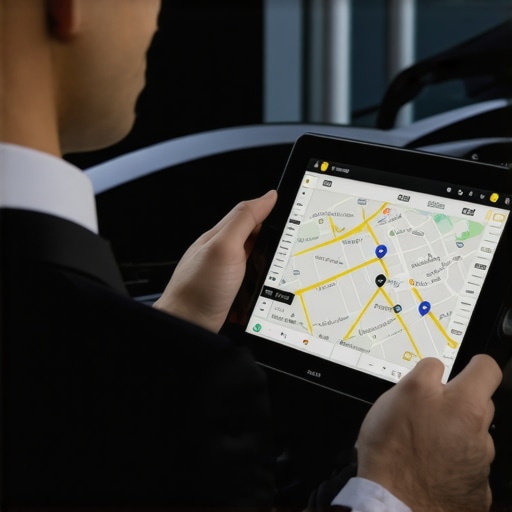 This is why real-time vehicle data is more accurate than estimated times when it comes from a dedicated dispatch system. Beyond the tech, you must consider the human element. For late-night travel, how to ensure your driver is not fatigued during a late-night trip is a safety priority that most people ignore until it’s too late. High-end services use why driver speed alerts are the backbone of passenger safety to ensure their staff isn’t rushing to make up for poor scheduling. Have you ever fallen into this trap where the app said “2 minutes away” for twenty minutes? Let me know in the comments.
Ditch the Smartphone for Real-Time Precision
If you want to know exactly where your car is, you have to stop relying on consumer-grade apps. I personally stopped trusting standard phone GPS years ago because of the ‘jitter’ caused by cellular towers. Instead, I look for services that explain why we use dedicated GPS hardware instead of smartphone apps. Dedicated hardware taps directly into the vehicle’s OBD-II port, providing a refresh rate that a phone simply cannot match. This technical edge is why real-time vehicle data is more accurate than estimated times found on your standard rideshare map. When a driver is navigating a complex downtown core, that five-second delay in a phone’s signal can mean the difference between making a green light and getting stuck behind a delivery truck for ten minutes. Professional dispatchers use these tools to monitor every turn, ensuring that the on-time every time: strategies for safe and reliable hourly bookings actually hold up in the real world.
The Pavement Never Lies About Your Safety
Before I even load my bags, I perform what I call the ‘ground truth’ audit. I’ve learned that a car’s exterior appearance can be deceiving, but its mechanical health is written on the ground. I always perform the pavement test every passenger should use before boarding. I look for fresh puddles of oil or coolant under the engine bay. It takes three seconds and can save you from a breakdown on the highway. While you’re at it, perform the windshield wiper test: a quick way to check fleet maintenance. If the rubber is cracked or the blades are streaky, it’s a massive red flag that the company is cutting corners on safety. High-end providers who follow ISO 39001 standards for Road Traffic Safety Management systems know that these small details prevent catastrophic failures. 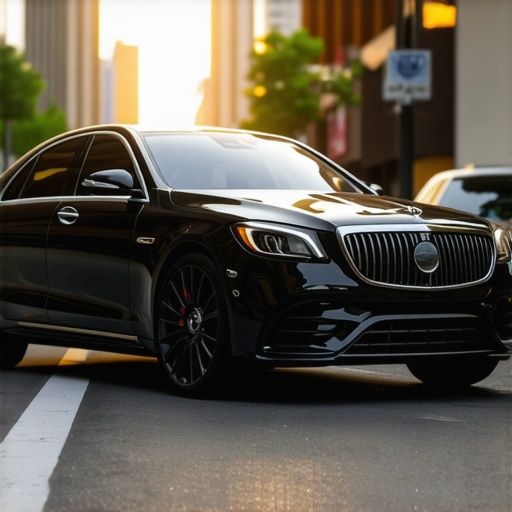
How do I maintain professional standards over a long trip?
Maintenance isn’t just about the car; it’s about the logistics of the journey itself. On longer hourly bookings, I always verify why real-time fuel monitoring prevents unexpected roadside stops. There is nothing more unprofessional than a driver needing to pull over for gas while you are on your way to a gala. I also check the driver’s logs to understand how to ensure your driver is not fatigued during a late-night trip. If they’ve been on the road for twelve hours already, your safety is at risk. Beyond the physical, think about your digital footprint. I always ask about the security protocols our booking software uses to protect you, because your itinerary and location are sensitive data. In the near future, I predict we will see telematics move toward sub-meter accuracy, making the ‘where is my driver?’ question obsolete, but for now, you must rely on these manual checks. I encourage you to try the ‘pavement test’ on your very next booking; it’s the quickest way to separate the amateurs from the pros. You deserve the peace of mind that comes from reservation security measures: how to book safely and arrive on time without the guesswork.
Why I Stopped Trusting the Clock and Started Testing the Pavement
After years on the road, I have realized that the most dangerous part of travel is assuming everything will work exactly as planned. I used to trust every confirmation email at face value, but now I know that the 3-am pickup blueprint for ensuring your driver is awake and ready is the only way to handle those high-stakes, early-morning airport runs. It is not about being paranoid; it is about being prepared. I have also learned that if a driver hasn’t planned for a simple fuel stop, your entire timeline is at risk. Knowing why real-time fuel monitoring prevents unexpected roadside stops is a conversation every passenger should have before the wheels start turning. If the service does not prioritize these small logistical details, they simply are not prioritizing you.
My Personal Toolkit for Bulletproof Logistics
To keep my travels stress-free, I rely on a few specific resources and habits that have saved me countless headaches. First, I always keep a mental checklist of on-time every time: strategies for safe and reliable hourly bookings to remind me of the specific protocols I need to follow before boarding. Secondly, I never ignore the small mechanical signs of neglect. I have found that the windshield wiper test is a quick way to check fleet maintenance—if a company cannot bother to replace a five-dollar blade, they likely haven’t checked the critical components like brakes or tires either. These tools have turned my travel from a series of gambles into a repeatable, high-quality experience. #IMAGE_PLACEHOLDER_E#
Your Path to a Stress-Free Evening Starts Here
At the end of the day, luxury is not just about leather seats; it is about the mental space you gain when you are not staring at a tracking app with anxiety. By choosing a professional service, you are ensuring safety first with your guide to on-time reservations at any hour. You deserve to walk out of that restaurant, meeting, or terminal knowing your ride is ready and waiting exactly where you left it. Don’t let your next important night be ruined by a spinning icon on your phone. Reclaim your time, prioritize your safety, and travel with the confidence of a pro. Have you ever missed a major event or reservation because a ride-sharing app let you down at the last minute? Let me know in the comments below!