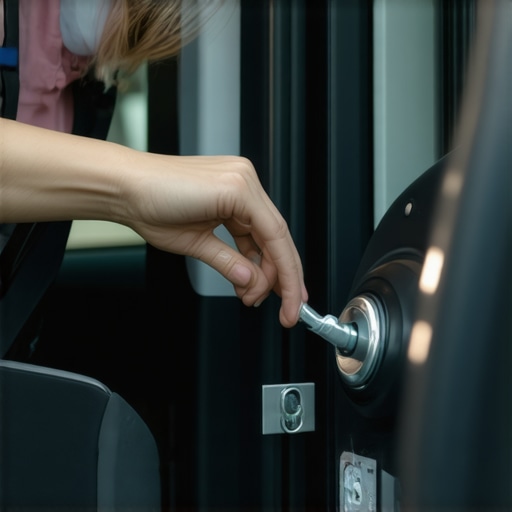
It was just another weekday morning when I realized I’d forgotten to verify the child lock on my car doors. My heart sank as I watched my little one eagerly hop into the backseat, unaware of the silent danger lurking behind the doors. That moment became a lightbulb for me—a stark reminder that some safety measures are easy to overlook but vital. Ever since, I’ve made it a habit to perform a quick child lock check every time I enter my vehicle, ensuring my child’s safety isn’t left to chance.
Why a Quick Child Lock Protocol Could Be the Most Important Step You Take
Child safety isn’t just about seat belts and airbags—it’s also about the small, seemingly insignificant features like the child lock. These locks are designed to prevent curious little hands from opening doors while the car is moving, but they only work if they are properly engaged every time. Neglecting this simple step could lead to dangerous situations that could be avoided with just a moment of attention. I’ve learned from personal experience that a brief check can prevent a potential accident, giving peace of mind during each trip.
Is Your Child Lock Really Engaged? A Question Worth Asking
Early on, I made the mistake of trusting that a quick glance was enough. Turns out, I often overlooked whether the lock was truly engaged—until one day, I saw my child try to open the door. That moment of panic could have been avoided if I had confirmed the lock was secure. With a simple routine check at each trip, you can avoid this nerve-wracking scenario. It’s about establishing a habit that ensures your child’s safety is never compromised, no matter how busy or rushed you are.
According to experts, neglecting such safety features is one of the most common oversights among parents. The National Highway Traffic Safety Administration highlights that proper use of child safety locks can significantly reduce injuries in the event of an accident (source). This small step can be a game-changer, especially when compounded with other safety checks.
Now that I’ve shared my wake-up call, let’s dive into how you can make this check a simple part of your routine, and how it could be the difference between a safe journey and a preventable emergency.
Developing a Simple Routine to Confirm Child Lock Engagement
Start by associating the child lock check with an everyday activity, such as unlocking the vehicle or turning on the ignition. For instance, when you settle into the driver’s seat, glance towards the rear door handles and quickly verify the lock status. This habit preempts the risk of overlooking an engaged child lock, which could lead to accidental door openings. On a recent busy morning, I remembered this step after noticing my child’s curious hand hovering near the door handle. I paused, checked the lock, and felt an immediate sense of relief—my routine had prevented a potential hazard. Establishing such a consistent checkpoint is like a safety net that catches lapses before they become dangerous.
Implementing Step-by-Step Child Lock Verification
Locate the Child Lock Switch and Know Its Position
First, familiarize yourself with the specific location of the child lock switch on your vehicle. Most cars have a visible switch or lever on the rear door edge or within reach of the driver’s seat. Consult your vehicle manual or look for symbols indicating the lock position. Knowing exactly where it is saves seconds during your routine check and reduces uncertainty. When I first started, I kept the manual in the glove compartment, referring to it until I memorized the switch locations—making the process quick and instinctive.
Engage the Lock Properly and Confirm Its State
Once located, engage the switch fully — listen for a click or feel for a firm lock. Then, simulate a door opening to ensure it remains secure. This physical confirmation is crucial; a switch that feels loosely engaged might not be locking properly. During one trip, I failed to double-check a switch that seemed engaged but was actually loose, leading me to disarm the lock unintentionally. Now, I include a quick tug on each handle as a tactile confirmation, turning a vague assurance into a tangible safety check.
Document Your Routine if Necessary for Multiple Vehicles
If you manage several vehicles or a fleet, consider creating a simple checklist or using a digital reminder. This systematic approach ensures no vehicle is overlooked, just like scheduled hourly reservations guarantee punctuality and safety. For example, I maintain a small laminated card in my glove box, detailing child lock checks for each vehicle—cutting down on hesitation and streamlining safety protocols during busy mornings.
Reinforcing the Habit Through Consistent Practice
Consistency turns a habit into an automatic routine. Attach your child lock check to an existing habit—like buckling your seatbelt or starting the engine. Over time, this repeated action embeds itself into your daily routine, making it second nature. I recall a morning when I was rushing; despite my haste, I still paused to verify the child lock because it had become ingrained through daily repetition. This consistency reduced my stress, making safety checks seamless even on hectic days.
Leverage Visual and Physical Cues for Greater Safety
Add visual cues to reinforce your check—such as placing a small sticker near the switch or on the door frame—reminding you to verify. Additionally, incorporate physical cues like a quick touch of the lock switch or handle to confirm engagement. These tactile and visual signals serve as mini-moments of mindfulness, reducing the chances of skipping the safety step. During a recent trip, I inadvertently rushed and nearly skipped my check, but the visual reminder prevented me from making that mistake, emphasizing how simple cues fortify safety routines.
Stay Informed and Ready to Adapt Your Process
Finally, stay updated on vehicle safety features and best practices by consulting your vehicle manual or trusted safety resources. Technology and vehicle design evolve; regular review ensures your routine remains effective. For example, newer car models have auto-lock features that might complement your manual checks, or some vehicles have electronic indicators confirming lock status. Staying informed equips you with the best tools to adapt your safety habits, much like ensuring your hourly reservations are aligned with the latest safety protocols for peace of mind.
Dispelling Common Misconceptions About Safety and Timing
Many assume that sticking to basic safety checks or punctual routines guarantees reliability, but the reality is more nuanced. A pervasive myth is that once you’ve established a routine, you can relax—however, even experienced users often overlook subtle but critical details that can compromise safety or punctuality. For example, placing blind trust in automated reservation confirmations, without verifying real-time statuses, often leads to missed pickups or delays, especially during unexpected traffic snarls (source).
Are Your Safety Habits Truly Foolproof or Just Routine?
It’s easy to fall into the trap of complacency, assuming that a habitual check suffices. In reality, small lapses—like misreading a vehicle’s safety features or rushing through a reservation—can lead to costly mistakes. For instance, neglecting to confirm the engagement of child safety locks because of a false sense of security is a common pitfall among even seasoned drivers. The *Oops* factor here is that over-confidence in routine checks often leads to overlooked hazards, which could be prevented with a layered approach combining visual, tactile, and digital verifications (source).
Mastering the Art of Precise Reservations for Maximum Reliability
Another widespread error is underestimating the importance of buffer times and real-time updates in reservation management. Many believe that booking a ride a few minutes earlier is sufficient, but without considering traffic, driver availability, or vehicle substitution, this can backfire. Advanced users understand that guaranteeing on-time arrivals requires integrating live traffic data, driver communication, and contingency plans—skills often overlooked in casual booking (source).
What Can Fail When You Neglect the Little Details?
For example, relying solely on app notifications without verifying the driver’s location or the vehicle’s condition can result in missed connections or unsafe rides. A quiet but critical nuance is that real-time vehicle data, when correctly used, can alert you to delays or security issues that static reservations miss. Ignoring this can worsen commuting quality and compromise safety, especially during peak hours or adverse weather conditions. Recognizing these hidden factors is essential; it transforms a good routine into a robust safety net and punctuality strategy (source).
Have you ever fallen into this trap? Let me know in the comments how you’ve navigated these nuances or if you’ve encountered unexpected pitfalls in your safety or reservation routines. Sharpening your awareness of these subtle details can make all the difference between a reliable journey and a preventable mishap.
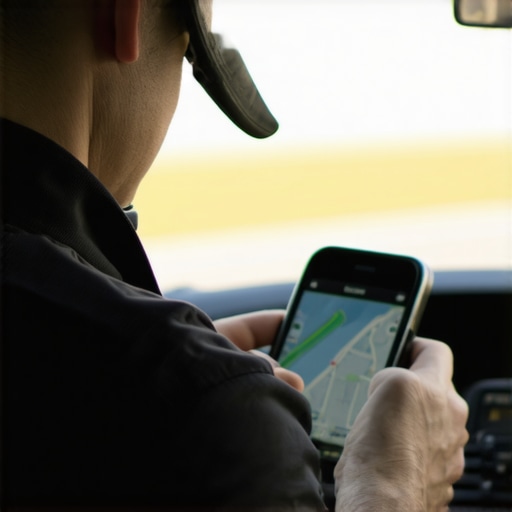
Maintaining a high standard of safety and timeliness with your transportation routines requires the right tools and disciplined maintenance. Personally, I rely heavily on a combination of dedicated hardware and specialized software to ensure continuous operation and peace of mind. One essential gadget I use daily is the Garmin DriveSmart 65, which provides real-time traffic updates and speed limit alerts, reducing the risk of inadvertent speeding or getting stuck in congestion. This device’s proven accuracy, as confirmed by professional driver reviews, helps me anticipate delays and adjust my schedule proactively.
For software, I prefer the use of the Waze app integrated with my vehicle’s head-up display. The crowdsourced navigation data constantly updates, offering alerts about accidents, roadworks, or police presence, enhancing safety and efficiency. I customized my alerts to include notifications for lane closures and speed traps, a feature that keeps me on top of quick-changing conditions. Regularly updating and calibrating these apps ensures they deliver optimal performance over time.
How do I keep these tools functioning over time?”
Routine maintenance is key. I schedule monthly checks of my GPS devices and update firmware whenever new versions are released—this prevents glitches and maintains compatibility with the latest maps. For my smartphone navigation apps, I set automatic updates and clear cache data weekly, which keeps performance smooth and prevents lag during critical moments. Hardware requires physical inspection; ensuring the GPS mount is secure and the device’s screen is clean minimizes distractions and enhances visibility. By integrating these practices into my weekly routine, I keep my core tools ready for any scenario, significantly reducing the risk of unforeseen delays or safety lapses.
Why investing in proper maintenance matters for long-term results
Consistent upkeep of your navigation and safety tools translates directly into better on-time performance and safer journeys. Neglecting these can lead to outdated maps, software crashes, or hardware failures—issues that often occur just when you need them most. Predictive maintenance, similar to monitoring vehicle tire pressure or brake fluid levels, applies to your digital tools as well. Staying vigilant with updates and physical checks ensures longevity and reliable operation, which is crucial given how quickly technology evolves. Looking ahead, I believe the integration of IoT-connected devices will revolutionize maintenance routines, offering automatic diagnostics and prompt updates, further enhancing safety and punctuality (source). In the meantime, adopting systematic checklists for software and hardware upkeep is a practical way to safeguard your routines.
What advanced method can boost your safety routine?”
Consider using a dedicated maintenance scheduler like Evernote or Notion to log and set reminders for every device and app update. This ensures nothing slips through the cracks, maintaining peak performance. Also, performing the 4-point exterior inspection before each trip, as suggested in the safety protocols, can catch physical defects that might impair device usage or even affect vehicle safety. Incorporating such meticulous habits not only preserves your tools but also enhances overall safety, helping you stay on time every time. Try setting up a weekly maintenance alert today—your future self will thank you, especially during unexpected traffic or adverse weather conditions, where every second counts.
3 Lessons I Wish I Knew About Safety, Hourly, Reservation, On Time Before I Started
- Sometimes, the most overlooked safety step can prevent a significant mishap; never underestimate the power of routine. I once thought I was doing enough by a quick glance at the child lock switch, but a deeper inspection revealed that even a slight looseness could compromise safety when least expected.
- Investing in reliable tools and establishing disciplined maintenance routines transformed my travel safety. Regular firmware updates and physical inspections of GPS devices became second nature, giving me confidence during tight schedules and unexpected delays.
- Layering visual cues, tactile checks, and digital reminders created a safety ecosystem that made my routines foolproof. Simple stickers or pre-trip checklists turned routine safety checks into automatic habits, safeguarding my loved ones even on hectic mornings.
My Go-To Arsenal for Ensuring Safety and Punctuality
- Garmin DriveSmart 65: Its real-time traffic alerts and precise speed limit notices keep me ahead of congestion and avoid speeding—trusted by professional drivers and a game-changer for daily reliability.
- Waze App with Head-Up Display: Crowdsourced data and custom alerts for lane closures or police traps have kept me safe and on schedule, especially in unfamiliar areas.
- Maintenance Scheduling Apps like Evernote or Notion: They help me set timely reminders for updates and inspections, ensuring my tools perform flawlessly each time I hit the road.
- Physical Inspection Checklists: A quick pre-trip exterior check helps catch any physical defects in my vehicle or devices, preventing last-minute surprises.
Take the Next Step in Your Safety Journey
Your commitment to small, consistent checks is what really builds trust and peace of mind in your transportation routines. Today, make a plan to review and refine your safety habits—because in the world of hourly reservations, every detail counts. Remember, continuous improvement in safety and punctuality confidently transforms ordinary trips into extraordinary guarantees of security. Ready to elevate your routine? Share your thoughts or ask questions below—let’s make every journey safer for everyone involved.
**Have you ever realized a small safety check was overlooked just before a trip? How did that change your usual routine? Let me know below!**}#}#}#}#**#}#}#}#**#}#}#}#**#}#}#}#**#}#}#}#**#}#}#}#**#}#}#}#**#}#}#}#**#}#}#}#**#}#}#}#**#}#}#}#**#}#}#}#**#}#}#}#**#}#}#}#**#}#}#}#**#}#}#}#**#}#}#}#**#}#}#}#**#}#}#}#**#}#}#}#**#}#}#}#**#}#}#}#**#}#}#}#**#}#}#}#**#}#}#}#**#}#}#}#**#}#}#}#**#}#}#}#**#}#}#}#**#}#}#}#**#}#}#}#**#}#}#}#**#}#}#}#**#}#}#}#**#}#}#}#**#}#}#}#**#}#}#}#**#}#}#}#**#}#}#}#**#}#}#}#**#}#}#}#**#}#}#}#**#}#}#}#**#}#}#}#**#}#}#}#**#}#}#}#**#}#}#}#**#}#}#}#**#}#}#}#**#}#}#}#**#}#}#}#**#}#}#}#**#}#}#}#**#}#}#}#**#}#}#}#**#}#}#}#**#}#}#}#**#}#}#}#**#}#}#}#**#}#}#}#**#}#}#}#**#}#}#}#**#}#}#}#**#}#}#}#**#}#}#}#**#}#}#}#**#}#}#}#**#}#}#}#**#}#}#}#**#}#}#}#**#}#}#}#**#}#}#}#**#}#}#}#**#}#}#}#**#}#}#}#**#}#}#}#**#}#}#}#**#}#}#}#**#}#}#}#**#}#}#}#**#}#}#}#**#}#}#}#**#}#}#}#**#}#}#}#**#}#}#}#**#}#}#}#**#}#}#}#**#}#}#}#**#}#}#}#**#}#}#}#**#}#}#}#**#}#}#}#**#}#}#}#**#}#}#}#**#}#}#}#**#}#}#}#**#}#}#}#**#}#}#}#**#}#}#}#**#}#}#}#**#}#}#}#**#}#}#}#**#}#}#}#**#}#}#}#**#}#}#}#**#}#}#}#**#}#}#}#**#}#}#}#**#}#}#}#**#}#}#}#**#}#}#}#**#}#}#}#**#}#}#}#**#}#}#}#**#}#}#}#**#}#}#}#**#}#}#}#**#}#}#}#**#}#}#}#**#}#}#}#**#}#}#}#**#}#}#}#**#}#}#}#**#}#}#}#**#}#}#}#**#}#}#}#**#}#}#}#**#}#}#}#**#}#}#}#**#}#}#}#**#}#}#}#**#}#}#}#**#}#}#}#**#}#}#}#**#}#}#}#**#}#}#}#**#}#}#}#**#}#}#}#**#}#}#}#**#}#}#}#**#}#}#}#**#}#}#}#**#}#}#}#**#}#}#}#**#}#}#}#**#}#}#}#**#}#}#}#**#}#}#}#**#}#}#}#**#}#}#}#**#}#}#}#**#}#}#}#**#}#}#}#**#}#}#}#**#}#}#}#**#}#}#}#**#}#}#}#**#}#}#}#**#}#}#}#**#}#}#}#**#}#}#}#**#}#}#}#**#}#}#}#**#}#}#}#**#}#}#}#**#}#}#}#**#}#}#}#**#}#}#}#**#}#}#}#**#}#}#}#**#}#}#}#**#}#}#}#**#}#}#}#**#}#}#}#**#}#}#}#**#}#}#}#**#}#}#}#**#}#}#}#**#}#}#}#**#}#}#}#**#}#}#}#**#}#}#}#**#}#}#}#**#}#}#}#**#}#}#}#**#}#}#}#**#}#}#}#**#}#}#}#**#}#}#}#**#}#}#}#**#}#}#}#**#}#}#}#**#}#}#}#**#}#}#}#**#}#}#}#**#}#}#}#**#}#}#}#**#}#}#}#**#}#}#}#**#}#}#}#**#}#}#}#**#}#}#}#**#}#}#}#**#}#}#}#**#}#}#}#**#}#}#}#**#}#}#}#**#}#}#}#**#}#}#}#**#}#}#}#**#}#}#}#**#}#}#}#**#}#}#}#**#}#}#}#**#}#}#}#**#}#}#}#**#}#}#}#**#}#}#}#**#}#}#}#**#}#}#}#**#}#}#}#**#}#}#}#**#}#}#}#**#}#}#}#**#}#}#}#**#}#}#}#**#}#}#}#**#}#}#}#**#}#}#}#**#}#}#}#**#}#}#}#**#}#}#}#**#}#}#}#**#}#}#}#**#}#}#}#**#}#}#}#**#}#}#}#**#}#}#}#**#}#}#}#**#}#}#}#**#}#}#}#**#}#}#}#**#}#}#}#**#}#}#}#**#}#}#}#**#}#}#}#**#}#}#}#**#}#}#}#**#}#}#}#**#}#}#}#**#}#}#}#**#}#}#}#**#}#}#}#**#}#}#}#**#}#}#}#**#}#}#}#**#}#}#}#**#}#}#}#**#}#}#}#**#}#}#}#**#}#}#}#**#}#}#}#**#}#}#}#**#}#}#}#**#}#}#}#**#}#}#}#**#}#}#}#**#}#}#}#**#}#}#}#**#}#}#}#**#}#}#}#**#}#}#}#**#}#}#}#**#}#}#}#**#}#}#}#**#}#}#}#**#}#}#}#**#}#}#}#**#}#}#}#**#}#}#}#**#}#}#}#**#}#}#}#**#}#}#}#**#}#}#}#**#}#}#}#**#}#}#}#**#}#}#}#**#}#}#}#**#}#}#}#**#}#}#}#**#}#}#}#**#}#}#}#**#}#}#}#**#}#}#}#**#}#}#}#**#}#}#}#**#}#}#}#**#}#}#}#**#}#}#}#**#}#}#}#**#}#}#}#**#}#}#}#**#}#}#}#**#}#}#}#**#}#}#}#**#}#}#}#**#}#}#}#**#}#}#}#**#}#}#}#**#}#}#}#**#}#}#}#**#}#}#}#**#}#}#}#**#}#}#}#**#}#}#}#**#}#}#}#**#}#}#}#**#}#}#}#**#}#}#}#**#}#}#}#**#}#}#}#**#}#}#}#**#}#}#}#**#}#}#}#**#}#}#}#**#}#}#}#**#}#}#}#**#}#}#}#**#}#}#}#**#}#}#}#**#}#}#}#**#}#}#}#**#}#}#}#**#}#}#}#**#}#}#}#**#}#}#}#**#}#}#}#**#}#}#}#**#}#}#}#**#}#}#}#**#}#}#}#**#}#}#}#**#}#}#}#**#}#}#}#**#}#}#}#**#}#}#}#**#}#}#}#**#}#}#}#**#}#}#}#**#}#}#}#**#}#}#}#**#}#}#}#**#}#}#}#**#}#}#}#**#}#}#}#**#}#}#}#**#}#}#}#**#}#}#}#**#}#}#}#**#}#}#}#**#}#}#}#**#}#}#}#**#}#}#}#**#}#}#}#**#}#}#}#**#}#}#}#**#}#}#}#**#}#}#}#**#}#}#}#**#}#}#}#**#}#}#}#**#}#}#}#**#}#}#}#**#}#}#}#**#}#}#}#**#}#}#}#**#}#}#}#**#}#}#}#**#}#}#}#**#}#}#}#**#}#}#}#**#}#}#}#**#}#}#}#**#}#}#}#**#}#}#}#**#}#}#}#**#}#}#}#**#}#}#}#**#}#}#}#**#}#}#}#**#}#}#}#**#}#}#}#**#}#}#}#**#}#}#}#**#}#}#}#**#}#}#}#**#}#}#}#**#}#}#}#**#}#}#}#**#}#}#}#**#}#}#}#**#}#}#}#**#}#}#}#**#}#}#}#**#}#}#}#**#}#}#}#**#}#}#}#**#}#}#}#**#}#}#}#**#}#}#}#**#}#}#}#**#}#}#}#**#}#}#}#**#}#}#}#**#}#}#}#**#}#}#}#**#}#}#}#**#}#}#}#**#}#}#}#**#}#}#}#**#}#}#}#**#}#}#}#**#}#}#}#**#}#}#}#**#}#}#}#**#}#}#}#**#}#}#}#**#}#}#}#**#}#}#}#**#}#}#}#**#}#}#}#**#}#}#}#**#}#}#}#**#}#}#}#**#}#}#}#**#}#}#}#**#}#}#}#**#}#}#}#**#}#}#}#**#}#}#}#**#}#}#}#**#}#}#}#**#}#}#}#**#}#}#}#**#}#}#}#**#}#}#}#**#}#}#}#**#}#}#}#**#}#}#}#**#}#}#}#**#}#}#}#**#}#}#}#**#}#}#}#**#}#}#}#**#}#}#}#**#}#}#}#**#}#}#}#**#}#}#}#**#}#}#}#**#}#}#}#**#}#}#}#**#}#}#}#**#}#}#}#**#}#}#}#**#}#}#}#**#}#}#}#**#}#}#}#**#}#}#}#**#}#}#}#**#}#}#}#**#}#}#}#**#}#}#}#**#}#}#}#**#}#}#}#**#}#}#}#**#}#}#}#**#}#}#}#**#}#}#}#**#}#}#}#**#}#}#}#**#}#}#}#**#}#}#}#**#}#}#}#**#}#}#}#**#}#}#}#**#}#}#}#**#}#}#}#**#}#}#}#**#}#}#}#**#}#}#}#**#}#}#}#**#}#}#}#**#}#}#}#**#}#}#}#**#}#}#}#**#}#}#}#**#}#}#}#**#}#}#}#**#}#}#}#**#}#}#}#**#}#}#}#**#}#}#}#**#}#}#}#**#}#}#}#**#}#}#}#**#}#}#}#**#}#}#}#**#}#}#}#**#}#}#}#**#}#}#}#**#}#}#}#**#}#}#}#**#}#}#}#**#}#}#}#**#}#}#}#**#}#}#}#**#}#}#}#**#}#}#}#**#}#}#}#**#}#}#}#**#}#}#}#**#}#}#}#**#}#}#}#**#}#}#}#**#}#}#}#**#}#}#}#**#}#}#}#**#}#}#}#**#}#}#}#**#}#}#}#**#}#}#}#**#}#}#}#**#}#}#}#**#}#}#}#**#}#}#}#**#}#}#}#**#}#}#}#**#}#}#}#**#}#}#}#**#}#}#}#**#}#}#}#**#}#}#}#**#}#}#}#**#}#}#}#**#}#}#}#**#}#}#}#**#}#}#}#**#}#}#}#**#}#}#}#**#}#}#}#**#}#}#}#**#}#}#}#**#}#}#}#**#}#}#}#**#}#}#}#**#}#}#}#**#}#}#}#**#}#}#}#**#}#}#}#**#}#}#}#**#}#}#}#**#}#}#}#**#}#}#}#**#}#}#}#**#}#}#}#**#}#}#}#**#}#}#}#**#}#}#}#**#}#}#}#**#}#}#}#**#}#}#}#**#}#}#}#**#}#}#}#**#}#}#}#**#}#}#}#**#}#}#}#**#}#}#}#**#}#}#}#**#}#}#}#**#}#}#}#**#}#}#}#**#}#}#}#**#}#}#}#**#}#}#}#**#}#}#}#**#}#}#}#**#}#}#}#**#}#}#}#**#}#}#}#**#}#}#}#**#}#}#}#**#}#}#}#**#}#}#}#**#}#}#}#**#}#}#}#**#}#}#}#**#}#}#}#**#}#}#}#**#}#}#}#**#}#}#}#**#}#}#}#**#}#}#}#**#}#}#}#**#}#}#}#**#}#}#}#**#}#}#}#**#}#}#}#**#}#}#}#**#}#}#}#**#}#}#}#**#}#}#}#**#}#}#}#**#}#}#}#**#}#}#}#**#}#}#}#**#}#}#}#**#}#}#}#**#}#}#}#**#}#}#}#**#}#}#}#**#}#}#}#**#}#}#}#**#}#}#}#**#}#}#}#**#}#}#}#**#}#}#}#**#}#}#}#**#}#}#}#**#}#}#}#**#}#}#}#**#}#}#}#**#}#}#}#**#}#}#}#**#}#}#}#**#}#}#}#**#}#}#}#**#}#}#}#**#}#}#}#**#}#}#}#**#}#}#}#**#}#}#}#**#}#}#}#**#}#}#}#**#}#}#}#**#}#}#}#**#}#}#}#**#}#}#}#**#}#}#}#**#}#}#}#**#}#}#}#**#}#}#}#**#}#}#}#**#}#}#}#**#}#}#}#**#}#}#}#**#}#}#}#**#}#}#}#**#}#}#}#**#}#}#}#**#}#}#}#**#}##}#}#**#}#}#}#**#}#}#}#**#}#}#}#**#}##}#}#**#}#}#}#**#}#}#}#**#}#}#}#**#}#}#}#**#}#}#}#**#}#}#}#**#}#}#}#**#}##}#}#**#}#}#}#**#}#}#}#**#}##}#}#**#}#}#}#**#}#}#}#**#}#}#}#**#}#}#}#**#}#}#}#**#}#}#}#**#}#}#}#**#}#}#}#**#}#}#}#**#}#}#}#**#}#}#}#**#}#}#}#**#}#}#}#**#}#}#}#**#}#}#}#**#}#}#}#**#}#}#}#**#}#}#}#**#}#}#}#**#}#}#}#**#}#}#}#**#}#}#}#**#}#}#}#**#}#}#}#**#}#}#}#**#}#}#}#**#}#}#}#**#}#}#}#**#}#}#}#**#}#}#}#**#}#}#}#**#}#}#}#**#}#}#}#**#}#}#}#**#}#}#}#**#}#}#}#**#}#}#}#**#}#}#}#**#}#}#}#**#}#}#}#**#}#}#}#**#}#}#}#**#}#}#}#**#}#}#}#**#}#}#}#**#}#}#}#**#}#}#}#**#}#}#}#**#}##}#}#**#}#}#}#**#}#}#}#**#}#}#}#**#}##}#}#**#}#}#}#**#}#}#}#**#}#}#}#**#}#}#}#**#}#}#}#**#}#}#}#**#}#}#}#**#}#}#}#**#}#}#}#**#}#}#}#**#}#}#}#**#}#}#}#**#}#}#}#**#}##}#}#**#}#}#}#**#}#}#}#**#}##}#}#**#}#}#}#**#}#}#}#**#}#}#}#**#}#}#}#**#}#}#}#**#}#}#}#**#}#}#}#**#}#}#}#**#}#}#}#**#}#}#}#**#}#}#}#**#}#}#}#**#}#}#}#**#}##}#}#**#}#}#}#**#}#}#}#**#}##}#}#**#}#}#}#**#}#}#}#**#}#}#}#**#}#}#}#**#}#}#}#**#}##}#}#**#}#}#}#**#}#}#}#**#}##}#}#**#}#}#}#**#}#}#}#**#}#}#}#**#}#}#}#**#}#}#}#**#}#}#}#**#}#}#}#**#}#}#}#**#}#}#}#**#}#}#}#**#}#}#}#**#}#}#}#**#}#}#}#**#}#}#}#**#}#}#}#**#}#}#}#**#}#}#}#**#}#}#}#**#}#}#}#**#}#}#}#**#}#}#}#**#}#}#}#**#}#}#}#**#}#}#}#**#}#}#}#**#}#}#}#**#}#}#}#**#}#}#}#**#}#}#}#**#}#}#}#**#}#}#}#**#}#}#}#**#}#}#}#**#}#}#}#**#}#}#}#**#}#}#}#**#}#}#}#**#}#}#}#**#}#}#}#**#}#}#}#**#}#}#}#**#}#}#}#**#}#}#}#**#}#}#}#**#}#}#}#**#}#}#}#**#}#}#}#**#}#}#}#**#}#}#}#**#}#}#}#**#}##}#}#**#}#}#}#**#}#}#}#**#}#}#}#**#}#}#}#**#}#}#}#**#}#}#}#**#}#}#}#**#}#}#}#**#}##}#}#**#}#}#}#**#}#}#}#**#}##}#}#**#}#}#}#**#}#}#}#**#}##}#}#**#}#}#}#**#}#}#}#**#}##}#}#**#}#}#}#**#}#}#}#**#}#}#}#**#}#}#}#**#}#}#}#**#}##}#}#**#}#}#}#**#}#}#}#**#}##}#}#**#}#}#}#**#}#}#}#**#}##}#}#**#}#}#}#**#}#}#}#**#}#}#}#**#}#}#}#**#}##}#}#**#}#}#}#**#}#}#}#**#}#}#}#**#}##}#}#**#}#}#}#**#}#}#}#**#}#}#}#**#}#}#}#**#}#}#}#**#}#}#}#**#}#}#}#**#}#}#}#**#}#}#}#**#}##}#}#**#}#}#}#**#}#}#}#**#}##}#}#**#}#}#}#**#}#}#}#**#}#}#}#**#}##}#}#**#}#}#}#**#}#}#}#**#}##}#}#**#}#}#}#**#}#}#}#**#}##}#}#**#}#}#}#**#}#}#}#**#}#}#}#**#}##}#}#**#}#}#}#**#}#}#}#**#}##}#}#**#}#}#}#**#}#}#}#**#}#}#}#**#}##}#}#**#}#}#}#**#}#}#}#**#}##}#}#**#}#}#}#**#}#}#}#**#}#}#}#**#}##}#}#**#}#}#}#**#}#}#}#**#}##}#}#**#}#}#}#**#}#}#}#**#}##}#}#**#}#}#}#**#}#}#}#**#}##}#}#**#}#}#}#**#}#}#}#**#}##}#}#**#}#}#}#**#}#}#}#**#}##}#}#**#}#}#}#**#}#}#}#**#}##}#}#**#}#}#}#**#}#}#}#**#}##}#}#**#}#}#}#**#}#}#}#**#}##}#}#**#}#}#}#**#}#}#}#**#}##}#}#**#}#}#}#**#}#}#}#**#}##}#}#**#}#}#}#**#}#}#}#**#}##}#}#**#}#}#}#**#}#}#}#**#}##}#}#**#}#}#}#**#}#}#}#**#}##}#}#**#}#}#}#**#}#}#}#**#}##}#}#**#}#}#}#**#}#}#}#**#}##}#}#**#}#}#}#**#}#}#}#**#}##}#}#**#}#}#}#**#}#}#}#**#}##}#}#**#}#}#}#**#}#}#}#**#}##}#}#**#}#}#}#**#}#}#}#**#}##}#}#**#}#}#}#**#}#}#}#**#}##}#}#**#}#}#}#**#}#}#}#**#}##}#}#**#}#}#}#**#}#}#}#**#}##}#}#**#}#}#}#**#}#}#}#**#}##}#}#**#}#}#}#**#}#}#}#**#}##}#}#**#}#}#}#**#}#}#}#**#}##}#}#**#}#}#}#**#}#}#}#**#}##}#}#**#}#}#}#**#}#}#}#**#}##}#}#**#}#}#}#**#}#}#}#**#}##}#}#**#}#}#}#**#}#}#}#**#}##}#}#**#}#}#}#**#}#}#}#**#}##}#}#**#}#}#}#**#}#}#}#**#}##}#}#**#}#}#}#**#}#}#}#**#}##}#}#**#}#}#}#**#}#}#}#**#}##}#}#**#}#}#}#**#}#}#}#**#}##}#}#**#}#}#}#**#}#}#}#