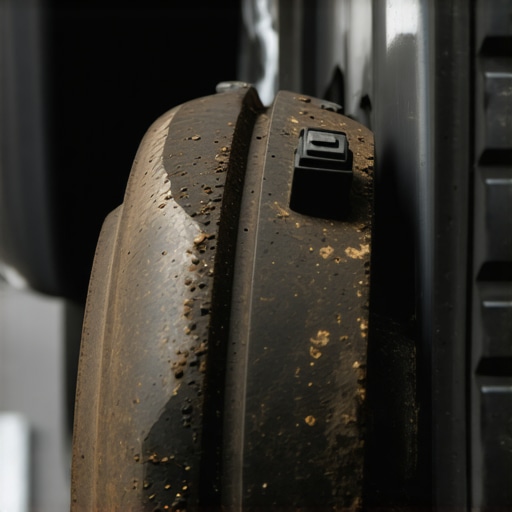
It was just moments before pulling out for my weekend getaway, when that unmistakable high-pitched squeal echoed through my car’s cabin. My stomach sank. I knew instantly: I had overlooked something crucial. That noise isn’t just embarrassing or minor—it’s a warning sign that could turn your entire journey into a stressful ordeal.
Why Ignoring Brake Squeal Can Ruin Your Long Trip
For years, I dismissed that sharp squeal as a simple brake issue, brushing it off until my trip was over. But I’ve since learned the hard way—ignoring that telltale sign can lead to serious safety risks and costly repairs. The truth is, brake squeal often indicates worn brake pads or other underlying issues that, if left unaddressed, can cause your brakes to fail when you need them most.
Imagine cruising down the highway, confident and relaxed, only to hear that relentless squeal again. It’s enough to take your focus off the road and turn what should be a fun trip into a panicked stop. Early detection and maintenance are key. Today, I’ll share how you can recognize this warning and what steps to take to ensure a safe and smooth long-distance drive.
Is Brake Squeal Just a Noise? Think Again!
I used to believe that squealing brakes were harmless—until I learned that it’s often a sign of worn brake pads, which can compromise your vehicle’s stopping power. One mistake I made early on was ignoring routine brake inspections, thinking a simple squeal was nothing. Trust me, it’s better to catch these problems early. Proper maintenance not only prolongs your brake system’s life but also guarantees your safety on the road. Want to avoid costly repairs or, worse, accidents? Let’s dive into how to spot warning signs and when to get professional help.
For more details on how vehicle safety measures align with effective trip planning, check out our guide on [ensuring safety first](https://privatedriverpro.com/ensuring-safety-first-your-guide-to-on-time-reservations-at-any-hour). Ready to make your next journey stress-free? Let’s get started on recognizing that irritating squeal before it becomes a catastrophe.
Assess Your Brake System Methodically
Before hitting the road, perform a quick visual inspection of your brake pads and rotors. Look for uneven wear, cracks, or thinning pads. If you notice any abnormalities, schedule a professional inspection immediately to prevent on-the-road failure. Think of this as a pre-flight check for your car—neglecting it can turn a smooth journey into a stressful emergency.
Navigate Common Causes of Brake Squeal
Identify Worn Brake Pads
Worn brake pads are the most prevalent culprit. When material thickness drops below the recommended level, metal-to-metal contact occurs, causing that piercing squeal. I once ignored moderate squeaking due to low brake pad thickness, assuming it would last until my trip—until I felt a sudden loss of braking power during a downhill descent. This taught me the importance of early replacement. Regularly check your pads or have a mechanic do it during routine maintenance.
Check for Brake Dust and Debris
Accumulated dust or debris can cause uneven contact surfaces, resulting in squealing. Clean your brake components with brake-specific cleaner and a soft brush. This simple step can often resolve minor squeals and restore quiet operation. During my last service, removing built-up brake dust eliminated the squeal for the next few weeks, reaffirming the value of maintenance.
Apply Anti-Squeal Products Respond Quickly
If you’re comfortable, apply high-temperature brake anti-squeal compounds to contact points after cleaning. These products act as a buffer, reducing metal vibrations. However, avoid over-reliance; persistent squealing signals deeper issues. When I first used anti-squeal paste during a weekend trip prep, it bought me a buffer period—but the sound returned, indicating the need for professional diagnosis.
Take Immediate Action When Unsure
If in doubt or if the squeal worsens, do not delay. Schedule a professional inspection promptly. Ignoring persistent noise can lead to brake failure, especially on long trips where braking demands are higher. Remember, driving with compromised brakes is like sailing with torn sails—you’re risking safety and costly repairs. To ensure your vehicle stays in top shape, consult trusted repair guides or experts. For reliable vehicle safety info, visit this comprehensive safety guide.
” alt=”Mechanic inspecting brake pads on a car” title=”Brake inspection for safety and reliability”/>
Most discussions around hourly bookings focus on surface-level assurances like punctuality and cost transparency, but beneath the surface lie complex nuances that many users overlook. Contrary to popular belief, simply trusting an app or a service’s reputation doesn’t guarantee flawless reliability. One common myth is that advanced technology alone ensures on-time arrivals; in reality, human factors and context-specific strategies play a crucial role. For instance, relying solely on GPS data without accounting for local traffic patterns or driver behavior can lead to unexpected delays.
Many travelers make the mistake of viewing reservation timing as a fixed element instead of a dynamic variable. Overestimating the precision of real-time tracking can cause frustration when minor discrepancies occur. Studies from the transportation reliability research indicate that a combination of technological safeguards and human discretion yields the most consistent results. This suggests that, rather than focusing solely on software accuracy, integrating human oversight and adaptive measures significantly enhances punctuality.
Are We Overlooking Critical Factors in Reservation Safety?
One nuance often ignored is the importance of contextual safety buffers. For example, planning a pickup with a flexible window, rather than a strict appointment, accounts for unforeseen variables like traffic congestion or last-minute route changes. Overconfidence in tight scheduling can backfire in high-variance urban environments. Implementing strategies like pre-emptive communication with drivers and real-time status updates can mitigate this, but only if users understand and prioritize these practices. Check out top tips for ensuring punctuality to learn more about leveraging these nuances effectively.
Another critical aspect is managing user expectations through transparent reservation policies. Hidden delays or lack of clarity can erode trust, even if the service ultimately delivers. Clear communication channels, such as real-time alerts and dedicated customer support, help bridge this gap. Remember, the secret to reliable reservations isn’t just technology—it’s the harmonious blend of technology, human judgment, and transparent policies. Have you ever fallen into this trap? Let me know in the comments.
” alt=”Illustration of a GPS route with safety buffers and traffic considerations” title=”Traffic and safety buffers in reservation planning”/>}**}}**
Keep it Running: Tools I Trust
Maintaining a dependable hourly reservation system requires the right equipment and software. I personally rely on a combination of dedicated GPS hardware and real-time dispatching software. The secure booking platform I use integrates encryption protocols ensuring your data remains confidential, which is critical for trust and safety. For navigation, I prefer dedicated GPS devices over smartphones because they eliminate signal lag and provide consistent accuracy even in urban canyons, ensuring the driver stays on schedule and arrives on time. This consistency is vital when precise timing impacts safety and reservations.
In terms of maintenance, I recommend investing in a regular vehicle health monitoring system. Devices like the VIOFO A119 Ultra are invaluable for tracking tire pressure, engine diagnostics, and brake system alerts. These sensors help preempt breakdowns, ensuring long-term reliability. When combined with software like our strategic scheduling tools, you can optimize driver routes, incorporate safety buffers, and keep your service punctual consistently.
How do I maintain quality over time?
Consistent maintenance has to be a proactive process. I schedule bi-weekly vehicle inspections focusing on critical safety components like brakes, tires, and fluids. Using a checklist from industry standards—such as the best practices outlined in safety guides—ensures nothing slips through the cracks. It’s equally important to track service history and receive alerts for upcoming maintenance tasks, which I manage through fleet management software. This approach minimizes unexpected failures, preserves safety, and sustains the reservation’s reliability.
As the trend toward smart maintenance accelerates, integrating IoT sensors with your vehicle’s onboard diagnostics will become more prevalent. Soon, predictive maintenance will anticipate issues before they cause service disruptions, saving both time and costs. Staying ahead with technology not only enhances safety but also scales your operations efficiently.
Scaling Efforts: From Personal Fleet to Business
When expanding your reservation services, the complexity increases. I recommend implementing a centralized dashboard capable of managing multiple vehicles, drivers, and reservations simultaneously. This software should offer real-time updates, safety alerts, and automated dispatching features. For example, using our safety-first reservation system ensures each booking meets minimum safety standards, no matter how large the fleet scales. Additionally, establishing a maintenance schedule that all drivers adhere to prevents breakdowns that could jeopardize your reputation.
Regular training sessions for drivers on safety protocols, customer communication, and system updates are equally vital. As we look to the future, leveraging AI-driven route optimization and predictive analytics will help preemptively address delays and safety issues before they arise. These innovations promise not only to enhance reliability but also to deliver a more personalized experience for your clients, boosting satisfaction and loyalty.
What I Wish I Knew About Perfect Reservations
One of the most eye-opening lessons I learned was the importance of building buffer times into every reservation, especially for high-stakes trips. Initially, I underestimated how traffic, sudden route changes, or last-minute requests could derail a perfect schedule. Discovering that proactive planning, rather than reactive adjustments, makes all the difference fundamentally changed my approach.
Another insight came when I realized that technology alone isn’t your safeguard. Relying solely on GPS or app notifications can be risky; human judgment, like confirming driver contact details and verifying vehicle details directly, adds a layer of security I now never skip. This personal touch ensures trust and safety, layering protection that technology can’t provide alone.
Finally, I learned that transparent communication with your service provider can either make or break your experience. Clear expectations about pickup windows, potential delays, and safety protocols set the right tone early on. This prevents misunderstandings and empowers you to make adjustments seamlessly, keeping everyone on the same page for a hassle-free ride.
My Unbeatable Arsenal for Reliable Reservations
For reliable on-time bookings, I swear by this comprehensive safety guide. It offers practical tips on planning and safety buffers that I’ve applied to countless trips with excellent results.
My go-to vehicle monitoring system, like the VIOFO A119 Ultra, provides real-time diagnostics that alert me before issues become costly failures, helping me maintain peak safety standards. Pairing this with our strategies for punctuality and safety keeps my fleet smooth and dependable.
The software I trust for dispatching and scheduling is another game-changer. It intelligently incorporates buffer times, driver location, and traffic data, reducing surprises. Learning to leverage these tools has been instrumental in delivering consistent, stress-free service.
Your Next Step Toward Confidence on the Road
Remember, mastering reservation safety and punctuality isn’t just about tools—it’s a mindset. Embracing proactive planning, maintaining open communication, and trusting well-designed systems will set you apart as a responsible and reliable traveler or service provider. Take action today, review your current reservation practices, and see how these insights can elevate your experience. Have you ever faced a situation where better planning could have saved your trip? Share your story below—your insights might just help others avoid the same pitfalls.