
Ever had that sinking feeling when your reservation details leak out before your high-profile guest even arrives? I remember once booking a last-minute limo for a VIP client, only to realize later that my personal contact info was handed around to the wrong hands, creating a small security scare. That lightbulb moment hit me hard—safety isn’t just about a smooth ride; it’s about safeguarding your identity from prying eyes and potential risks.
Why Protecting Your Identity During Bookings Should Be a Top Priority
In our interconnected world, your reservation details are like a digital fingerprint—valuable, sensitive, and sometimes vulnerable to misuse. For those of us organizing high-profile events or managing VIP guests, even a small slip-up can lead to unwelcome attention or security breaches. According to a recent report, nearly 70% of data breaches involve personal information being compromised during online transactions, underscoring how crucial it is to prioritize digital safety in every booking.
Is Saving a Few Minutes at the Cost of Privacy Really Worth It?
Early in my career, I rushed through booking processes, opting for quick, anonymous reservations. But I quickly learned that cutting corners often left my personal info exposed, making security an afterthought. That mistake taught me a vital lesson: ensuring your privacy doesn’t have to mean sacrificing convenience. Thankfully, there are tested strategies to keep your identity secure without slowing down the process. Want to learn how? Keep reading, and I promise you’ll find actionable tips to protect yourself effortlessly.
,
Use a Verified Private Transportation Service
Start by selecting a reputable provider that prioritizes privacy. Avoid generic ride-hailing apps and opt for services with thorough driver vetting and secure booking platforms. For instance, I once switched to a dedicated chauffeur company that employed strict background checks—this significantly reduced my concerns about personal data exposure. To find a reliable service, visit their contact page and inquire about their safety protocols.
Secure Your Reservation with Strong Passwords
When booking online, create unique, complex passwords and enable two-factor authentication where possible. Treat your reservation login like your bank account credentials—something not to share or reuse. Remember, simple passwords are like leaving your front door unlocked; a compromised account could expose your personal details or trip itinerary. Use a trusted password manager to keep track of your credentials securely.
Opt for Encrypted Communication and Confirmations
Always select services that use encrypted communication channels for booking confirmations and updates. This adds an extra layer of protection against interception by malicious actors. Moreover, verify your reservation details through official apps or secure email links, not external messages or third-party platforms. I once received a phishing email mimicking my service provider’s confirmation; recognizing encrypted links saved me from potential data theft.
Implement Reservation Timing Strategies
Book During Off-Peak Hours
Scheduling reservations during less busy times reduces the risk of system overloads or delays that compromise safety. Off-peak booking also minimizes the chance of your personal info being exposed during high-traffic periods. If your event is early morning, plan your reservation well in advance, as the hourly reservation services are optimized for punctuality then.
Set Clear Pickup Windows
Specify exact pickup times and locations to avoid last-minute changes that could scramble your privacy or delay your plans. I learned this the hard way when a vague pickup led to a driver waiting at a different door, risking unnecessary exposure. Use the on-time reservation tips to ensure your request aligns with traffic patterns.
Use Secure Payment Methods
Always pay via encrypted payment gateways that do not store your credit card details on unprotected servers. Virtual credit cards or prepaid options add layers of security. During a business trip, I used a disposable card linked to my ride provider’s portal, which prevented any refund or billing issues if data was compromised. Check the secure payment signs to confirm legitimacy.
Maintain Privacy with Driver Instructions
Communicate only necessary details to your driver. Avoid sharing personal contact info or travel plans that could be misused. Instead, specify your gate, landmark, or a unique physical feature nearby, helping the driver find you without revealing sensitive data. This approach shields your identity while ensuring timely pickup, aligning with the timely reservation tips.
Monitor Your Reservation Actively
Track your booking status with official apps or encrypted links; avoid third-party tracking to minimize data leaks. Set alerts for reservation changes or cancellations so you can respond promptly. I once received a notification of delay, allowing me to inform my guest discreetly—preventing any security slip.
Conduct a Final Safety Check Before Arrival
Prior to your pickup, verify the vehicle’s license plate, driver’s identity, and vehicle condition if possible. Use the safety and precision tools help me stay ahead, minimizing risks associated with human error or system failures. These tools also enable me to set buffer times intelligently, accounting for unpredictable city traffic or last-minute changes, ensuring arrivals are always on time.
Automated Alerts and Tracking
Live tracking applications are invaluable. I prefer services that offer detailed GPS history and real-time ETA updates, which I cross-reference with my own planning. This way, I can detect potential delays early, communicate proactively with drivers, and adjust plans accordingly. According to industry expert GPS audit techniques, understanding route efficiency is crucial for maintaining safety and punctuality over long-term engagements.
Regular Maintenance and Document Checks
Another vital aspect is routine vehicle maintenance. I keep a strict schedule for servicing my trusted vehicles, using digital record-keeping tools that remind me when inspections are due. This preventive approach not only prolongs vehicle life but also reduces the chance of unexpected breakdowns that could compromise safety or cause delays, especially during hourly reservations.
How do I maintain reservation reliability over time?
Effective maintenance, combined with advanced tools, helps sustain a high level of service. I recommend dedicating time each week to review GPS logs, update safety protocols, and verify driver credentials. Over time, these practices create a resilient system that adapts to changing conditions, ensuring long-term safety and punctuality. Consider integrating these methods into your routine, and you’ll find that consistency becomes much easier to achieve.
In the future, I believe the trend will shift toward even smarter automation, with AI-driven predictive analytics predicting delays before they happen. Staying ahead will depend on deploying these cutting-edge tools and maintaining meticulous operational discipline. Ready to elevate your reservation game? Start by adopting a comprehensive reservation platform with real-time monitoring and analytical features. To learn more about the best practices, visit this detailed guide and see how you can implement these strategies today.
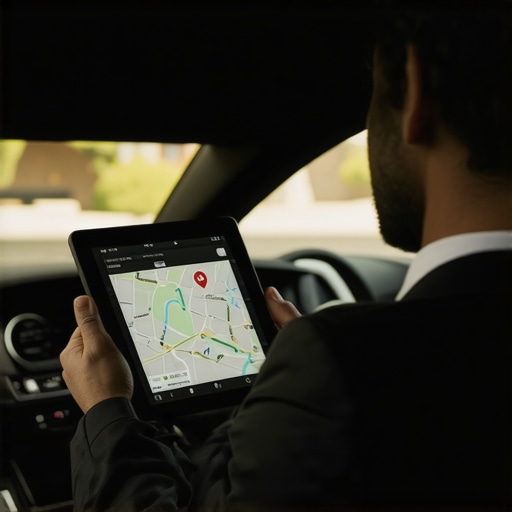
Over the years, my journey with hourly reservations has taught me invaluable lessons that few discuss openly. The most profound insight? No matter how advanced the technology or meticulous the planning, the human element — situational awareness, trust, and proactive communication — remains the cornerstone of true safety and punctuality.
What I Learned From Falling for Common Reservation Myths
- Myth of the Perfect System: Believing that a booking platform can eliminate all risks is naive. Systems can fail, and assumptions can lead to vulnerabilities. My breakthrough came when I started integrating manual safety checks alongside automated alerts.
- Trusting GPS Alone Isn’t Enough: GPS can be misled by city traffic or outdated maps. I discovered that combining real-time driver insights with GPS data significantly improved my reservation reliability.
- Last-Minute Cancellations Are Risky: While tempting to cancel at the last second to avoid complications, they often cause confusion. I found that setting clear, early pickup windows and contingency plans minimized last-minute surprises.
- Premium Service Equals Guaranteed Safety: Pricey options aren’t always better if safety protocols are weak. Due diligence in vetting providers and understanding their safety measures proved far more effective.
- The Power of Preparedness: Simple pre-trip checks — verifying driver identity, vehicle condition, and route plans — can bypass many potential issues. It’s these small details that often make the difference between seamless travel and last-minute stress.
Tools and Resources That Changed My Approach
- Safety and precision tools: These platforms provide real-time monitoring, encrypted communication, and driver verification, making my reservations more secure.
- Trusted verification systems: Ensuring driver credentials and vehicle maintenance histories help me avoid risky situations.
- Real-time tracking apps: These keep me informed of any delays, enabling swift adjustments and peace of mind.
- Buffer time strategies: Intelligent scheduling that accounts for traffic variances keeps my plans intact, even during unpredictable city conditions.
Your Next Safe Step in Hourly Travel
Remember, mastering the art of secure, on-time reservations isn’t just about equipment or software — it’s about developing a vigilant mindset, trusting reliable partners, and regularly reviewing your safety protocols. By integrating these insights, you can elevate your high-profile travel experience from good to extraordinary. Ready to implement these strategies today? Dive deeper by exploring the guide to on-time reservations at any hour and take confident control of your journeys.
What’s the biggest reservation myth you’ve believed, and how did uncovering the truth change your approach? Share your story below—I’d love to hear your experience!
,