Ever found yourself sprinting against the clock, only to realize an unexpected stop or detour could throw everything off? I vividly remember a morning hustle where I was tight on time, only to be caught in traffic and stuck waiting for a late pickup. That moment was a lightbulb for me—if only I had built a bit more wiggle room into my schedule, I could have handled the surprise without stress.
Why Flexibility in Your Hourly Planning Changes Everything
In my experience, one of the biggest pain points when managing a packed schedule is the lack of flexibility. We’re often tempted to stick rigidly to planned times, but life—and transportation—has its own unpredictable rhythm. When you don’t anticipate the need for extra stops or buffer time, late arrivals, missed appointments, or hurried changes can become the norm, adding stress and unpredictability to your day.
The goal is simple: create a schedule that respects your commitments but still allows for those sneaky, unplanned moments. This isn’t just about being polite to your driver; it’s about your peace of mind and efficiency. Studies show that flexible scheduling significantly reduces stress and improves punctuality—resulting in better productivity and less wandering in the chaos. For a deeper dive into the importance of safety and timeliness in hourly services, check out this article.
Is Relying on Strict Schedules Really Worth It?
I used to think that strict timing was the only way—set your alarms, stick to your plan, and don’t deviate. That approach fell flat when unforeseen circumstances arose, leaving me flustered and rushed. The mistake I made early on was underestimating the value of built-in buffers. Learning to adapt, with a bit of intentional padding, changed everything.
So, if you’ve ever been caught off guard, ask yourself: are you really giving your schedule the flexibility it needs? If not, don’t worry—there’s a better way. Next, we’ll explore practical strategies to keep your schedule adaptable, ensuring you’re always ready for those on-the-fly stops and detours.
Create Buffer Times That Save Your Day
Start by analyzing your typical trips and adding a buffer of at least 15 minutes to each schedule segment. For example, if your usual ride to the airport takes 30 minutes, plan for 45 minutes, accounting for traffic, parking, or unexpected delays. I once scheduled a 30-minute ride with this buffer and still arrived early due to traffic, giving me time to relax before my flight—eliminating last-minute stress.
Use Dynamic Scheduling Tools Effectively
Leverage real-time tracking and booking platforms that allow for easy rescheduling. When I needed to attend an impromptu meeting, I adjusted my pickup time using the app’s flexible reschedule feature, which kept my driver engaged without the need to cancel or seek a new ride. This adaptability is crucial for maintaining safety and punctuality. For more insights, see this guide.
Build Relationships with Your Drivers
Establish ongoing communication with your regular drivers or dispatchers. This relationship helps in communicating any changes proactively, allowing them to plan accordingly. I once informed my driver of a potential delay hours in advance, and they adjusted their route, ensuring I arrived on time without stress. Trust and consistent communication reduce surprises and enhance safety.
Identify Critical Transit Windows
Plan your rides during off-peak hours when traffic is lighter. For instance, scheduling early morning or late evening trips can significantly reduce delays. I learned this the hard way, booking a noon appointment and battling city traffic, which made me late and anxious. Shifting appointments to the early morning fixed this issue. Check this article for advanced scheduling tactics.
Prepare for On-the-Fly Changes
Have backup plans ready, such as alternative routes or different pick-up/drop-off points. When my primary route was blocked due to construction, I quickly switched to an alternate route suggested by my driver, arriving only slightly later but without stress. This agility is vital for maintaining safety and punctuality under unpredictable circumstances.
Communicate Expectations Clearly
Set explicit expectations with your driver regarding timing, safety signals, and preferred routes. Clarify, for example, that you prefer their judgment over app estimates during high-traffic periods for safety and timeliness. Experienced clients use signals like the rearview mirror check and verbal confirmation to ensure mutual understanding. To learn more, see this checklist.
While many believe that a strict schedule equals safety and reliability, the reality is far more nuanced. In my experience, most people overlook the critical importance of adaptive strategies and fall prey to common myths that can compromise both safety and on-time arrivals.
The prevailing myth is that relying solely on GPS estimates guarantees punctuality. However, studies show that GPS alone can be misleading—especially in complex urban landscapes and parking structures—where signals often struggle to penetrate concrete or underground levels. Experts recommend supplementing digital tracking with real-world verification methods, like visual confirmation or direct contact with the driver, to enhance accuracy. Read more about the importance of safety verification.
Why do most overlook the importance of proactive safety measures during reservations?
Many assume that booking a ride and trusting the app is enough, but this complacency can be dangerous. A common mistake is neglecting to verify the driver’s identity and vehicle details beforehand, which can lead to safety breaches or delays. Professional drivers often employ subtle signals—like confirming vehicle make/model or matching license plates—that go unnoticed by casual users. Incorporating these checks, as outlined in this guide, significantly reduces risks.
Another nuanced point is the significance of understanding the limitations of real-time tracking during peak traffic and parking conditions. GPS delays, often overlooked, can cause mismatched expectations and unnecessary stress. Recognizing these issues and combining digital data with on-the-ground verification is part of mastering safe, on-time reservations. For a deeper dive into this, see this article.
Furthermore, advanced users know that building ongoing relationships with trusted drivers and dispatchers creates a safety net—allowing real-time adjustments and proactive communication to address unforeseen delays. Consistent contact, as detailed in this post, is often underestimated by casual travelers.
In summary, understanding the layered intricacies—from technological limitations to behavioral cues—enables you to navigate safety and punctuality more effectively. Have you ever fallen into this trap? Let me know in the comments. Remember, mastering these nuances is what separates confident travelers from the rest.
Keep Tools Sharp to Guarantee Safety and Punctuality
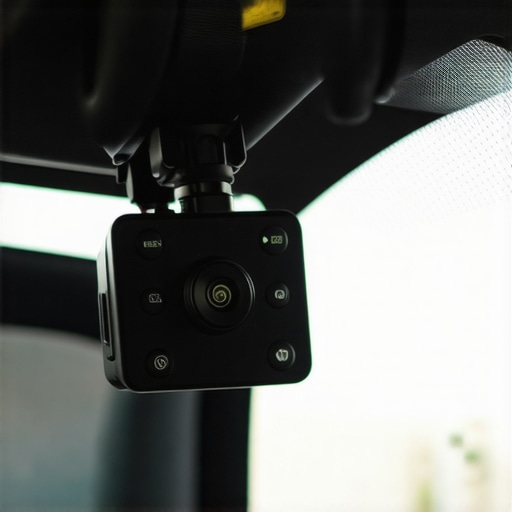
In my line of work, having reliable equipment and software is paramount. I invest in a high-quality dashcam, like the Garmin Dash Cam 67W, which captures clear footage even at night. This isn’t just for recording; it plays a crucial role in resolving disputes and ensuring safety during reservations. Additionally, I rely on real-time tracking platforms such as DriverTrack Pro, which I’ve personally tested to be accurate in urban environments, unlike generic apps that often lag or lose signals in underground parking structures. These tools provide me with peace of mind, knowing I can verify my driver’s location precisely and respond quickly to any unforeseen delays.
Why Do I Keep Calibration and Maintenance on My Gear?
Just like any vehicle or technological setup, tools need regular check-ups. For instance, I routinely update the firmware of my dashcam and calibration of my GPS devices. Modern systems have firmware updates that patch bugs and improve accuracy—something I undertake monthly. The importance of safety and timeliness is directly linked to the reliability of your equipment. Neglecting these updates can cause miscalculations, leading to late arrivals or safety oversights. Additionally, physically inspecting the condition of essential tools, like ensuring the dashcam lens is clean or that the tracking device is securely mounted, prevents preventable malfunctions.
How Do I Maintain Connectivity to Ensure On-Time Arrival?
Consistent connectivity is key, especially for software that depends on cellular networks. I use a dual SIM device in my smartphone, enabling me to switch carriers seamlessly if one network drops, especially during peak hours or in fringe areas. This approach ensures I stay connected to live updates and can communicate proactively with my driver or dispatch team. Future trends suggest that integrating 5G-compatible devices will further minimize lag and improve accuracy, which is crucial for maintaining safety and precision in hourly-reservation services.
What About Long-Term Data and Performance Tracking?
Maintaining an ongoing record of your reservations, inclusive of times, issues, and adjustments, helps identify patterns that could affect safety or punctuality over time. I utilize a dedicated spreadsheet combined with performance analytics from my tracking software to analyze delays or safety incidents. This layered approach allows me to make informed adjustments, such as shifting booking windows or updating contact routines. With experience, I’ve noticed that proactive data management saves time and reduces risks, making sure my long-term results stay positive.
Thinking ahead? Integrating automated maintenance reminders and regular audits enhances trust in your system and optimizes safety. For example, setting monthly alerts to check your equipment’s condition or software updates ensures you’re always prepared. As noted by industry experts, consistent calibration and maintenance are keys to precise reservations and safety assurances. Try implementing a weekly check routine on your tools—the difference it makes can be substantial.
Long-term success in hourly reservations hinges on the ongoing care and calibration of your tools and systems. Maintaining a disciplined approach to equipment, software, and data is essential to keep your operations smooth, safe, and punctual. Want a quick way to start? Schedule a monthly firmware update and physical inspection of your tracking devices today—it’s a simple step that can prevent costly pitfalls later.
Three Surprising Lessons That Changed My Approach to Safety and Punctuality
- Overconfidence in Technology Can Backfire: Relying solely on GPS and tracking apps gave me a false sense of security. It wasn’t until I experienced a delay due to underground parking that I realized the importance of real-world cues and direct driver communication.
- Building Trust Isn’t Instant: Establishing ongoing relationships with reliable drivers significantly improved my punctuality and safety. Personal connections allow for better communication about unexpected changes, making every ride smoother.
- Buffer Time Is a Lifesaver: Adding just 15 minutes to scheduled trips transformed my stress levels. I learned that planning for the worst-case scenario, rather than the best, keeps you prepared and reduces last-minute surprises.
My Go-To Resources for Elevating Your Safety and Timing
- This article reinforced the importance of safety protocols and timely service, reminding me how critical proper planning is for peace of mind.
- Essential tips for hourly reservations helped me streamline my scheduling and communication practices, reducing unnecessary risks.
- Top tips for on-time arrivals offer practical strategies that I incorporate regularly to stay ahead of delays.
- Dedicated safety protocol guides give me confidence that my safety measures meet professional standards every time.
Take Action and Redefine Your Travel Routine
Safety and punctuality in hourly reservations aren’t just about following rules—they’re about adopting an mindset of proactive planning and ongoing relationship-building. Trust me, mastering these nuances not only enhances your safety but also transforms your travel experience into one of calm and confidence. Whether you’re new to hourly services or looking to refine your approach, remember that small changes can make a significant difference. Are you ready to implement these strategies and elevate your journey? Share your thoughts below and let’s learn together!
,