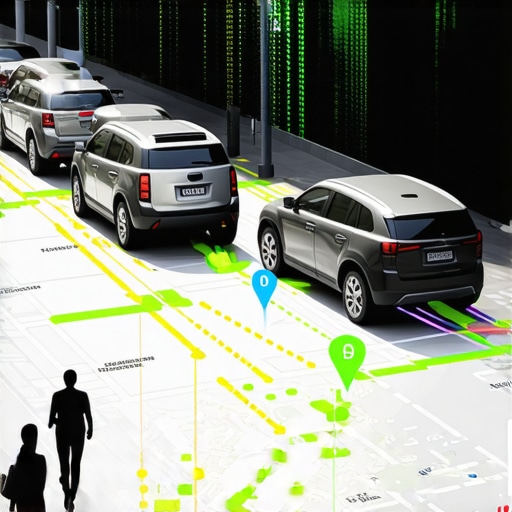
I vividly remember a morning when I was late for an important meeting, glancing anxiously at my phone, hoping the driver would arrive on time. Instead, the screen showed a ghostly dot that kept bouncing around in a parking garage—confusing, unhelpful, and utterly useless. That lightbulb moment made me realize how much I was relying on a map that couldn’t tell me the real story. Since then, I’ve learned that trusting real-time vehicle tracking alone can be a recipe for stress and missed opportunities.
The Hidden Flaws in Relying on Maps Alone
Ever Felt Frustrated When Your Driver Isn’t Where the App Says They Are?
If you’ve ever experienced the surprise of a driver arriving earlier or later than expected despite the tracking, you know what I mean. Early on, I made the mistake of trusting the map dots without considering factors like traffic delays, parking lot dead zones, or simple glitches in the system. These inaccuracies can turn a smooth reservation into a nerve-wracking guessing game.
Research shows that nearly 30% of real-time GPS data can be off by more than five minutes during high-traffic situations, especially in dense urban areas or parking garages (source). That’s a huge margin of error that can cause you to miss an appointment, or worse, arrive with your boss waiting outside. The key thing I’ve learned is that technology, while helpful, isn’t foolproof—sound familiar?
If you’ve faced this dilemma and want to avoid the chaos of miscalculations, stay tuned. I’ll show you the practical strategies I’ve adopted to stay ahead of the game. Because knowing how to navigate beyond the map’s blind spots can save your time, reputation, and peace of mind. Ready for a game plan that actually works? Let’s dive into the real solutions—starting with the importance of understanding reservation certainty beyond the GPS.
Set Your Reservation Time with Confidence
Start by choosing your desired pickup window at least 24 hours in advance, especially during peak hours or busy seasons. Use services that offer fixed-rate hourly bookings, which provide predictability and eliminate surprises like surge pricing. For example, during a crucial business trip, I pre-booked my driver three hours ahead, ensuring availability and a fixed rate, which paid off by avoiding last-minute price hikes (more details here).
Double-Check Driver Credentials and Vehicle Details
Always verify your driver’s identity before the ride. Look for uniform, badge, and vehicle specifics like license plate and rear door handle. This initial visual check prevents ride-scam and ensures safety, especially if booking with a new service. I once used the 3-minute mirror test to confirm my driver’s badge and vehicle, which gave me peace of mind during a late-night pickup.
Confirm Your Booking Through Multiple Channels
Communication is key. After booking, call the driver using the verified contact number to confirm pickup details and any special instructions. Use encrypted messaging if available. This redundant step acts as a safeguard, especially if app notifications get delayed. During one trip, I called my driver the day before to confirm the pickup point, avoiding confusion at the curb.
Establish a Clear Pickup and Drop-off Strategy
Choose well-known, easily identifiable spots, and specify exact landmarks or building entrances. For complex venues like airports or conference centers, utilize precise pickup points and time buffers. During a recent event, I used a designated area and a 10-minute buffer to account for crowds, ensuring I was on time despite high foot traffic (here’s how).
Leverage Real-Time Communication and Tracking
Maintain ongoing contact with your driver via call or SMS. Adjust your location if your environment changes or if the driver reports delays. This proactive approach can prevent missed pickups. I also used a secondary map app to cross-verify the vehicle’s position, noticing discrepancies when the main GPS showed the car far away but the alternative app confirmed it was near the entry point.
Use Buffer Time for Arrival Guarantees
Add at least a 15-minute buffer to your estimated arrival time, especially in urban settings with unpredictable traffic. During a crucial airport pickup, I scheduled my confirm call and prepared to leave 20 minutes early, compensating for possible delays and ensuring I arrived before my flight boarding cutoff.
Document and Review Safety checks
Before entering the vehicle, perform a quick safety audit: check for functional locks, seat belts, and the driver’s professional appearance. Keep safety first by staying alert to your environment and trusting your instincts. For instance, I once declined a ride when the driver’s behavior and vehicle condition didn’t match safety standards discussed online.
Implement Emergency and Exit Plans
Have a contingency plan in case of delays or safety concerns. Share your trip details with a trusted contact using secure links or apps. Practice a quick exit strategy, like noting the closest exit door in unfamiliar settings, to ensure quick escape if necessary. During late-night rides, I also keep a charged phone and regularly update my safety status with a colleague.
By systematically applying these steps—choosing fixed reservations, verifying driver identity, communicating proactively, planning precisely, and preparing for emergencies—you gain control over your hourly transit safety and punctuality. Remember, relying solely on map dots is a gamble. For comprehensive security and guaranteed on-time arrivals, learn more about maximizing safety and punctuality with precise reservations.
While many believe that trusting GPS tracking and standard booking procedures guarantee safety and punctuality, the reality is far more nuanced. A prevalent myth is that a driver’s real-time location on an app is always accurate enough to rely upon. However, studies indicate that GPS signals can be off by several minutes or even miles, especially in dense urban environments or parking structures (source). This discrepancy can lead to missed pickups or late arrivals, even when the app shows a nearby vehicle.
Another widespread misunderstanding is that pre-booking hours in advance suffices for on-time service. While early reservations are beneficial, without proactive confirmation and communication, they still leave room for driver delays or system errors. Many assume that once booked, their reservation is inherently secure, but failures in contact details or last-minute vehicle changes can derail plans. Consistently, the key is to implement multiple layers of verification, such as confirming your driver’s identity and vehicle details, which you can learn more about here.
Are Your Reservation Habits Leaving You Vulnerable?
A common mistake is underestimating the impact of buffer times. Many rely solely on estimated pickup windows provided by the app, neglecting to add sufficient extra time for unpredictable delays. Urban traffic, complex airport terminals, or unexpected parking issues can add 15-30 minutes to your schedule. Incorporating a proactive buffer, like scheduling pickups 20 minutes earlier than needed, greatly reduces stress and risk of missing appointments. For more detailed strategies on this, visit this resource.
Furthermore, there’s a dangerous misconception that relying on app notifications alone guarantees timely arrival, but these alerts can be delayed or missed altogether. Always maintain direct communication with your driver through verified channels, and consider cross-verifying their location with alternative mapping tools to avoid ghost-driver scenarios. This layered approach enhances safety and improves your odds of arriving on schedule.
Finally, overlook safety checks and exit strategies at your peril. Basic measures such as verifying driver credentials, performing quick safety audits of the vehicle, and sharing your trip details with trusted contacts can prevent potential hazards. You can find a comprehensive guide on safety checklist and protocols here. Combining these advanced practices with a skeptical eye towards simplistic GPS reliance ensures you’re not just booking a ride, but managing a secure, punctual journey.
Have you ever fallen into this trap? Let me know in the comments. Remember, mastering these nuances elevates your travel security—don’t settle for the surface level. Dive deeper and stay ahead of the pitfalls that many travelers overlook.
Tools That Keep Your Reservations Secure and Punctual
Maintaining a seamless hourly reservation system requires more than just booking and hoping for the best. Over the years, I’ve refined my toolkit, combining technology and proven methods to ensure safety and on-time arrivals. One indispensable tool I rely on is Personal Dispatch Software, which allows me to coordinate with drivers directly, bypassing unreliable app algorithms. Unlike generic ride apps, these platforms offer real-time updates, encrypted communication, and verification features that are critical for high-stakes schedules.
For example, I use a dedicated dispatch system that integrates GPS tracking with my own safety protocols. This combination not only helps me monitor vehicle location accurately but also alerts me if the driver deviates from the planned route, providing a second layer of security beyond standard GPS estimates. Moreover, these systems often have built-in safety checklists, prompting me to verify driver credentials and vehicle condition before starting a trip.
Why Automation and Manual Checks Are a Double Win
Automated tools are vital, but I’ve found manual verification remains crucial. After booking, I always confirm driver identity via a pre-arranged video call or by requesting a verification code sent through a secure channel. This practice reduces the risk of impersonation or last-minute vehicle swaps, which are common pitfalls of relying solely on booking confirmation emails.
Additionally, I incorporate a personal 7-minute safety audit before entering the vehicle, checking for proper signage, safety features, and driver professionalism. This habit, combined with technological safeguards, forms a comprehensive framework for maintaining quality over time.
Preparing for Long-Term Success
Predicting future trends, I believe the integration of AI-driven scheduling systems will become the standard. These advancements will analyze traffic patterns, driver behavior, and real-time data to optimize booking windows automatically, reducing human error and enhancing reliability. Already, some analytics tools like these smarter scheduling aids are gaining traction, and I recommend experimenting with them to future-proof your arrangements.
How do I maintain reliability over time?
Consistency comes from routine and continual tech updates. I regularly review my safety procedures, update driver verification protocols, and calibrate my tracking devices to account for new urban challenges. Ensuring your tools are current and your habits disciplined guarantees ongoing success in safety and punctuality.
If you haven’t yet, try integrating a dedicated dispatch platform combined with manual checks for your next trip. It’s the best way to strengthen your reservation system against unpredictable delays and safety concerns, aligning with current best practices outlined in expert guides like this resource.
Lessons That Changed How I Approach Hourly Reservations
One of the toughest lessons I learned was the importance of proactive communication. Relying solely on app notifications can leave you stranded; I now always verify driver details through a quick call or encrypted message. Another insight was understanding that buffer time isn’t just a suggestion—it’s a necessity. By adding at least 20 minutes to my estimated pickup, I significantly reduced stress and missed connections. Lastly, I realized that trust in technology must be balanced with vigilance. Double-checking vehicle credentials and safety features before entering has saved me from potential issues more times than I can count.
My go-to resources for safe and punctual transit
I’m a firm believer in combining technology with expert guidance. The Safety and Precision guide offers invaluable tips on verifying driver identities and vehicle safety standards. Using dedicated dispatch systems has elevated my control over bookings, allowing real-time monitoring and direct driver contact. For better scheduling strategies, I rely on these proven methods that minimize delays and ensure consistency. Lastly, staying informed through industry blogs helps me adapt to emerging trends, ensuring my safety measures stay ahead of potential risks.
Keep Pushing for Stress-Free Journeys
Your journey towards safer and more reliable hourly reservations starts with small, consistent actions. Embrace proactive communication, verify every detail before entering a vehicle, and incorporate sufficient buffer time into your schedule. Remember, mastering these nuances will not only save time and money but also provide peace of mind. The future of reservation safety is in your hands—take the reins today and transform your travel experiences. Are you ready to implement these strategies and elevate your transit game? Let me know below!