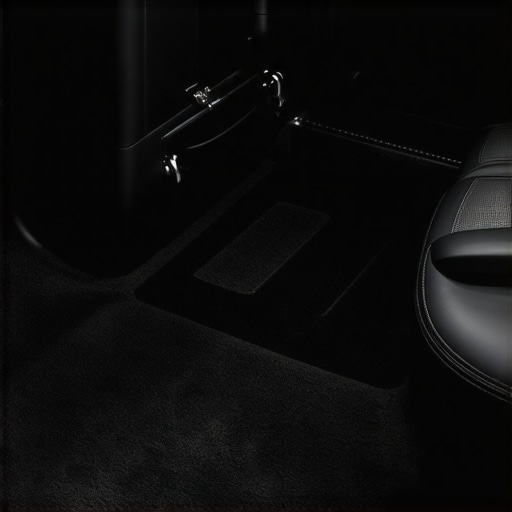
I once spent twenty minutes meticulously planning a route for a high-stakes meeting, ensuring I had a precise reservation down to the minute. The car pulled up—a sleek, black SUV that looked the part. But as I opened the door, my eyes dropped. The floorboard was a graveyard of old receipts, a crumpled coffee cup, and a layer of dust that looked like it had its own ecosystem. I climbed in anyway, and within five minutes, we had missed a turn because the driver was too busy fumbling with a loose charging cable. That was the moment it clicked for me: the state of the floor isn’t about aesthetics; it’s a direct window into that driver’s attention to detail and, ultimately, your safety.
Look Down Before You Sit Down
In the early days of my travel career, I made the amateur mistake of thinking that as long as the wheels were turning and the AC was cold, I was getting what I paid for. I was wrong. Professionalism isn’t a part-time job that starts when the GPS says ‘Go.’ It’s a habit. If a driver can’t be bothered to shake out a floor mat, can you really trust them to have performed the necessary pre-trip verification? Probably not. We’re going to dive into how a clean cabin serves as the ultimate vetting tool, ensuring you aren’t just getting a ride, but a secure, high-standard experience. Have you ever regretted ignoring a messy car interior until it was too late?
Does a little bit of dirt really matter?
You might think I’m being a bit picky. ‘Hey, it’s just a floor, right?’ But here’s the thing: according to studies cited by the National Safety Council, a driver’s attention to the cleanliness and organization of their environment is often a primary indicator of their overall commitment to safety and defensive driving habits. There is a strong correlation between vehicle cleanliness and mechanical maintenance. If the interior is neglected, there’s a high probability the oil changes and tire rotations are being pushed to the limit, too.
What the Floor Reveals About Your Driver’s Mindset
When you see a pristine floorboard, you’re seeing a driver who takes pride in their workspace. It suggests they aren’t just ‘pinging’ through an app but are treating their service as a profession. This is one of those red flags to watch for that most people miss because they are staring at their phones. A clean floor means the driver has likely checked their mirrors, verified their commercial credentials, and cleared their mind for the task at hand. It’s about the ‘small wins’ that lead to a safe, on-time arrival. If they care about the pebble in the carpet, they definitely care about the car following too closely behind you.
Check the Tires and Handles Before You Commit
Start by scanning the wheels and the door handles as the car pulls up. It sounds trivial, but a driver who keeps the rims free of brake dust is someone who likely monitors their tire pressure and brake pad thickness. This is the first step in the visual inspection every rider should do before boarding. Once you open that door, the floorboard is your final ‘go/no-go’ gauge. If the cabin smells of stale smoke or is littered with debris, it is a clear sign that the driver’s attention is divided and their professional standards have slipped.
Don’t Let a Shiny Surface Fool You
I remember a trip in London where the car looked like it had just rolled off the showroom floor. It was beautiful, gleaming under the streetlights. But when I asked to see the commercial permit, the driver’s demeanor shifted from friendly to defensive. He was working ‘off the clock’ and trying to pocket extra cash under the table, operating without active insurance coverage. That’s a massive liability risk for any traveler. You need to know how to verify your driver’s commercial license immediately. A true professional will never be offended by this request; they will appreciate that you value their credentials and the legalities of the industry.
Audit the Credentials Without the Awkwardness
You don’t need to be a private investigator to ensure your safety. Start by looking at the license plate. Most jurisdictions require specific lettering or tags for hired vehicles. Learning how to verify commercial tags is a skill that takes five seconds but saves you from unlicensed ‘ghost’ drivers. Check for a livery sticker on the windshield or a dedicated ID badge displayed on the dashboard. This simple check ensures that the vehicle is part of a regulated fleet and not just a personal car being used for commercial purposes.
#IMAGE_PLACE_HOLDER_B#
Win Back Your Time With the Buffer Rule
Safety isn’t just about the physical state of the car; it’s about the integrity of the schedule. If you are rushing to a destination, you are subconsciously pressuring the driver to take risks, speed, or ignore traffic signals. I live by the ‘fifteen-minute cushion’ for every trip. If my meeting is at 9:00 AM, I set my hourly reservation to start significantly earlier. This buffer time secret eliminates the stress of red lights and ensures you arrive composed. For high-traffic areas like central hubs, knowing the precise pickup window prevents you from standing on a busy curb in a vulnerable position while looking for your ride.
How to Tell if Your Driver Is Ignoring the Map
Once the wheels are in motion, stay engaged with the journey. A professional driver uses a combination of GPS technology and local knowledge, but they should never be ‘winging it’ on an unvetted route. If you notice the car deviating significantly from the suggested path without a valid explanation—like a sudden accident or road closure—you need to speak up. You can audit your driver’s route history through most modern booking platforms to ensure you haven’t been taken on a ‘scenic’ detour. If they are clearly ignoring the tracking map and missing turns, it is a red flag that they are either fatigued or lack the necessary road knowledge for a secure experience.
People always tell me they want the ‘fastest’ ride. But in the world of professional transit, ‘fast’ is a four-letter word that usually ends in a missed flight or a white-knuckle experience. I’ve learned that why consistent arrival times matter more than the shortest route is the real secret to executive travel. When a driver is obsessed with the GPS’s ‘optimal’ path, they are often dodging through narrow side streets where side streets at night can present unexpected hazards. A true pro knows that predictability is the ultimate luxury.
Forget the GPS and Trust Local Wisdom
Many passengers assume that a driver with a glowing smartphone on the dash is fully equipped. That is the first mistake. Over-reliance on algorithms often leads to ‘phantom’ ETAs. I once missed a keynote because my driver followed a GPS suggestion into a construction zone that had been there for three weeks. This is the real reason your apps ETA is often over-optimistic. Professional chauffeurs use local knowledge to bypass these digital traps, ensuring local knowledge beats GPS every single time. It’s about the difference between a driver who follows a blue line and one who understands the pulse of the city.
Stop Falling for the Lowest Price Trap
The most dangerous ‘oops’ factor in travel planning is the race to the bottom on pricing. We all love a deal, but the real cost of choosing the cheapest reservation available is often paid in safety. When you see a rate that undercuts the market by 40%, you aren’t just saving money; you are likely subsidizing a driver’s lack of insurance or a vehicle with bald tires. This is where the hourly rate myth that costs small businesses thousands begins to take hold. You pay less upfront, but you risk the ‘ghost’ driver who cancels the moment a higher-paying on-demand ping comes in. #IMAGE_PLACE_HOLDER_C#
Can a Cheap Hourly Rate Compromise Your Physical Safety?
According to research from the AAA Foundation for Traffic Safety, drivers working for cut-rate services are statistically more likely to engage in ‘app-hopping,’ where they manage multiple devices simultaneously to maximize meager earnings. This distraction is a leading cause of transit incidents. In contrast, why the best drivers prefer fixed schedules is because it allows them to focus entirely on the road. A professional rate covers more than just fuel; it covers the safety and precision required to ensure you actually reach your destination in one piece. When you book a dedicated service, you are investing in a driver who isn’t fatigued by a 16-hour shift of chasing pings. Have you ever fallen into this trap of booking the ‘cheapest’ option only to have it backfire? Let me know in the comments.
I have moved past the phase of manual texting and hope-based travel. Today, I rely on a tech stack that bridges the gap between my office and the driver’s seat. The most critical move I have made is learning how to sync your calendar directly with your chauffeur. This eliminates the ‘oops, I forgot to update the pickup’ moment. When my meeting runs late, the system knows. When I move a lunch from 1:00 PM to 2:00 PM, the driver’s dispatch is alerted instantly without me having to pick up the phone. This level of safety and precision isn’t just a luxury; it is the essential infrastructure of a productive day.
#IMAGE_PLACE_HOLDER_D#
How do I maintain a foolproof travel routine for every trip?
Consistency comes from vetting the provider’s backend systems, not just the car’s exterior. I always check if the service uses automated flight tracking. According to technical standards and studies from the International Road Transport Union (IRU), the integration of real-time data between passengers and professional fleets reduces logistical ‘dwell time’ by up to 25%, significantly cutting down on driver fatigue and timing errors. This is why flight numbers are the best delay insurance you can have. If a service does not ask for your flight number during the booking process, they are not managing your time—they are just guessing.
Ditch the Rigid Route for Dynamic Hourly Freedom
For my multi-stop executive roadshows, I have stopped using point-to-point bookings entirely. They are far too rigid for a day that is subject to change. Instead, I use strategies for safe and reliable hourly bookings. This gives me the ‘on-call’ freedom to pivot. I can modify your trip mid-route without the headache of re-booking or facing surge pricing. This is the logic behind choosing a professional chauffeur over a standard app: you are buying a dedicated asset and a partner in your schedule, not just a seat in a random car.
The Shift Toward Biometric and Blockchain Verification
Looking ahead, the industry is moving toward even higher security. I suspect that in the next few years, the line between reservation systems and personal security apps will blur. We will likely see blockchain-verified credentials for every driver, making it impossible for ‘ghost’ drivers to spoof their way into a pickup lane at a busy airport. We are already seeing the early stages of this with high-end encrypted tracking links. If you haven’t yet, try this one advanced tip: sync your work calendar to your next reservation. It transforms the experience from a simple ride into a fully managed partnership. Have you ever tried automating your travel schedule, or do you still prefer the manual check-in?
The Hardest Lesson I Learned About Chasing the Lowest Fare
Every time I see someone opt for a bargain-basement ride, I worry. You aren’t just saving a few bucks; you’re often forfeiting safety and precision. I’ve learned that the ‘cheap’ driver is the one most likely to cancel when a better offer comes in, leaving you stranded. Realize that the real cost of choosing the cheapest reservation available is usually your punctuality.
I also stopped trusting app ETAs the day I realized they don’t account for the ‘human friction’ of busy terminals. Following the 12-minute rule for international airport pickups has saved me more missed connections than I can count. It provides just enough space for baggage claims without frustrating your chauffeur.
Lastly, a driver’s credentials aren’t just paperwork; they are your insurance. I’ve made it a habit to verify a driver’s identity without being rude by simply asking for a name confirmation before I ever touch the door handle.
My Personal Checklist for a Stress-Free Arrival
I don’t leave my schedule to chance. I always sync my calendar directly with my chauffeur to ensure my transit updates automatically if a meeting runs long. This removes the need for frantic mid-meeting texts.
I also value services that use professional-grade backend systems. I trust the logic of monitoring flight numbers because it ensures my ride is there, even if my plane is three hours late. It is about trusting the system as much as the person.
Step Into a Better Way to Travel
You deserve to step into a vehicle and feel a sense of relief, not a sense of dread. Prioritizing a precise reservation is the ultimate act of respect for your own time and safety. When you demand professional standards, you get professional results. What’s the one red flag you’ve learned to never ignore when a car pulls up? Share your travel stories in the comments below!