I still remember the night I stood on a dark curb, fumbling through my pockets for a twenty that didn’t exist. My driver was frustrated, the rain was coming down in sheets, and my ‘reliable’ ride was turning into a logistical nightmare. That was the moment I realized that handling physical bills during a high-stakes reservation isn’t just inconvenient—it’s a massive hole in your personal security. We’ve all been there, trying to count change in the backseat of a moving car while checking the clock. It’s stressful. It’s slow. And frankly, it’s a distraction from what really matters: getting you where you need to go safely and on time.
The Real Risk of Keeping It Old School
I’ll be honest with you: I made the mistake of accepting cash for far too long because I didn’t want to seem impersonal. But after a few close calls with counterfeit bills and the constant anxiety of carrying large sums, I had to pivot. When you use modern reservation systems that use encryption, you aren’t just paying for a ride; you’re buying a digital paper trail that keeps everyone honest. According to the Federal Reserve’s 2023 Diary of Consumer Payment Choice, while cash is still around, secure electronic payments are now the gold standard for transaction speed and safety. This shift allows us to focus on strategies for safe and reliable hourly bookings without the friction of a physical transaction. Have you ever felt that awkward tension when a cash payment goes sideways at the end of a trip?
Does Ditching Cash Actually Make a Difference for Safety?
You might be skeptical. You might think cash is king because it’s anonymous. But in the world of professional transport, anonymity is the enemy of accountability. A secure, pre-paid booking means your driver is vetted, your route is logged, and your financial data is locked tight. It eliminates the ‘wait, how much do I owe you?’ debate that delays your arrival. By confirming your secure booking link is using https, you ensure that your sensitive info stays between you and the bank. We’re moving toward a model where your focus stays on your schedule, not your wallet. Learning how to spot a secure payment portal before you book is the first step in reclaiming your peace of mind and ensuring you arrive on time, every time.Transitioning to a digital-first mindset starts with how you actually input your data. When you are reserving your spot to guarantee safety and punctuality 24/7, you need to be precise. It isn’t just about the date and time; it’s about the specific entry point.
Apply the Buffer Rule Every Single Time
Think of your schedule like a bridge. If the bridge is built to hold exactly ten tons and a ten-ton truck drives over it, you’re asking for trouble. You need a margin of safety. I always use the buffer rule that actually prevents tardy starts by scheduling my on-paper pickup ten minutes before I actually need to walk out the door. This isn’t just about being early; it’s about absorbing the unvetted variables—the elevator that stops at every floor or the last-minute phone call. For high-stakes corporate moves, I recommend the buffer zone rule for picking up executive clients which extends that gap to fifteen or twenty minutes. It turns a frantic sprint into a calm stroll.
Sync Your Digital Life to the Driver’s Dashboard
To truly eliminate friction, you should learn how to sync your calendar directly with your chauffeur. This removes the manual data entry where most errors happen. I remember a time in Chicago when I manually typed an address into a ride app—I was one digit off. I ended up three miles away from a keynote speech I was supposed to deliver. It was a disaster. Now, I let the systems talk to each other. This level of safety and precision is the key to reliable hourly reservations.
Why You Must Inspect the Commercial Badge
Once the car arrives, the digital security must meet physical reality. Don’t just look for a car that matches the description. You need to know how to read a drivers commercial badge for authentic credentials before you even think about putting your luggage in the trunk. 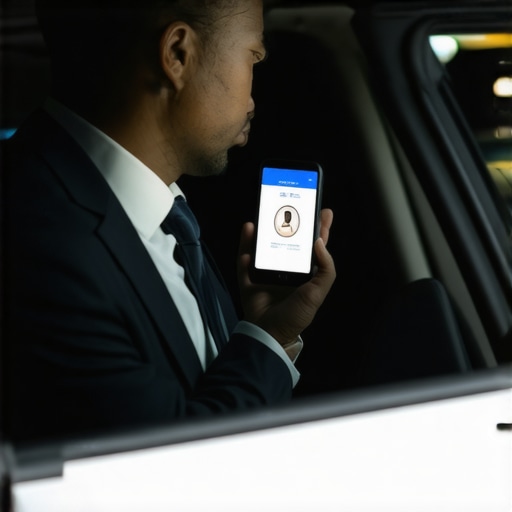 This is the specific driver verification move that prevents identity theft and ensures you aren’t stepping into an unvetted personal vehicle. It takes four seconds but saves you a lifetime of potential headaches.
Trust the Live Link But Account for the Lag
Most modern services provide a map, but you have to understand why your real-time tracking link might have a 30-second lag. I once watched a car on my screen sit still for two minutes while the driver was actually pulling up to the curb. If I hadn’t known about the lag, I would have called to complain and wasted everyone’s time. Instead, I performed the accuracy test for modern live tracking links by checking the cross-streets on the map against the physical signs. This level of awareness is what separates a passenger from a professional traveler. When you master these small, tactical moves, you aren’t just getting a ride; you’re managing a logistics operation. You can even learn how to modify your trip mid-route without penalty fees if you know the right protocol for communicating with the dispatch team rather than just the driver.But even if you have a direct line to dispatch, there is a nuance most travelers miss: the obsession with the ‘fastest’ route. We’ve been conditioned by apps to hunt for the path that saves three minutes, even if it means weaving through narrow alleys or residential zones. This is a trap. In my experience, why on-time performance depends on local knowledge over GPS is the most underrated aspect of safety. A professional knows that why consistent arrival times matter more than the shortest route. The ‘shortcut’ often leads to unvetted areas or sudden road closures that a vetted path avoids. If you see your driver deviating into a dark alleyway, you need to know how to handle a driver who attempts to take a faster unvetted route. Safety isn’t just about the car; it’s about the predictability of the path.
Your Instagram Story is a Map for Stalkers
Another massive mistake I see regularly is broadcasting your itinerary. We live in an era of oversharing, but the hidden risks of sharing your private ride location on social media are severe. You are essentially telling the world exactly where you are and, more importantly, that you aren’t at home. Keep your tracking links limited to your inner circle and your corporate security team.  I’ve seen seasoned executives make this mistake, only to realize they’ve compromised their personal security for a few social media interactions. It is far safer to wait until you have arrived to share those travel highlights.
Why Does Your Ride-Hailing ETA Lie to You?
Many travelers get frustrated when a five-minute wait turns into fifteen. According to a 2023 study by INRIX, urban traffic congestion can fluctuate by as much as 40% within a single hour, meaning that standard app algorithms are often based on ‘perfect world’ scenarios rather than real-time ground truth. This is the real reason your apps ETA is often over-optimistic. When you book a high-stakes ride, you aren’t looking for an optimistic guess; you’re looking for a guarantee. This is precisely why point-to-point booking fails for executive roadshows or back-to-back meetings. The ‘re-ordering’ process introduces too many variables where a single delay cascades into a ruined day.
Stop Thinking in Segments and Start Thinking in Hours
Finally, let’s debunk the ‘savings’ myth once and for all. Many people assume booking three separate rides throughout the day is cheaper than one four-hour block. They are almost always wrong. Between surge pricing, cancellation fees, and the risk of the next car being ten minutes late, the hidden costs of multiple ride hailing requests vs hourly hire add up fast. When you look at the total bill, you’ll find that why hourly rates save more than money for business travelers—they save your sanity and your professional reputation. Have you ever fallen into this trap? Let me know in the comments.To keep this logistical machine running, I rely on a specific set of tools that most travelers ignore. I don’t just hope the car shows up; I verify the infrastructure behind it. For instance, I use a dedicated travel calendar that is entirely separate from my work tasks. This is where learning how to sync your calendar directly with your chauffeur becomes a superpower. It’s not just about the date; it’s about the metadata—the gate numbers, the backup contact info, and the specific flight data. I’ve found that why flight numbers are the best delay insurance for your ride isn’t just a suggestion; it is the only way a driver can track your actual progress through the sky when the airline apps fail to update. I also strictly adhere to the 12-minute rule for international airport pickups to account for the unpredictable nature of customs and baggage claim.
Pinpoint the exact door to save twenty minutes
If you just tell a driver ‘LGA Terminal C,’ you’ve already created a friction point. In a crowded airport, you need to provide a specific pillar or door number. This is why your reservation needs a specific terminal door number to be successful. I personally use the ‘Live View’ in navigation apps to find the exact visual markers of my pickup zone before the car even arrives. 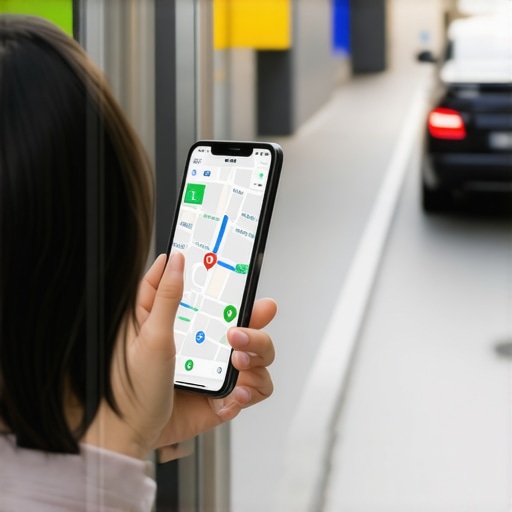 This level of preparation ensures on-time arrival by mastering the art of reservation and safety every hour.
How do I keep my travel logistics sharp for years?
Long-term maintenance of your travel safety is about auditing your past rides. I periodically use the tools available to learn how to audit your drivers route history for accuracy and safety. I want to see if my go-to services are slipping into bad habits, like taking unvetted side streets. According to the NACTO Urban Street Design Guide, curb space is the most contested and chaotic real estate in a modern city; if your driver isn’t proactively helping you navigate that chaos with a clear plan, they aren’t providing a professional service. Looking ahead, I predict we will see more ‘biometric boarding’ where how to verify your drivers identity without being rude will be handled by encrypted proximity sensors in your smartphone. This will make staying secure and punctual a completely passive experience. For your next trip, I challenge you to try an advanced maneuver: learn how to extend your trip duration without booking again mid-ride. It’s the ultimate test of a flexible, professional system. Don’t settle for the ‘optimistic ETA’ of a basic app; lean into the logic behind choosing a professional chauffeur over on-demand apps for your next high-stakes day.
Lessons from the Road That Apps Won’t Teach You
Over the years, I have realized that professional travel isn’t just about moving from A to B; it’s about managing risks and expectations. One of the biggest shifts in my mindset was acknowledging the real cost of choosing the cheapest reservation available. It might save twenty dollars today, but it could cost you a thousand-dollar contract if the driver ghosts you at dawn. I also learned that why safety and timeliness matter in hourly reservation services goes far beyond simple convenience—it’s about preserving your mental energy for the task at hand. Lastly, never underestimate the power of redundancy. I always keep a screenshot of my confirmation and the driver’s credentials in my offline photos just in case the cell signal drops at a critical moment.
Tools I Use to Stay Ahead of the Clock
I don’t rely on luck; I rely on a curated stack of resources that ensure I am never caught off guard. Here are my non-negotiables: 1. The Shared Digital Ledger: By using reservation security measures how to book safely and arrive on time, I ensure my itinerary is always visible to my dispatch team. 2. Precision Buffering: I swear by the buffer time secret for stress-free airport arrivals, which accounts for the unpredictability of TSA lines and traffic. 3. Local Intelligence: I always cross-reference my route with local news feeds during major events to spot construction zones before my driver even arrives.
Reclaim Your Time and Safety Today
Stepping away from the chaos of on-demand apps and into the world of professional chauffeurs is a game-changer for your productivity. When you prioritize a vetted, scheduled service, you aren’t just booking a car; you are hiring a partner who is as invested in your success as you are. It is time to stop gambling with your schedule and start investing in a system that respects your time. Have you ever missed a flight or a meeting because of an over-optimistic app ETA? Let me know in the comments below.