
I was standing on the sidewalk at 4:00 AM, my breath fogging in the streetlight, watching a “ghost car” on my phone screen. The app insisted my ride was thirty seconds away, but the street was dead silent. No headlights, no engine hum, just the digital lie of an algorithm that didn’t know its driver had logged off. That moment—missing a crucial international connection because I trusted a bot—was my wake-up call. We’ve been sold the dream that automation is flawless, but in the high-stakes world of hourly reservation services, nothing beats a pair of human eyes. Today, I want to show you exactly why manual checks are the secret sauce to never being stranded again.
Stop Letting Algorithms Gamble with Your Schedule
When you book a ride, you aren’t just buying a seat; you’re buying a promise. Most platforms use automated dispatching because it’s cheap and fast, but it lacks the nuance of local knowledge and timing. A bot doesn’t know that Main Street is closed for an unmapped parade or that a sudden storm has slowed traffic to a crawl. I learned this the hard way early in my career when I relied solely on an automated dashboard for a VIP client. I didn’t pick up the phone to verify, and the result was a PR nightmare. Now, I know that prioritizing human dispatchers is the only way to catch those tiny errors before they become your problem.
Do human checks actually provide more security than modern tech?
You might be thinking that AI is too advanced to fail these days, but research from organizations like the Human Factors and Ergonomics Society suggests that “human-in-the-loop” systems significantly reduce critical failures in complex logistics compared to fully autonomous ones. A machine can’t sense the hesitation in a driver’s voice or double-check that a 3 AM pickup is actually being serviced by someone who is wide awake. Manual verification acts as a fail-safe, ensuring that the difference between a reservation and a confirmed booking is more than just a line of code. Have you ever had an app tell you your ride was “arriving now” only to have it cancel at the last second? It’s a frustrating experience that we can eliminate by simply putting people back in charge.
Go Beyond the Digital Receipt
When you receive that automated confirmation email, don’t treat it as a guarantee. It is merely a data entry. To ensure your safety and punctuality, you need to transition from a passive passenger to an active manager of your logistics. I remember a rainy Tuesday in Chicago when the app showed my driver was ‘5 minutes away’ for nearly half an hour. When I finally called the dispatch line, I realized the driver had never even started his car; the GPS was simply projecting where he *should* have been based on a faulty script. This is why you must learn how to spot a professional dispatch center from a call center. A real pro will give you a verbal confirmation that the driver is physically moving toward your location, not just ‘assigned’ in a database.
Make the 15-Minute Verification Call
For any high-stakes trip, specifically a 3 AM pickup or a major corporate event, place a manual call fifteen minutes before the scheduled time. This isn’t being ‘difficult’; it’s an essential audit. Use this time to confirm the driver has your local knowledge and timing requirements down, such as which specific gate or side entrance you’ll be using. 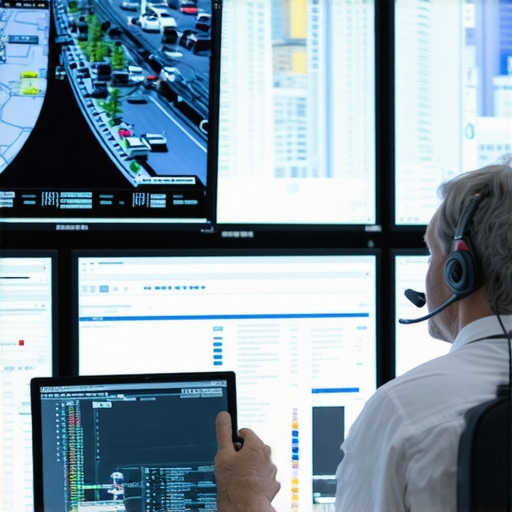
Check for Tired Eyes and Valid Permits
Once the vehicle arrives, your manual check shifts to the physical environment. Before you even put your luggage in the trunk, take five seconds to look at the driver. It sounds simple, but you need to ensure your driver is not fatigued during a late night trip. A quick ‘How has your shift been?’ can reveal if they’ve been behind the wheel for four hours or fourteen. Simultaneously, glance at the bumper or the windshield. Knowing how to spot a genuine commercial license plate instantly is the fastest way to verify you aren’t in an under-insured personal vehicle. If you’re unsure, don’t be afraid of how to verify a drivers safety certification without being rude; a true professional will have their credentials visible and will appreciate your attention to detail.
Mastering the Art of the Real-Time Audit
Once you are in the car, the human element continues. Algorithms often suggest the shortest path, but those paths frequently include high-traffic school zones or construction bottlenecks that a local human knows to avoid. This is where why safety and timeliness matter in hourly reservation services becomes a lived experience. If you need to pivot, you must know how to handle a route change mid-trip without confusion. Instead of letting the driver blindly follow a blue line on a phone, communicate. Ask them if they know a ‘back way’ that avoids the city center during rush hour. This proactive communication ensures that you aren’t just a passenger being moved by a bot, but a traveler being escorted by an expert.Most travelers operate under the ‘Set It and Forget It’ delusion. They believe that booking a ride weeks in advance is a foolproof shield against delays. In my years on the road, I’ve found the opposite: early reservations without active human confirmation are often the first to be dropped during peak surges or system updates. The difference between a reservation and a confirmed booking is where most people get burned. A reservation is an intent; a confirmed booking is a commitment of a specific vehicle and driver. If you want true safety and precision, you need a service that assigns a driver to your name hours, not minutes, before the pickup.
The Myth That Early Booking Equals a Guaranteed Ride
Everyone tells you to book early, but in my experience, the ‘oops’ factor usually happens when you don’t verify the logistics closer to the date. I once saw an executive miss a $10M merger because he booked a car three months early and never checked back. The company had actually gone out of business in the interim, but his ‘auto-confirmation’ was still sitting in his inbox, unpurged by the bot. This is why double-booking a backup ride is a sign of a planning failure rather than a safety net. It creates total chaos at the curb and splits your attention when you should be focused on your upcoming business. Instead of a backup app, you need a guaranteed spot with a firm that handles manual audits.
Is your ‘professional’ driver actually just a freelancer in a suit?
It’s a sophisticated question that many high-end travelers forget to ask until they are already in the back seat. A clean car and a suit can mask a lack of professional infrastructure and commercial insurance. According to the National Safety Council, driver fatigue is a massive, often invisible risk in the transport industry, contributing to nearly 100,000 police-reported crashes annually. You must know how to tell if your driver is properly rested for the trip. A freelancer working three different apps might be on their 16th hour of driving. A dedicated hourly service prevents this by enforcing strict rest protocols that machines simply ignore. 
Ditch the ‘Shortest Route’ Obsession
Another common mistake is demanding the driver follow the GPS blindly. I’ve seen GPS units try to send a luxury SUV down a narrow alleyway during a local festival because it was technically ’30 seconds faster.’ You need to understand why professional drivers avoid the shortest routes on GPS. They are looking for the ‘path of least resistance’ and maximum passenger safety, not just fewer miles. This is why the hidden advantage of hiring a driver who lives in the area is so powerful. They know which bridge is under construction before the satellite does. By maximizing your safety and satisfaction through local expertise, you bypass the traps that catch the casual traveler. Have you ever fallen into the ‘shortest route’ trap only to end up in a construction zone? Let me know in the comments below.
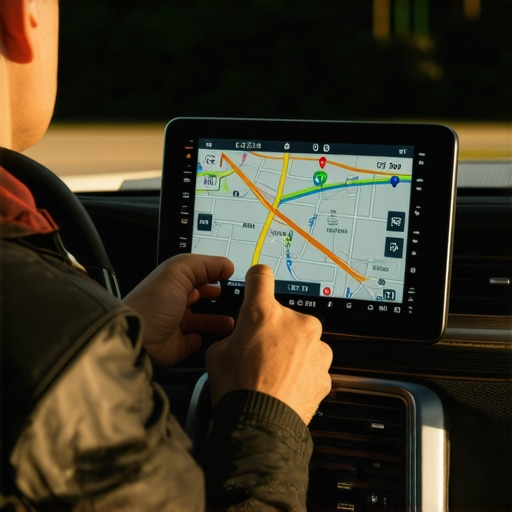
To maintain this level of precision, I stopped relying on consumer-grade smartphones years ago. I’ve found that using dedicated GPS hardware instead of smartphone apps is the only way to avoid the signal lag that makes a car look like it’s blocks away when it’s actually at your door. Professional units pull data from multiple satellite constellations, not just cell towers, providing a 99.9% uptime that a standard phone simply cannot match. This isn’t just about the map; it’s about the underlying telemetry that keeps your schedule moving. Most users don’t realize that smartphone GPS can have a ‘jitter’ of up to 30 meters in high-rise areas, whereas dedicated hardware stays locked to the lane.
The Hardware That Actually Keeps Your Schedule Intact
I personally swear by integrated telematics systems like those provided by Geotab. Their technical documentation highlights how active engine monitoring can predict a battery failure or a cooling issue before the driver even sees a warning light on the dashboard. By maximizing your safety and satisfaction with these data-driven tools, we remove the human guesswork from the maintenance equation. It allows for real-time vehicle data that is more accurate than estimated times provided by a standard booking app. When I see a fleet using these tools, I know they aren’t just hoping to be on time; they are engineering it into their daily operations. This level of scaling ensures that whether you book one car or ten, the reliability remains identical across the board.
How do I maintain this level of safety on every trip?
Consistency is the hardest part of travel logistics. You can have one great ride and one disaster if the maintenance protocols aren’t standardized. I always perform what I call the windshield wiper test. If the blades are streaky or the fluid is empty, it’s a massive red flag that the company is cutting corners on invisible safety components like brake pads or tire rotation. You should also ensure that an hourly rate protects you from unforeseen traffic jams by keeping the driver focused on the road rather than the ticking meter of a traditional taxi. Looking forward, I predict we will see a shift toward Predictive Dispatching. AI will analyze city-wide sensor data to move drivers toward high-demand zones before a booking is even made, but a human will still need to verify that the art of reservation and safety remains the priority. This hybrid approach will eventually eliminate the wait time entirely. Don’t wait for your next flight to test this; the next time you call for a car, ask the dispatcher if they use dedicated GPS or just a smartphone. Their answer will tell you everything you need to know about the reliability of your upcoming trip.
The Brutal Truth About Digital Promises
Automation is often marketed as the ultimate convenience, but I’ve learned that human oversight is a luxury that becomes a necessity when your flight leaves in sixty minutes. Reflecting on my own early mistakes, I realized that relying on verbal confirmations or simple automated pings is often a recipe for a missed meeting. A thirty-second phone call to a human dispatcher who can physically see the vehicle’s telemetry beats thirty minutes of refreshing a glitchy app every single time. True safety and precision comes from knowing a professional has their reputation on the line, not just a line of code. Always remember that a reservation is just a request until a human verifies the driver is awake and moving.
Tools to Build Your Personal Travel Safety Net
To truly stay ahead of the curve, I rely on a small but powerful toolkit that helps me manage my logistics from the back seat. I personally swear by FlightAware for tracking incoming aircraft, as it often provides data faster than the airline’s own portal. For navigating local terrain, I always use Google Maps Offline; having a pre-downloaded map allows me to perform my own red light strategy and suggest route pivots even if the cell signal drops. Finally, I regularly check the National Safety Council blog to stay updated on the latest fatigue research, which helps me better ensure your driver is not fatigued during a late night trip through informed observation.
Take Back Control of Your Next Trip
Travel doesn’t have to feel like a gamble with the universe. By shifting from a passive passenger to an active manager of your own logistics, you eliminate the ‘what ifs’ that keep most travelers awake at night. You deserve to arrive at your destination without the elevated heart rate of a missed connection or a lost driver. Let’s make the art of reservation and safety your new gold standard for every journey. Have you ever been ‘ghosted’ by a booking app during a critical trip? Let me know your story in the comments below.