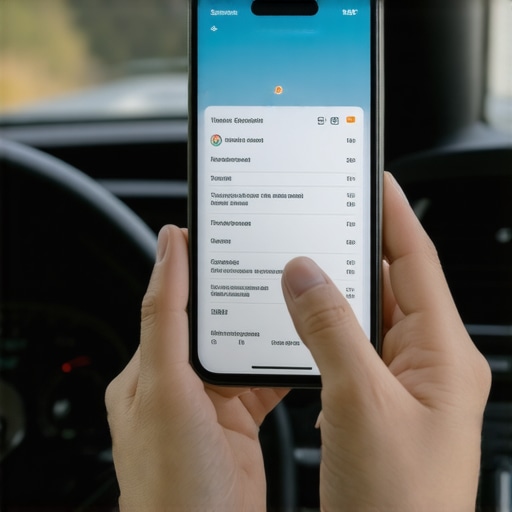
I was standing on the curb at O’Hare at 11 PM, the freezing wind whipping through my coat, feeling pretty good about myself. I’d booked a car in advance, the driver was on time, and the ride into the city was actually peaceful. Then the email hit my phone while I was unpacking. My “fixed” quote of $120 had morphed into a $195 monster. I saw charges for things I didn’t even recognize—administrative fees, a “surface transportation charge,” and a fuel surcharge that seemed calculated for a rocket ship rather than a black sedan. It felt like a total betrayal of trust. I realized then that being a “good passenger” who tips well wasn’t enough; I had to become my own auditor.
That Sinking Feeling When the Receipt Doesn’t Match the Quote
If you have ever stared at your credit card statement and wondered if you accidentally bought the car instead of just renting a seat in it, you are definitely not alone. My biggest mistake early on was thinking that a verbal “it’ll be around a hundred bucks” was as good as a signed contract. It isn’t. I once failed to check the no-penalty policy before a big event, and I ended up paying for a “no-show” fee on a ride I actually took because the driver’s GPS glitched! Today, I’m going to pull back the curtain and show you exactly how to dissect those confusing line items so you never overpay for your reservation again. We’re going to look at why fixed hourly rates usually beat the metered chaos of on-demand apps and how to spot the “fluff” that companies add when they think you aren’t looking at the fine print. [IMAGE_PLACEHOLDER]
Is it actually possible to get a straight answer on pricing?
I get it—the skepticism is real. Most people think “hidden fees” are just an inevitable part of modern travel, like middle seats or overpriced airport coffee. But it doesn’t have to be that way if you know what to ask. According to data from the Global Business Travel Association (GBTA), ancillary fees can inflate corporate travel costs by nearly 15% when left unchecked. That is a significant chunk of money to leave on the table just because a digital receipt is hard to read. Have you ever felt like you were being charged for the driver’s lunch without ever being invited to the table?
Find the Sneaky Surcharges Before They Find Your Wallet
The first thing you need to do is stop looking at the bottom line and start looking at the internal math. A safety-conscious, professional service should be transparent, but even the best ones have automated systems that sometimes “glitch” in their favor during peak hours. One time, I was hit with a massive waiting fee because the driver was using the 12-minute rule for airport pickups incorrectly—he started the clock while I was still waiting at the luggage carousel! If you don’t demand a physical copy or at least a detailed digital breakdown of your hourly service at the moment of booking, you’re essentially giving the company a blank check. We need to make sure the “convenience” of your ride isn’t just a mask for a messy, bloated invoice. In the next section, I’ll walk you through the three specific line items that are almost always negotiable or flat-out incorrect, so you can call them out before you hit ‘pay’.
Demand a Confirmation That Actually Protects You
I once spent twenty minutes arguing with a dispatcher in Miami because they claimed I’d requested a premium SUV when I clearly booked a sedan. Without a paper trail, it was my word against their system. Now, I never close my browser until I have a detailed receipt that includes the specific vehicle type and a breakdown of every potential surcharge. You need to look for why your booking confirmation should always include a photo of the vehicle class or even the specific car. This isn’t just about vanity; it’s about ensuring the safety and space you paid for actually show up on time. Think of your confirmation like a pre-flight checklist. If it’s missing the ‘all-inclusive’ language, you are essentially leaving the door open for those ‘fuel surcharges’ I mentioned earlier.
The Math of Hourly vs. Per-Mile Fares
Most people get tricked by the lower base price of metered apps, but for business or tight schedules, the hidden math behind why hourly chauffeurs save executives money is undeniable. When you pay by the hour, the driver isn’t incentivized to take the ‘scenic’ route or sit in traffic to inflate a meter. They are incentivized to be on time because their next reservation depends on it. I remember a trip in London where a metered cab turned a 30-minute dash into a 90-minute crawl. If I had booked an hourly service, I would have paid the same regardless of the gridlock. 
Audit the Vehicle Before You Sit Down
You don’t need to be a mechanic to spot a service that cuts corners. I have a simple rule: the windshield wiper test. If the wipers are streaky or the blades are falling apart, what does that say about the safety of the brakes or the tires? A professional fleet maintains the small things so the big things never fail. Before you hand over your luggage, take ten seconds to walk around the car. Check the plates and ensure you know the protocol for verifying your chauffeurs permit. It takes all of thirty seconds but saves you hours of potential headaches if things go south.
Protect Your Digital Footprint During Payment
Finally, let’s talk about the money. Never, and I mean never, give your credit card number over a phone call or an unencrypted text. I learned this the hard way when a ‘local’ driver in Vegas ‘lost’ his tablet and asked me to write my details on a notepad. Three days later, my card was buying electronics in another state. You must know how to verify your payment is processed via a secure gateway before you hit confirm. A legitimate service will always provide a secure, HTTPS-encrypted portal for your reservation. This is your first line of defense against identity theft in the travel industry.
Let’s dig deeper into the mechanics of high-end transit because what most people get wrong about being on time is thinking that a 0-minute margin is acceptable. In the world of professional chauffeuring, if your driver arrives exactly at the time of your reservation, they are technically late. A true expert practices ‘staging,’ which means the vehicle is parked and the driver is ready at least fifteen minutes prior to the pickup. I’ve found that the precise pickup window for ensuring you never wait on the curb is the single best metric for judging a company’s reliability. If they aren’t there early, they haven’t accounted for the variables that actually matter.
Stop Trusting the GPS App Blindly
Most travelers believe that a modern GPS provides the ultimate truth in timing, but that is a dangerous myth. Algorithms often fail to account for local nuances like ‘school run’ traffic or temporary construction that hasn’t hit the data feed yet. This is the specific way local knowledge beats GPS algorithm timing every single day. Experienced drivers know which side streets become bottlenecks and which highway exits to avoid during a rainy Tuesday. Researchers at the University of California have documented the ‘Urban Canyon’ effect, where skyscrapers reflect satellite signals, creating GPS errors that can make a driver appear to be blocks away when they are actually right in front of you. [IMAGE_PLACEHOLDER_C#]
Can you actually trust a real-time tracking map during a city gridlock?
It is a common frustration: you refresh the app, and the little car icon just spins in circles. I always warn my readers that the reason your real-time map sometimes lags in the city is often due to server-side latency rather than the driver’s actual movement. If you rely solely on the app without a human dispatcher to bridge the gap, you’re flying blind. This is why why on-demand apps often struggle with prompt airport pickups; they lack the human oversight to adjust for real-world chaos in real-time. Have you ever fallen into this trap where the map said two minutes for twenty minutes straight? Let me know in the comments.
The One-Way Booking Mistake That Leaves You Stranded
One of the biggest ‘oops’ factors I see with business travelers is the attempt to save a few dollars by booking individual one-way trips for an evening of meetings or a gala. They think they are being efficient, but why one-way bookings often lead to unnecessary stress for travelers becomes clear the moment an event runs late or a surge price hits. When you book an hourly service, you are essentially buying an insurance policy for your schedule. You aren’t just paying for the miles; you’re paying for the safety of knowing that the car is locked in and won’t leave to pick up another fare while you’re still finishing your dinner.
Verify the Human Behind the Wheel
Advanced safety goes beyond checking the tires. You need to ensure the person driving is physically capable of the task. A study by the AAA Foundation for Traffic Safety found that drowsy driving is a factor in approximately 21% of fatal crashes, yet few passengers know how to ensure your driver is not fatigued during a late night trip. A professional service has strict logbook requirements and shift limits. If a driver looks exhausted or mentions they’ve been ‘on the clock’ for twelve hours, that’s a red flag that overrides any reservation confirmation. Your life is worth more than the convenience of a quick ride home.
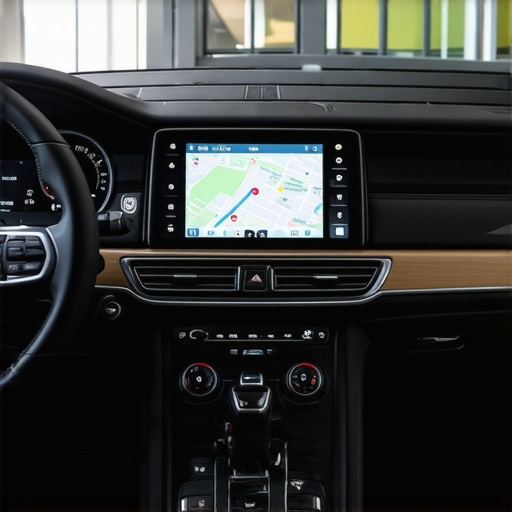
After years of crisscrossing the globe, I’ve moved past the ‘hope for the best’ stage of travel planning. Now, I rely on a specific toolkit that ensures I’m on time without the anxiety that usually plagues a complex itinerary. For starters, I’ve learned that a standard smartphone is often a liability rather than an asset for a professional driver. I personally look for services that explain why we use dedicated GPS hardware instead of smartphone apps. A phone is prone to overheating and notification-lag, while a dedicated unit built for telematics is engineered for precision and continuous signal strength in deep urban canyons. As noted in technical documentation from SAE International regarding J1939 protocols, the difference between consumer-grade GPS and commercial telematics is about more than just maps; it’s about the deep-data health of the vehicle itself.
Hardware Beats the App Every Single Time
When you are making a reservation for a high-stakes meeting, you want to know that the infrastructure behind the ride is industrial-strength. I always dig into the security protocols our booking software uses to protect you because the safety of your data is just as important as the safety of the car. If a company can’t explain how they encrypt your payment or trip history, they aren’t ready for your business. I’ve found that the best results come from systems that stay secure and punctual with these essential hourly reservation tips, ensuring that the hourly rate you pay includes top-tier digital protection alongside the physical comfort of the car.
How do I maintain these high standards over years of travel?
Maintenance isn’t just about oil changes; it’s about a mental framework for travel. I personally use the buffer time formula for city travel that actually works to ensure I am never the one holding up the schedule. This formula accounts for everything from traffic patterns to the time it takes to walk from a lobby to the curb. It’s about building a repeatable system where being on time is a mathematical certainty rather than a lucky break. I also recommend regularly reviewing your own trip history to spot patterns in delays. If you notice a certain route or time always causes stress, adjust your next reservation accordingly.
The Future is Geofenced and Highly Automated
Looking ahead, I see a shift where safety becomes even more proactive. We are already seeing why geofencing is the best way to keep your family safe during transit, allowing you to set digital boundaries that notify you the moment a vehicle enters or leaves a specific area. This technology is moving out of the cargo industry and into high-end passenger services, providing an extra layer of hourly oversight that didn’t exist a decade ago. I predict that within the next five years, your chauffeur service will be able to predict vehicle maintenance needs before a part even fails, virtually eliminating roadside breakdowns.
My advice? Don’t just settle for a ride. Next time you are reserving your spot, take a moment to ask the company what kind of telematics they use. It’s the fastest way to weed out the amateurs and ensure you’re booking with a pro who values your time and security. Give that specific question a try on your next trip—it’s a game-changer.
The Hard Truths About Travel Math That No One Admits
Over the years, I’ve realized that the difference between a stressful arrival and a seamless one often comes down to three tiny details. First, never trust a ‘guaranteed’ arrival time if the company hasn’t asked for your specific flight number; they need to track real-time delays to be on time. Second, I’ve learned through painful experience the danger of relying on verbal confirmations for important travel. If the details aren’t in a digital trail, they simply don’t exist when things go wrong. Finally, always look for technical safeguards rather than just fancy upholstery; for instance, I always ask why driver speed alerts are the backbone of passenger safety to ensure my chauffeur isn’t tempted to rush to make up for poor dispatch planning.
My Go-To Toolkit for a Flawless Commute
When I’m setting up a new reservation, I rely on a few specific tools to stay ahead of the curve. I always cross-reference my driver’s suggested route with local insights because I know why professional drivers avoid the shortest routes on GPS—they are looking for traffic flow and safety, not just the lowest mileage. I also strictly use services that can transparently explain how we secured our booking portal against personal data theft. My ‘must-have’ list includes a high-tier flight tracking app and a direct line to a human dispatcher, which provides a level of accountability that hourly on-demand apps just can’t match.
Take Back Control of Your Next Trip
Travel shouldn’t feel like a gamble where the house always wins. By shifting your mindset from ‘hiring a car’ to ‘securing a professional transit partner,’ you change the entire dynamic of your journey. When you prioritize safety and make a precise hourly reservation, you ensure you arrive on time without the cortisol spike that usually follows a long flight. It’s about more than just a comfortable seat; it’s about reclaiming your time and your peace of mind. What is the one thing that always stresses you out during an airport pickup? Let me know in the comments below.