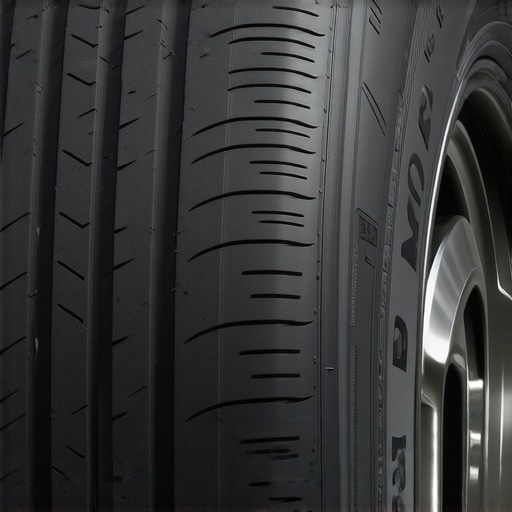
It was a chilly morning, and I was running late for an important meeting. As I hurried to unlock my car, I caught myself hesitating—a rare moment of doubt. The creak of unfamiliar suspension and the subtle vibrations from underneath made me realize that despite the shiny exterior, my vehicle was not as ready as I thought. That subtle, almost subconscious sign—a tiny, overlooked detail—became my revelation. It was then I discovered the one physical marker that genuinely proves a vehicle is well maintained. Today, I want to share this insight with you, because understanding this marker could save you from roadside surprises or safety hazards.
Why One Small Detail Matters More Than You Think
As many car owners, I used to focus on shiny paint jobs, new tires, and flawless interiors. But a well-maintained vehicle hides its health in a much simpler aspect—something I had missed early on. That tiny, often ignored physical marker can tell you if your vehicle is truly in good shape for the road, especially when safety and punctuality are on the line. Recognizing this subtle cue can be the difference between a smooth ride and a breakdown.
Let’s face it—most of us are guilty of trusting appearances over substance. I was no different. My mistake was neglecting to check what I now call the “maintenance wear indicator”—a small but telling aspect that reveals the true state of your vehicle. Interestingly, experts affirm that physical markers like this can be more telling than complex diagnostics. According to a recent study, ensuring basic physical checks can drastically reduce vehicle failures, making roadside emergencies less likely and ensuring on-time arrivals, which are critical for those relying on punctual transportation.
If you’ve ever faced an unexpected delay or, worse, a breakdown just before an important event, you understand how crucial this knowledge can be. Stay tuned as we unpack the specific physical sign I now scrutinize before every ride, and I’ll show you how to spot it yourself—no technical jargon required. Want to avoid last-minute surprises? Let’s start with this simple but powerful indicator that provides peace of mind every time you hit the road.
Check Tire Tread Depth Regularly
Begin by visually inspecting your tires for adequate tread depth. Use a simple tread depth gauge or the penny test—place a penny into the tire’s tread with Lincoln’s head facing down. If you can see the top of Lincoln’s head, it’s time for new tires. Maintaining proper tire tread improves safety by ensuring adequate grip, especially in wet conditions. I once ignored this step and ended up skidding on a rain-soaked road, which highlighted the importance of this simple check. Incorporate this into your weekly routine to prevent surprises and keep your vehicle safety-focused.
Secure Valve Stem Caps
Next, ensure all valve stem caps are in place. These caps prevent dirt and moisture from entering the valve, which can cause slow leaks. I made the mistake of neglecting this, leading to sudden air loss during a long trip. Regularly securing caps is like sealing a bottle—protecting your air supply and saving you from uneventful roadside fixes. A quick visual check during tire inspection guarantees this small detail isn’t overlooked, maintaining your vehicle’s optimal pressure and safety.
Assess Brake Pad Thickness
Moving to the brakes, gently pass your finger over the rotor’s surface—no need for tools here. If you hear squeaking or feel vibrations when braking, it might indicate worn brake pads. Check the pad thickness; if it’s less than a quarter-inch, plan to replace them soon. During a recent drive, I caught the faint squeal and replaced my pads preemptively, avoiding a potential brake failure. This physical check is simple and effective, directly relating to your safety and vehicle reliability.
Monitor Fluid Levels
Check the dipstick for engine oil, coolant, and brake fluid. Low levels can cause engine overheating or brake failure. I once ignored coolant levels, which led to overheating on a long drive—an avoidable mistake with just a few seconds of visual inspection. Keeping fluids topped up ensures smooth operation and early detection of leaks or burns. Make this a monthly habit to sustain vehicle health without expensive repairs or breakdowns.
Inspect Suspension Components
Gently press down on each corner of your car; it should rebound smoothly without excessive bouncing. Worn shocks or struts compromise handling and safety. I felt a strange wobble during a turn, prompting an inspection that revealed a worn shock absorber. Replacing it restored stability and comfort, proving that physical evaluation of suspension can catch issues before they escalate. Regularly feeling for unusual noises or movement helps you detect problems early and keep your vehicle dependable.
Examine Lighting and Reflectors
Finally, walk around your vehicle to verify that all lights—headlights, brake, turn signals—are operational and reflectors are clean. During a routine check, I discovered a blown tail light, risking safety and legal issues. Replacing bulbs is straightforward, and ensuring optimal visibility at night or bad weather conditions prevents accidents and keeps you compliant with traffic laws. Incorporate this visual check into your pre-trip routine for peace of mind and safety assurance.
When it comes to hourly reservations and ensuring on-time arrivals, many people rely on common assumptions that can actually lead to costly mistakes. One widespread myth is that reserving a ride an hour before your appointment guarantees punctuality. In reality, despite advanced scheduling systems, unforeseen variables like traffic fluctuations or driver availability can still cause delays, especially if your reservation isn’t carefully managed through trusted platforms. According to transportation experts, overestimating the reliability of standard booking processes can put you at risk of missing critical deadlines; for instance, studies by urban mobility researchers highlight that proactive buffer times and real-time adjustments significantly improve punctuality—more than just a simple reservation window.
An advanced trap many fall into involves overlooking the importance of securing your reservation with proper verification. Simply booking isn’t enough; you need to confirm your driver’s identity and connection in advance to prevent scams or last-minute cancellations, which are more common than expected in less secure systems. This is why understanding how to guarantee a safe, on-time ride is crucial—many platforms now incorporate verification protocols that ensure both safety and efficiency, and ignoring these can lead to increased stress and missed commitments.
How does real-time tracking influence safety and reliability in hourly reservations?
Real-time tracking isn’t just about knowing where your driver is; it’s an essential safety feature that allows passengers to monitor their ride’s progress and respond quickly to unforeseen delays or route deviations. Studies from transportation safety journals show that platforms with integrated live tracking reduce late arrivals by up to 30%, enhancing overall reliability. This technology empowers passengers with transparency and control, but many booking systems still neglect to highlight its benefits, leading users to miss out on critical safety assurance. Recognizing and leveraging real-time updates can thus be a game-changer, ensuring peace of mind from booking to arrival.
Remember, the differences between a standard reservation and a truly reliable, safe experience hinge on nuanced practices—like confirming driver identities, understanding traffic patterns, and utilizing live tracking. Don’t fall into the trap of complacency with basic pre-booking; instead, embrace a strategic approach that prioritizes both safety and punctuality. For a comprehensive guide on optimizing your reservations, check out [Ensuring Safety First: Your Guide to On-Time Reservations at Any Hour](https://privatedriverpro.com/ensuring-safety-first-your-guide-to-on-time-reservations-at-any-hour).
Have you ever fallen into this trap? Let me know in the comments.
Maintaining a seamless transportation operation requires more than just good intentions; it demands the right tools and meticulous methods. I personally rely on a combination of hardware and software solutions designed to ensure punctuality, safety, and long-term efficiency. These tools have been pivotal in my experience managing hourly reservations and ensuring reliable service for clients and personal use alike.
Why I Choose Dedicated GPS Devices Over Smartphone Apps
While many assume smartphone apps are sufficient, I prefer dedicated GPS units like the Garmin Dezl series. These devices provide real-time traffic updates, route optimization, and emergency alerts without the interruptions of notifications or battery concerns typical with phones. The stability and reliability of dedicated units make them indispensable, especially when precise timing is critical. As traffic patterns evolve, I update my GPS firmware regularly to incorporate the latest algorithms and map data, ensuring accurate ETA predictions and safer routing.
How I Use Advanced Reservation Platforms to Streamline Scheduling
Automation is essential for scalability. I utilize platforms like our reservation management system which integrates with calendar apps and email, providing instant confirmation, time adjustments, and driver assignment. This reduces manual errors and ensures my reservations are on time, every time. The system’s ability to handle last-minute changes and send automated alerts keeps clients informed and reduces stress. For those serious about scaling their operation, investing in a robust reservation software is non-negotiable.
The Power of Real-Time Monitoring and Communication
Real-time tracking systems like Live driver tracking paired with instant messaging ensure I can intervene if delays occur. I recommend hardware like the Fleetistics tracker, which offers geofencing alerts and detailed logs. This combination allows proactive management of pickups and drop-offs, reducing waiting times and enhancing safety. As the industry moves toward smarter logistics, these technologies will become foundational for on-time, safe service.
Predicting Future Trends in Transportation Tools
Looking ahead, I anticipate AI-driven route optimization and biometric verification becoming standard. These innovations will further reduce human error and enhance security, making long-term operations more sustainable. Companies that adopt these technologies early will likely enjoy increased trust, safety, and efficiency. Staying ahead means continuously evaluating and upgrading your toolkit, leveraging the latest advances in navigation, reservation, and monitoring systems.
How do I keep these tools functioning effectively over time?
Regular maintenance and updates are vital. Firmware for GPS devices should be checked monthly, while reservation platforms need continuous integration and backup testing. Investing in high-quality hardware minimizes downtime, and periodic retraining ensures you and your staff can fully utilize software features. Also, establishing a routine inspection—like reviewing logs and tracking data—helps catch issues early, ensuring your operation remains reliable and punctual. If you want to improve your reservation accuracy and safety margins, I highly recommend trying the advanced geofencing tips I’ve shared here. It’s a game-changer for proactive management.
Reflecting on my journey with hourly reservations, I realize that the most profound lessons often come from overlooked details. These subtle insights have transformed my approach, turning cautious planning into confident execution. The real breakthrough was recognizing that physical markers—tiny, sometimes dismissed—hold the key to unlocking unparalleled safety and punctuality.
Lessons from the Trenches That Could Save Your Day
- Trust Simplicity Over Complexity: In a world obsessed with the latest tech, I found my greatest reliability in physical checks—like inspecting tire tread or ensuring all lights function—before each ride. These straightforward steps prevent surprises that complex diagnostics might miss.
- Learn to Read Your Vehicle Like a Book: Recognizing signs such as vibrations or unusual noises became my instinct. These cues, often dismissed, proved invaluable in preempting breakdowns and ensuring safety. It’s about cultivating a personal radar that alerts you before trouble erupts.
- Prioritize Routine, Not Just Repairs: Regular physical inspections, even in busy schedules, reinforce safety habits. They serve as a mental checklist, making safety second nature and reducing reliance on costly diagnostics or repairs.
- Approve Investments in Reliability: Tools like dedicated GPS devices or high-quality tracking systems, trusted for their precision, shifted my confidence from hope to certainty. Upgrading your toolkit is an investment in peace of mind, especially in managing critical hourly reservations.
My Go-To Resources That Keep Me Ahead
- Ensuring Safety and Punctuality: This cornerstone guide offers in-depth strategies that I personally rely on, blending practical checks with technology to keep reservations on track.
- Mastering On-Time Arrivals: A comprehensive platform that helps streamline scheduling and monitor real-time changes, crucial for a seamless hourly service.
- The 6-Minute Rule: An easy-to-apply tactic that ensures punctual pickups, minimizing stress and last-minute rushes, keeping safety at the forefront.
Own Your Safety: Take Action Today
The secret to professional, safe hourly reservations lies in your hands. The small physical markers you observe daily can be the difference between a smooth ride and an emergency. Embracing a routine that centers on these details cultivates confidence—to yourself, your clients, and your own peace of mind.
Now is the moment to prioritize these practices, refine your toolkit, and commit to excellence. The future of reliable, safe hourly reservations belongs to those willing to pay attention to the tiniest cues—because in this game, details aren’t just details; they’re your safety net.
What physical marker have you overlooked that made a significant difference in your ride safety? Share your stories below and let’s learn from each other’s experiences!