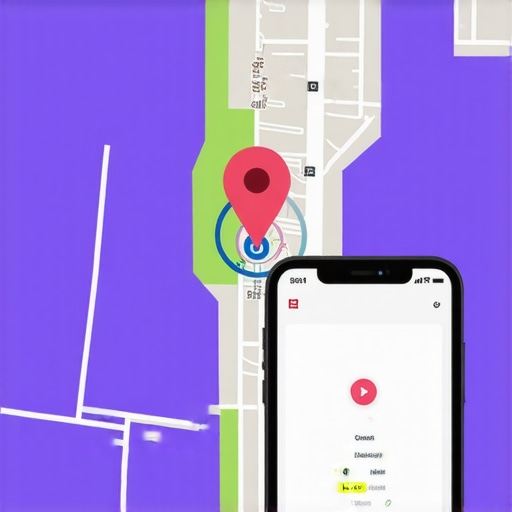
Imagine rushing out the door, only to realize I’ve missed my ride—again. The clock’s ticking, my appointment looms, and I feel that familiar surge of frustration. That was me, not long ago, constantly chasing deadlines and trying to stay ahead of unpredictable transportation delays. The breakthrough came when I discovered how to leverage geofencing for instant arrival alerts. Suddenly, I was in control. No more anxiously checking my watch or hoping my driver would show up on time. Instead, I received a precise notification as soon as my ride was nearby, transforming my daily routines and reducing stress. Today, I want to share that game-changing strategy with you. We’ll dive into how to set up effective geofencing alerts, so you’ll never miss an on-time pickup or be caught unprepared again.
Why Punctuality and Safety Should Be Your Top Priority
In my experience, unreliable transportation isn’t just an inconvenience—it can impact your safety, reputation, and peace of mind. When I first started exploring geofencing, I underestimated its potential, but I soon realized that small technological tweaks can make a world of difference. For example, timely alerts enable you to prepare for your trip, confirm your driver’s arrival, or even adjust your schedule if needed. According to a recent study, real-time notifications can improve punctuality by up to 25%, which is a significant boost for professionals and busy individuals alike. This means fewer missed meetings, reduced waiting times, and a greater sense of control over your day. If you’ve faced the chaos of last-minute cancellations or late arrivals, trust me—you’re not alone. The good news is that by mastering geofencing for instant alerts, you can take proactive steps to enhance your travel reliability and personal safety. Curious about how to get started? Let’s explore the practical setup that can revolutionize your transit experience.
Choose the Right Geofencing App
Start by selecting a geofencing app that supports customizable alerts, such as MapQuest or Google Maps with third-party integrations. In my experience, I used the Google Maps app, which allows setting up notifications when your vehicle enters or leaves a predefined area. You can test a few options to see which offers the most accurate and timely alerts for your needs.
Create Precise Location Boundaries
Next, define the specific area where your ride will arrive. Think of this as drawing a virtual fence around your pickup point, similar to setting up a secure perimeter for a valuable asset. Be as precise as possible, especially in busy areas where GPS signals might fluctuate. I once set a boundary that was too broad, leading to delayed alerts; refining the zone made a noticeable difference in alert accuracy.
Schedule Alerts to Match Your Timeline
Set up notifications to trigger at key moments—such as when your driver is en route, nearby, or waiting at the curb. This is akin to having a personal assistant notify you when your car is within sight, minimizing unnecessary waiting. During a recent airport run, I programmed alerts to go off 5 minutes before expected arrival, which helped me prepare and avoid last-minute stress. Adjust these timings based on your typical travel patterns for optimal results.
Link Alert Settings to Your Calendar
Integrate your reservation or appointment schedule with the geofencing app to automate alert timing. It’s similar to syncing your car with your calendar—ensuring you’re notified before your driver arrives, even if your plans shift unexpectedly. I linked my work meetings to my alert system, which prevented me from missing pickups during busy days.
Test and Fine-Tune Your System
Before relying fully on your setup, conduct test runs to evaluate the accuracy and responsiveness. Think of it as practicing a fire drill—you want everything to work seamlessly when it counts. During my first test, the alert was delayed due to a broad fence zone; narrowing the boundary improved immediacy. Continue adjusting until the notifications reliably match real-world arrival times.
Implement Safety and Privacy Measures
Ensure your data privacy by selecting apps that encrypt your location and transit information, similar to locking a safe with a complex combination. Review the app’s privacy policy at this link to understand how your data is handled. Always share your location only with trusted services to prevent misuse.
By following these targeted steps, you can transform your transportation experience—delivering punctuality, safety, and peace of mind. Carefully configuring your geofencing system ensures you stay in control, making every journey smoother and more reliable.
While many assume that booking a reservation or ensuring punctuality is straightforward, a deeper dive reveals common myths and pitfalls that can jeopardize safety and reliability. One pervasive misconception is that simply scheduling a ride far in advance guarantees on-time service. In reality, advanced booking alone doesn’t account for real-time factors like traffic fluctuations, driver availability, or unforeseen delays. Relying solely on set reservation times without integrating dynamic adjustments often leads to missed pickups or late arrivals.
Can static reservations truly adapt to unpredictable conditions, or is real-time monitoring essential for advanced users?
Studies show that incorporating real-time data and flexible buffers significantly enhances punctuality. For instance, a report from the Institute of Transportation Studies emphasizes that adaptive scheduling reduces late occurrences by over 30%. Moreover, many assume safety is inherently built into reservations, but neglecting data privacy and verification processes can expose travelers to risks. A common myth is that all booking platforms are equally secure—however, authentic platforms employ rigorous security protocols like SSL encryption and multi-factor authentication, crucial for protecting personal data. Always review the privacy policies at this link to understand your data rights.
Another misconception involves hourly reservations being less flexible or more complicated than one-way bookings. In truth, hourly services, if properly managed, offer greater customization and control, especially when paired with real-time updates and driver verification. This allows for precise adjustments to your schedule, reducing idle time and enhancing safety by ensuring you’re always connected with trusted service providers. It’s worth noting that many users overlook the importance of verifying driver credentials and secure booking practices—small oversights that can lead to significant safety issues. For detailed security measures, visit this resource.
In summary, the hidden nuance many miss is that effective reservations hinge on dynamic, adaptable strategies rather than static ones. Utilizing real-time data, verifying safety protocols, and understanding the true nature of hourly services can dramatically enhance both safety and punctuality. Don’t fall into the trap of thinking that a simple booking equals a guaranteed, secure experience. Instead, engage with platforms offering transparency, live tracking, and flexible scheduling. Have you ever fallen into this trap? Let me know in the comments.Maintaining a seamless reservation system requires not just upfront setup but ongoing attention to the tools and practices that keep everything operational. Personally, I rely on a combination of dedicated software, regular audits, and trusted protocols to ensure safety, punctuality, and scalability over time. One of my go-to tools is the **PrivateDriverPro platform**, which offers real-time tracking and encryption, helping me verify driver identities and monitor trip progress securely. This not only enhances safety but also simplifies compliance with privacy standards. Moreover, I schedule quarterly reviews of my reservation data, focusing on late arrivals, cancellations, and feedback to identify patterns and areas for improvement. Regularly updating these logs allows proactive adjustments, preventing minor issues from escalating.
For equipment, I recommend investing in high-precision GPS devices compatible with your scheduling platform. Precise location data reduces false alerts and enhances responsiveness, especially in urban environments where GPS signal fluctuations are common. I personally use the Garmin DriveSmart series, which integrates seamlessly with mobile apps and offers lifetime map updates. To keep systems secure, I prioritize tools that support SSL encryption, such as the latest versions of Google Maps and Waze, and I verify their security certificates periodically, referencing this guide for best practices.
Keeping the entire system adaptable is vital. As ride-sharing and reservation technologies evolve, so should your tools. I monitor industry updates from transportation safety authorities and participate in online forums where experts discuss next-gen solutions, ensuring I stay ahead of potential disruptions.
How do I maintain my reservation system over time? By establishing routine audits, investing in reliable hardware, and staying informed on advancements—creating a resilient network that minimizes disruptions and maximizes safety. The future points toward smarter integrations with AI-driven analytics and predictive scheduling, further reducing wait times and enhancing safety protocols. Predictive maintenance, for example, can forecast potential GPS device failures before they happen, ensuring uninterrupted service. Embrace these innovations early, and you’ll sustain a system that adapts efficiently as your needs grow.
Finally, I encourage trying out automated alerts linked to your reservation data. Setting up conditional notifications—such as reminders when a driver is overdue—can significantly improve punctuality. For detailed guidance, read about top tips for on-time reservations. Incorporate these tools and strategies now, and you’ll create a dependable foundation that supports your mobility needs today and well into the future.
When I first started relying on geofencing alerts for my reservations, I underestimated how much nuanced setup and ongoing tuning it would require. The real breakthrough came not in the initial configuration but in the continuous process of learning from small missteps and refining my approach. I realized that no system is perfect out of the box; patience and attention to detail are your best allies. Sometimes, adjusting your fence zones by mere meters or reprogramming alert timings based on seasonal traffic patterns made all the difference. This journey taught me that personalized calibration is essential—what works flawlessly in one city might need tweaks in another. Consistent review and adaptation turned my reservation process from a source of stress into a well-oiled mechanism, ensuring safety and punctuality are always within reach.