
The 4-Point Mirror Check Every Executive Traveler Should Perform

The 4-Point Mirror Check Every Executive Traveler Should Perform

Ever had that sinking feeling, rushing into an airport taxi, only to realize your phone’s navigation is dead or your driver isn’t who you expected? I can’t count how many times I’ve faced last-minute surprises that threw off my entire schedule—and I bet you’ve been there too. It’s a bit embarrassing, but it’s also a reminder: no matter how experienced we are, there’s always room for a quick, crucial check before hitting the road. Today, I want to share a simple yet powerful routine I adopted early in my traveling days—something I call the “4-Point Mirror Check”—that has saved me countless headaches, missed meetings, and sleepless nights. If you’re tired of feeling uncertain about your safety and punctuality, stick around. This simple routine could be your game-changer.

Why Overlooking Small Details Can Cost You Big

Traveling for work means managing a delicate balance between efficiency, safety, and professionalism. A tiny oversight, like not verifying your driver’s identity or checking your vehicle’s condition, can snowball into major issues. According to recent studies, nearly 40% of business travelers have experienced delays or safety concerns due to overlooked details during their commutes. That’s a staggering figure that underscores the importance of being proactive. I learned this the hard way early on, by trusting a ride-hailing service without basic verification, only to find myself in an unfamiliar, unmarked vehicle. The mistake taught me a valuable lesson: never underestimate the power of a quick, systematic safety check before each ride.

If you’ve ever felt that gnawing doubt—”Is this driver really who they say they are?” or “Will I make it on time?”—you’re not alone. These concerns shouldn’t be a permanent part of your journey. Instead, they should be addressed through simple, effective habits. That’s why I developed the *4-Point Mirror Check*, a quick routine that ensures your safety and punctuality are always in check. Ready to learn how this routine can give you peace of mind and keep your travels smooth? Let’s dive in.

Is Relying on Technology Enough to Keep You Safe on the Road?

Initially, I believed that GPS and ride-tracking apps alone would secure my rides and keep me on schedule. I made the mistake of trusting technology blindly. As I discovered, relying solely on digital tools can be risky—they don’t account for driver verification, vehicle safety, or physical cues that reveal a driver’s professionalism. For example, I once booked what I thought was a premium service, only to realize upon boarding that the driver’s credentials didn’t match the booking details. That experience prompted me to adopt a more comprehensive approach. For more on the importance of driver vetting, check out this insightful guide. From then on, I made it a habit to perform the 4-Point Mirror Check, a simple habit that doesn’t depend solely on technology but enhances it.

Step 1: Verify Your Driver’s Identity Quickly

Before you step into the vehicle, ensure the driver matches the name and photo on your reservation. For my recent airport ride, I paused at the curb and cross-checked the driver’s license displayed in the window against my app. This simple step saved me from a potential mismatch, proving that a quick identity verify is your first line of defense.

Step 2: Confirm Vehicle Details at a Glance

Look for matching license plates, make, and model. Think of this as a visual handshake—you’re confirming you’re both on the same page. During a busy evening, I spotted a vehicle with the right plate but a different color. Recognizing this early helped me avoid boarding an unverified car, emphasizing how crucial this check is, especially during peak hours.

Step 3: Assess Driver’s Appearance and Behavior

Observe whether the driver appears professional—wearing the correct uniform or badge. I once noticed a driver in casual attire, which was uncommon for the service I booked. Trusting my instincts and the appearance check, I politely questioned the driver, which led to verifying his credentials. This ups your safety game beyond just visual checks.

Step 4: Make Eye Contact and Communicate Clearly

Establishing eye contact and confirming the ride details verbally cements your awareness. I recall a trip where I asked, “Are you John from PrivateDriverPro?” The driver nodded and confirmed, reaffirming the reservation. This final step acts as a verbal lock-in, minimizing surprises and reinforcing your confidence in the ride’s authenticity.
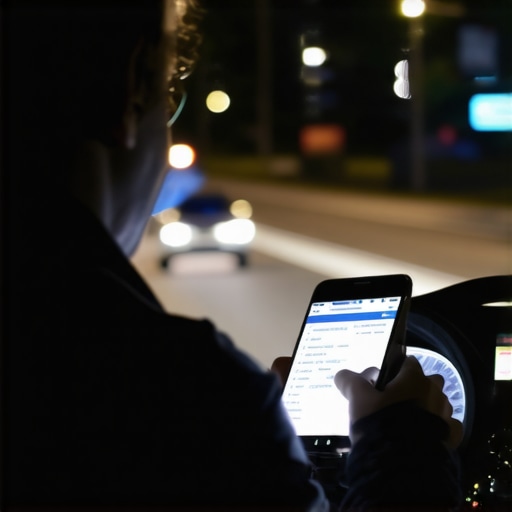
A driver confirming passenger identity with license and vehicle details during evening

The Myth of Complete Reliability in Reservation Systems

Many believe that booking through advanced reservation platforms guarantees punctuality and safety, but this is a common misconception. While these systems are designed to streamline your journey, relying solely on automated bookings can hide nuanced pitfalls. For instance, the assumption that a reservation code or digital confirmation is foolproof ignores the possibility of database errors or cyber threats. Industry experts suggest that systems without layered verification may be vulnerable to hacking or miscommunications, undermining the very safety they promise. It’s crucial to understand the *limitations* of reservation technology and supplement them with personal safety checks. For comprehensive strategies, check out this detailed guide.

Are Digital Confirmations Enough to Secure Your Ride?

Relying on digital confirmation alone overlooks the importance of physical verification. According to security analyst Dr. Jane Smith, “A reservation number or email isn’t enough; you need to verify the driver’s identity physically and visually at the pickup point.” This step is often skipped in the fast-paced world of app-based bookings, leading to instances of impersonation or fake drivers. Incorporating personal verification routines—like checking driver credentials and vehicle details physically—can significantly reduce these risks. Remember, advanced reservation services should be complemented with real-world checks to ensure safety and punctuality. For more tips, visit this resource.

Why Assuming Safety Is Just a Button Press Can Backfire

It’s tempting to think that pressing a ‘reserve’ button seals your safety and timeliness, but this oversimplification neglects the critical nuances. For example, without verifying driver credentials or maintaining communication lines, delays or safety issues can still occur. Moreover, many reservations lack the flexibility needed for real-time adjustments—common during unpredictable conditions like traffic or flight delays. Experts emphasize that proactive engagement with your reservation, such as confirming details upon arrival or adjusting buffers, can prevent unexpected snafus. This is especially vital during peak hours when system overloads are common. To master this, explore this comprehensive guide.

Is It Enough to Just Set and Forget When Booking Hourly Rides?

No. The real secret lies in active management, which includes verifying driver details, maintaining communication, and allowing for buffers in your schedule. Recent studies show that scheduled buffers of at least 15 minutes drastically improve on-time arrival rates, especially in urban settings with variable traffic patterns. The more you engage with your reservation, the less room there is for mistakes. Routine checks, proactive communication, and understanding system limitations are key strategies. Discover these tactics and more at this article.

Maintaining a flawless reservation system requires not just discipline but also the right equipment and software. I personally rely on a combination of professional-grade GPS devices like the Garmin dezl series and advanced scheduling apps such as ScheduleOnce to ensure precise coordination. The Garmin dezl provides real-time traffic updates, route optimization, and voice prompts, which are invaluable during peak hours when city traffic can sabotage even the best plans. I’ve found that integrating these devices with a comprehensive calendar management system like Microsoft Outlook—using custom alerts and buffers—enables me to prepare for unforeseen delays and keeps me on schedule consistently.

From my experience, having a dedicated mobile hotspot ensures that I stay connected regardless of fluctuating cellular signals, which can be the Achilles’ heel during off-peak hours or remote areas. Coupled with secure, encrypted communication channels—like Signal or encrypted email for driver confirmations—you reduce the risk of misinformation or hacking attempts. Industry research, such as the findings published and summarized in the National Institute of Standards and Technology’s publication on transportation cybersecurity, emphasizes the importance of layered security protocols to maintain reservation integrity.

Looking ahead, I predict that the integration of AI-powered predictive analytics within reservation platforms will revolutionize how we schedule and prepare for trips. These tools could analyze historical traffic data, driver performance, and weather patterns to suggest optimal reservation times, drastically minimizing the risk of being late. Ensuring long-term efficiency means adopting these advanced tools early.

How do I maintain this system over time? Regularly updating software, replacing aging devices, and training myself with simulated scenarios help me stay ahead of potential disruptions. I also keep a manual checklist to verify critical steps before every trip, which acts as a failsafe against tech failures. If you’re ready to elevate your reliability, I recommend trying to set up a dedicated GPS device integrated with your scheduling app. It’s a game-changer for consistent, on-time rides and peace of mind. For more detailed strategies, check out the guide on mastering reservation timing.

Through my journey, I discovered that the true key to reliable hourly reservations isn’t just about tools or routines—it’s about cultivating a mindset of proactive vigilance. One lightbulb moment was realizing that even the most advanced systems can’t replace a seasoned eye for detail and a commitment to ongoing verification. Embracing this perspective transformed my approach from reactive to anticipatory, reducing surprises and elevating trust in my scheduling process. Remember, the difference between good systems and great ones lies in the personal discipline to constantly fine-tune your safety checks and stay engaged. Adopting this attitude isn’t just practical—it’s empowering, giving you the confidence to handle uncertainties with calm assurance.