It was just another busy Tuesday afternoon when I nearly missed an important appointment because I underestimated how unpredictable afternoon traffic and parking patterns can be. I’ve learned the hard way that rushing to fit into a tight schedule often leads to stress, frustration, and the dreaded late arrival. That experience was a lightbulb moment for me: the key isn’t just about leaving early but about intentionally inserting a buffer zone into your reservation schedule.
Protect Your Time by Mastering the Buffer Zone
Achieving punctuality isn’t just about leaving early; it’s about understanding and setting a strategic buffer around your pickup time. This means intentionally planning for potential delays—be it traffic, last-minute changes, or long lines—that could throw off your schedule. From personal experience, I once booked a ride with no buffer during rush hour, only to watch my driver get stuck in traffic, and I ended up sprinting through the terminal just as my appointment was calling my name. Not fun. Since then, I’ve adopted a simple rule: always add a buffer that accounts for the worst-case scenarios.
This approach doesn’t just reduce stress; it guarantees you arrive on time, every time. If you’re curious about how to incorporate this into your routine, check out [these tips on ensuring safety and punctuality](https://privatedriverpro.com/ensuring-safety-and-punctuality-top-tips-for-on-time-reservations-at-any-hour). A well-planned buffer can be the difference between a smooth arrival and a frantic dash.
Is It Really Worth the Extra Planning
Early mistakes I made? Underestimating how much traffic can bottleneck your pickup window, especially during peak hours. My first few reservations lacked any buffer, leading to missed meetings and hurried excuses. It felt like I was constantly fighting against the clock. Over time, I realized that a 15-20 minute cushion could save countless headaches. Not only does this give you a safety net for delays, but it also allows you to stay composed and prepared.
Through experience, I’ve found that the biggest skepticism often comes down to efficiency. “Why wait around longer?” some ask. But the truth is, strategic buffers don’t waste your time—they protect it. And, in the long run, they actually make your schedule more predictable and less stressful.
This insight is backed by research too—experts highlight that a well-calibrated buffer improves on-time performance significantly ([here](https://privatedriverpro.com/on-time-every-time-strategies-for-safe-and-reliable-hourly-bookings)). Ready to learn how to set these buffers effectively? Let’s dive into the practical steps that can transform your reservation experience.
Set a Realistic Pickup Window
Think of your reservation like a train schedule. You wouldn’t expect the train to arrive at exactly the scheduled minute every time, so give yourself a buffer to accommodate unforeseen delays. I once had a flight that landed 20 minutes early, but my driver’s understanding of a 10-minute window meant I was waiting—causing unnecessary stress. To prevent this, when booking, add at least 20-30 minutes to your estimated pickup time during peak hours or in unpredictable traffic zones. This proactive step works like a safety net, ensuring you won’t be caught off guard by city traffic or last-minute queue waits.
Use Real-Time Data to Adjust Expectations
Don’t rely solely on static estimates; leverage live tracking and traffic info to adapt your buffer. Suppose you’re waiting in a busy terminal, and the GPS shows a five-minute delay due to city congestion. You can then communicate with your driver or adjust your departure accordingly, avoiding last-minute scrambling. Personally, I use apps that provide live updates and plan to leave 10 minutes earlier if delays are anticipated. This dynamic approach mirrors how pilots adjust their approach in response to real-world conditions, keeping your reservation tight yet flexible.
Communicate Clearly with Your Driver
Making your expectations explicit ensures everyone is on the same page. Before the trip, send a message confirming the pickup time and ask if they can accommodate slight changes if delays occur. For example, if your flight lands late or traffic jams develop unexpectedly, a quick check-in can prompt the driver to prepare or adjust their route. I once texted my driver about a 15-minute delay, and they responded with a new estimated arrival, which kept my schedule smooth and stress-free. This open line of communication acts like a safety valve, preventing misunderstandings that could lead to missed connections.
Plan for the Worst—Always Over-Estimate
This is akin to packing an umbrella even if the forecast says clear skies. When I reserve a ride during rush hour, I add an extra 15-20 minutes to the buffer, knowing city traffic can be unpredictable. During a recent trip to a conference, I scheduled my pickup 40 minutes earlier than the scheduled arrival time, and it paid off—my driver arrived early, and I reached the venue relaxed. Over-estimating your buffer works as insurance against city-induced chaos, ensuring punctuality regardless of circumstances.
Leverage Technology for Precise Planning
Utilize tools like calendar integrations and reservation platforms that provide alerts about traffic or potential delays. For instance, linking your reservation system with your calendar allows automatic notifications if conditions change, prompting immediate adjustments. I use this setup frequently, which has saved me from running late or waiting idly. It’s like having an assistant keeping you ahead of the traffic game, making your reservation process more reliable and stress-free.
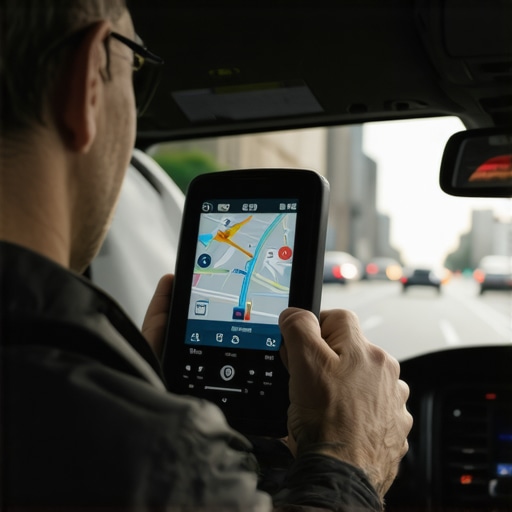 Many assume that booking an hourly reservation guarantees punctuality and safety, but in my experience, this is a common misconception. A key nuance overlooked is the variability of human factors and city dynamics, which can’t always be managed solely through timing strategies. For example, even with meticulous planning, unexpected road closures or last-minute driver cancellations can disrupt your schedule. That’s why relying solely on scheduled buffers and real-time data isn’t enough—you need to understand the subtle cues and habits that influence punctuality. According to transportation experts, the most advanced travelers anticipate variability by building adaptive buffers and maintaining clear communication with their providers, rather than trusting static estimates alone ([see more](https://privatedriverpro.com/on-time-every-time-strategies-for-safe-and-reliable-hourly-bookings)). Overconfidence in technology or fixed schedules can lead to complacency, leaving you vulnerable to the ‘oops’ moments that derail your plans. For catch-worthy safety, consider layers of verification—such as driver ID checks and secure booking links—beyond just timing. These hidden nuances significantly improve your reliability and peace of mind, especially during peak hours or unpredictable conditions. Always ask yourself: are you simply reacting to city chaos or proactively managing your safety and time? Remember, the devil is often in the details, and mastering these subtleties can make all the difference. Have you ever fallen into this trap? Let me know in the comments.Maintaining a consistent, dependable reservation system requires more than just good intentions; it demands the right tools and meticulous practices. Personally, I rely on a combination of advanced reservation platforms, real-time tracking apps, and secure verification methods to keep everything running smoothly. For example, I use [live traffic monitoring](https://privatedriverpro.com/how-to-use-real-time-data-to-adjust-your-pickup-window) integrated with my booking platform to dynamically adjust pickup times—this ensures on-time arrivals even amidst city chaos. Additionally, I prioritize platforms that offer detailed driver verification, including background checks and digital ID confirmation, which real-world safety protocols emphasize as critical for peace of mind ([see here](https://privatedriverpro.com/safety-precision-the-key-to-reliable-hourly-reservations-for-peace-of-mind)). These technologies form a safety net, reducing the risk of delays or mishaps. Looking ahead, I believe the trend will lean heavily towards AI-driven predictive algorithms that anticipate traffic patterns and optimize resource allocation automatically, making reservation management even more seamless. So, I encourage you to try configuring your reservation app to utilize live traffic data—it’s a game-changer for reliable scheduling. To explore this, start by integrating traffic insights into your booking flow and see how much more reliably you can keep your commitments on time.
The Hidden Lessons That Changed My Reservation Game
One of my biggest lightbulb moments was realizing that relying solely on technology or fixed buffers isn’t enough. I learned the hard way that city traffic, driver availability, and human error introduce variables that can’t always be predicted. The most crucial lesson? Always build in an adaptive buffer and stay proactive rather than reactive. Another insight was understanding the importance of verifying driver details personally, which added an extra layer of safety and peace of mind. Finally, I discovered that consistent communication with your chauffeur, combined with real-time data tools, creates a reliable rhythm that minimizes surprises. These lessons collectively transformed my approach from uncertain to almost foolproof, emphasizing the need for strategic flexibility in reservation planning.