
It was late evening, and I was rushing to make it to an important meeting downtown. As I pulled out of my driveway, I noticed something strange—my tail light was flickering. I shrugged it off, thinking it was just a minor glitch. But as I navigated through city traffic, it suddenly occurred to me—what if that light was out entirely by the time I reached my destination? Could I risk it? That lightless drive turned into a lightbulb moment for me about how neglecting basic vehicle checks can lead to serious trouble.
Why Checking Your Vehicle’s Exterior Lights Is a Simple Step with Big Consequences
Most drivers focus on the engine, tires, or fuel levels. But those tiny, often ignored exterior lights are the silent guardians of safety and compliance. If one burns out, it’s not just an inconvenience; it can be a legal issue or, worse, a safety risk on the road. A recent study found that a significant number of accidents in urban areas involve faulty vehicle lighting. Yet, many overlook this simple check—often because we assume everything is fine until a warning light or a crack appears.
Is Checking Lights Worth the Hassle?
Early on, I made the mistake of thinking a quick visual inspection was enough. Turns out, a single broken tail light is easy to overlook until it’s too late. By neglecting this simple task, I risked getting pulled over or causing an accident. That’s when I learned how crucial regular inspections are, especially before long trips or night drives. This small habit saved me from potential fines and, more importantly, from endangering myself and others.
If you’ve ever faced a late-night drive with a blinking or non-functioning light, you know how unsettling it can be. It’s a check that takes less than a minute but can significantly impact your safety and peace of mind. For trusted tips on how to keep your vehicle road-ready, check out this guide on reliable vehicle safety practices. Ready to learn the quick steps every driver should take before hitting the road? Let’s dive into the practical actions that can make a real difference.
Inspect Your Lights Before You Drive
Start by parking your vehicle in a well-lit area to get a clear view of all exterior lights. Turn on the ignition and activate the headlights, brake lights, turn signals, and reverse lights one by one. Walk around the vehicle to check if each light is functioning properly. This quick check is similar to inspecting a tool before starting work—simple, yet crucial to prevent failures on the road.
Use Your Phone to Verify Functionality
If you suspect a light isn’t working, use your phone camera’s flash or record mode to confirm. For example, park your vehicle against a reflective surface like a garage door or wall, then activate the lights and watch the recordings. I did this during a recent trip when the tail light looked dim. The video revealed it was flickering intermittently, prompting me to replace the bulb immediately, which saved me from a potential citation and a safety hazard.
Conduct a Visual Check for Damage
Physical damage like cracks or condensation inside the lens can impair visibility. Inspect each cover for chips or moisture. Damage can cause a light to malfunction or become less visible, especially at night. Think of it like checking your shoes before a run—unnoticed damage can cause discomfort or injury, so taking a moment to inspect prevents bigger problems later.
Clean the Light Lenses Regularly
Dirty or foggy lenses reduce the effectiveness of your lights. Wipe them with a clean microfiber cloth and a gentle cleaner. I once found my taillights barely visible because of accumulated dirt. After a quick clean, my visibility improved instantly, enhancing safety and ensuring I conform to legal standards.
Replace Burnt-Out Bulbs Promptly
Carrying spare bulbs can save time and stress. Refer to your vehicle’s manual to identify the correct type. When you notice a bulb isn’t working, replace it immediately. During a recent night drive, I had a tail light out. Instead of risking a ticket or accident, I carried a replacement bulb in my glove compartment. Swapping it took me less than five minutes, keeping me on schedule and safe.
Leverage Technology for Monitoring
Modern vehicles often offer warning indicators for exterior lights. Check your dashboard regularly and consult your manual to understand alert meanings. For older models, consider installing a simple light monitoring system that alerts you remotely if a bulb fails. This proactive approach is like having a personal safety assistant, alerting you to issues before they become serious.
Establish a Routine for Nightly Checks
Make inspecting your lights part of your evening routine, akin to brushing your teeth. A consistent habit ensures that lights are always checked before your trips. During a busy week, I committed to this routine every evening. It became second nature, preventing any surprises during late-night drives and reinforcing my commitment to safety and punctuality, which is especially vital for timely reservations at any hour (more tips here).
Keep a Maintenance Log
Document each inspection, bulb replacement, and repair. This helps track when the next maintenance should occur and provides proof of upkeep if questioned by authorities. I started a simple log on my phone, noting dates and actions taken. It gave me peace of mind and ensured my vehicle remained compliant and safe, especially during critical commitments like early morning flights or important meetings.
Remember, the key to safe driving isn’t just reacting to problems—it’s preventing them through regular, deliberate checks. Incorporate these steps into your routine and enjoy the peace of mind that comes with being proactive on the road.
Many believe that simply booking an hourly reservation guarantees punctuality and safety, but this assumption overlooks critical subtleties. A common myth is that relying solely on digital tracking and automated systems ensures perfect timing and security. However, experts warn that even the most sophisticated technology can’t replace nuanced human judgment and local knowledge, which often determine real-world outcomes.
For example, a study by the Transportation Research Board highlights how GPS data can be deceptive during urban traffic congestion, leading to misestimations of arrival times. Drivers and passengers who depend exclusively on apps or automated alerts risk facing unforeseen delays or safety issues.
Why do most reservations still fall short of ideal timing despite advanced tools?
One crucial reason is the overconfidence in technology’s accuracy. Many assume that a route calculated by GPS or real-time traffic updates accounts for all variables, but city landscapes, road works, and weather conditions can nullify digital predictions. Moreover, neglecting routine vehicle checks or local knowledge can cause delays or breakdowns, which no app can predict reliably.
It’s vital to understand that the human element—such as knowing the best back roads or adjusting for weather—remains indispensable. This is particularly true for high-stakes scenarios like airport pickups or time-sensitive meetings. Incorporating local knowledge and proactive communication with your driver can significantly enhance dependability, as detailed in articles about local knowledge surpassing GPS accuracy.
Another hidden nuance is the misconception that pre-scheduling alone ensures safety. While it reduces unpredictability, inadequate verification of the driver’s experience, vehicle safety, or reservation protocols can still lead to complications. Consequently, always verify your reservation’s security measures through trusted channels, such as this guide on booking safety.
In essence, achieving true punctuality and safety in hourly reservations demands a blend of cutting-edge technology, local insight, and diligent pre-trip checks. Relying solely on one element increases the risk of errors. Reflect on your booking habits: Are you overly dependent on apps, or do you incorporate local knowledge and routine safety checks? Oversights here are the real pitfalls. Learn more about vital safety routines.
Have you ever fallen into this trap? Let me know in the comments and share your experiences with balancing tech versus human judgment in reservations.
Investing in Reliable Equipment for Maintenance
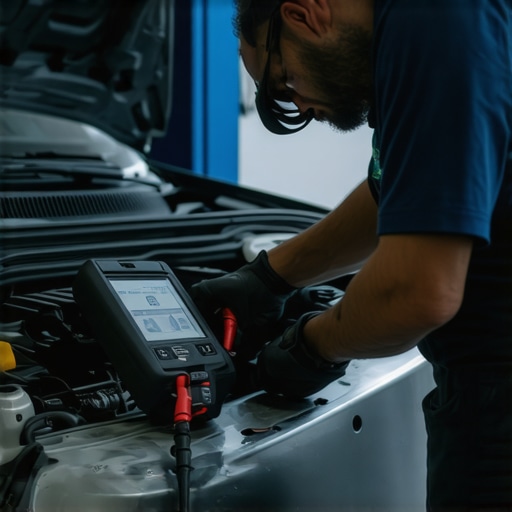
To ensure your vehicle remains safe and dependable, I personally rely on a high-quality OBD-II scanner like the BlueDriver Pro. It’s not just about reading error codes; it provides real-time data on engine health, emission systems, and sensor performance, allowing me to address issues before they escalate. Using this tool regularly has extended my vehicle’s lifespan and minimized unexpected breakdowns.
Why a Good Toyo Tire Pressure Gauge Matters
Maintaining proper tire pressure is crucial for safety and fuel efficiency. I prefer the Toyo digital gauge because of its precision and ease of use. Checking tire pressure weekly with this gauge helps me prevent blowouts and uneven tire wear, keeping my vehicle on schedule without risking safety. Accurate pressure management is essential for maintaining control, especially during long trips.
DIY Inspections and Monitoring Tools
Alongside physical checks, I utilize apps like Car Scanner ELM OBD2 for smartphone integration. It pairs with my OBD-II scanner, providing detailed diagnostics and alerts for potential issues, such as coolant temperature anomalies or brake system warnings. These tech tools allow me to proactively maintain my vehicle, avoiding costly repairs and ensuring on-time performance.
Prediction for Future Maintenance Technology
Looking ahead, I believe AI-driven predictive maintenance will become standard, analyzing data from various sensors to forecast failures days or weeks in advance. This evolution will make keeping vehicles operational even more efficient, reducing downtime and enhancing safety. Embracing these advancements now gives you a competitive edge in vehicle longevity and reliability.
How do I keep my vehicle running flawlessly over time?
Adopting a disciplined routine that combines advanced diagnostic tools, regular visual inspections, and proactive replacement schedules is key. For example, I schedule quarterly fluid checks and use monitoring apps to catch emerging issues early. Implementing such systematic habits has proven to me that consistency is vital for safety, on-time arrivals, and long-term vehicle performance. For detailed guidance on reservation timing and safety, visit this resource. Additionally, documenting your maintenance activities helps track your vehicle’s health and ensures compliance for professional riding services.
Remember, tools are only part of the game. Regular routine checks—especially before long trips—are essential. Maximize your reliability by integrating these tools into a maintenance schedule that suits your lifestyle. A simple but effective step is to calibrate your tire pressure weekly and keep a maintenance log, which can prevent most issues that threaten punctuality and safety.
Scaling Up Your Maintenance Efforts
If your vehicle supports it, consider installing a digital performance monitor. This system continuously tracks vital components and sends alerts directly to your smartphone, integrating seamlessly with modern maintenance routines. As technology advances, staying ahead of potential problems will become easier, ensuring consistent response times for reservations and safety checks—vital for busy professionals.
It’s Time to Take Control
Start by acquiring a quality OBD-II scanner and commit to weekly visual inspections. Use the data to plan preventive maintenance and avoid costly surprises. Incorporate these practices into your routine and enjoy stress-free, punctual travel. Want to learn more about maintaining your vehicle for optimal reservation safety? Reach out through our contact page and get personalized advice. Investing in the right tools today will guarantee your vehicle’s performance tomorrow.
What I Wish I Knew About Trusting Technology Over Human Insight
One of the most profound lessons I learned was that even the most sophisticated reservation apps rely heavily on algorithms and data that can sometimes deceive, especially in complex urban environments. For instance, I once booked a ride based solely on GPS estimates, only to find my driver was stuck in traffic while I was waiting at the wrong pickup point. This reinforced the importance of local knowledge and proactive communication, which no digital tool can fully substitute. Combining technology with personal verification and routine safety checks has been crucial in ensuring my punctuality and safety, especially during critical meetings or late-night trips.
Resources That Elevated My Approach to Reliable Timing and Safety
Over time, I found that certain tools and sources really sharpened my routine. The local knowledge articles consistently remind me to incorporate community insights into my planning, reducing unexpected delays. I trust the precise reservation timing guides because they emphasize practical steps, like setting buffer times and maintaining communication, which are vital for on-time arrivals. Additionally, my routine checks are supported by tools like driver vetting checklists and maintenance logs, ensuring that both the vehicle and driver meet high standards before every important trip. These resources have become my reliable allies in delivering consistent, safe, and stress-free experiences.
Seize Control—Your Future on the Road Awaits
Mastering the art of reliable hourly reservations isn’t about avoiding risks; it’s about actively shaping your journey through informed choices, thorough checks, and embracing the right tools. Each step you take—whether it’s properly inspecting your vehicle, understanding local knowledge, or leveraging advanced diagnostic devices—builds resilience into your travel routine. Remember, the key to flawless punctuality and safety is a deliberate, proactive mindset that blends human judgment with cutting-edge technology. Your journey toward stress-free, reliable travel starts now—are you ready to take the reins and make every reservation count?