I used to believe that booking a single ride was the simplest way to get where I needed to go. But there was a morning, not too long ago, when everything went wrong—my driver arrived late, the vehicle was not what I expected, and the whole process felt like a gamble. That frustrating experience was a real eye-opener. Suddenly, I realized that relying on one-off rides often leaves us vulnerable to delays, misunderstandings, and safety concerns. It was a lightbulb moment that pushed me to explore a different approach.
Shifting the Paradigm: From One-Time Rides to Hourly Plans
Now, I’ve switched to hourly commitments instead of individual trips, and let me tell you, the difference is night and day. This change isn’t just about convenience; it’s about gaining peace of mind, control, and time savings. You see, when you commit to an hourly arrangement, you’re buying flexibility. You can adjust your plans on the fly, minimize waiting times, and ensure your safety and punctuality aren’t left to chance. This approach is especially beneficial during complex travel days or multiple stops—something that traditional single rides tend to complicate.
If you’re tired of the unpredictability and last-minute surprises that come with one-way bookings, then you’re not alone. Many of us have faced the same hurdles: drivers running late, vehicle mix-ups, or worse—feeling unsafe during late-night pickups. Switching to hourly reservations isn’t just a trend; it’s a strategic move supported by professionals who know what it takes to stay secure and punctual. For instance, our team at Private Driver Pro emphasizes that precise scheduling is key to reliable service.
Is Your Trust in the System Well-Founded?
Early on, I made the mistake of assuming that all service providers are equally reliable. That’s a common trap. I didn’t verify the safety measures or check real-time tracking details, which in hindsight was a critical oversight. Trusting blindly without doing proper due diligence can compromise safety and timing. That’s why I now prioritize booking options that include comprehensive safety protocols and punctuality guarantees. This not only protects me but also ensures my schedule isn’t ruined by avoidable delays.
So, the big question is—have you ever faced a similar predicament where a single ride just didn’t cut it? If the answer is yes, stick around. The next sections will guide you through the practical reasons and steps for making this switch, ensuring that your travel experience becomes more predictable, safer, and less stressful.
Choose a Reliable Service with Transparent Policies
Begin by researching companies that specialize in hourly reservations and prioritize safety and punctuality. Look for providers with clear safety protocols, real-time tracking, and guaranteed on-time service, such as these safety and punctuality tips. Trustworthy providers typically display credentials and customer reviews prominently. I once booked with a service that displayed their safety certifications visibly, which instantly boosted my confidence and made me more comfortable sharing my schedule details.
Verify Driver Credentials and Vehicle Safety Measures
Before confirming your reservation, request verification of the driver’s license, insurance, and background checks. Ensure the vehicle has passed maintenance inspections recently. A good practice is to ask for the driver’s ID upon pickup and cross-reference it with their profile. This step is crucial because, as I learned from a recent experience, verifying these details on-site helps avoid potential safety risks and ensures you’re riding with genuine professionals. Use verified services that provide detailed driver profiles and safety ratings.
Schedule Strategically to Maximize Flexibility
Book your reservation with a time buffer. For example, if you have a 9 a.m. meeting, set your pickup for 8:30 a.m., accounting for traffic and potential delays. Think of it as setting a safety net; it’s like adding a margin of error in a flight schedule. I once was caught in unexpected traffic because I neglected this and missed my appointment. Now, I always add at least 15-20 minutes to my reservation window, especially during rush hours or congested areas, to stay on schedule and reduce stress.
Utilize Real-Time Tracking and Communication
Ensure the service offers live vehicle tracking and direct communication with your driver. I recommend checking the tracking link periodically through this guide before the ride. Confirm your driver’s ETA and location a few times, especially if timing is tight. When I used real-time updates during a recent airport transfer, I could see my driver was nearby and adjust my plans accordingly, avoiding last-minute anxiety.
Confirm Safety Protocols and Emergency Procedures
Discuss safety measures directly with your driver or service representative—such as seat belt policies, mask mandates, and emergency contact procedures. For added reassurance, verify if the vehicle is equipped with GPS tracking devices that you can access during the ride. During one trip, I used a service that shared their safety checklist beforehand, which included instructions on what to do in case of an emergency. Knowing this information made me feel more in control and secure throughout the journey.
Finalize Your Reservation and Prepare for Departure
Once all details are confirmed, make the reservation through a secure platform. Review your booking confirmation carefully, ensuring the pickup time, location, and vehicle details are accurate. Use trusted channels like security tips for booking safely. I always screenshot my confirmation and keep it accessible. When the driver arrives, do a quick visual check—matching the vehicle’s make, model, and license plate—and verify the driver’s identity to avoid impersonation scams. This routine reduces the risk of arriving at your destination safely and on time.
 Many assume that simply booking an hourly reservation guarantees safety and on-time arrivals, but the reality is far more nuanced. A common misconception is that trusting an app’s ETA alone is sufficient; however, real-world studies show that device-based ETAs can be off by several minutes due to factors like traffic variances and network delays. Expert transport analyst Dr. Emily Chen highlights that relying solely on digital estimates ignores the importance of manual verification and situational awareness, which are critical in high-stakes environments. Overlooking these details can lead to missed appointments or safety risks, especially during peak hours or in unfamiliar areas. For instance, drivers may encounter unexpected detours that digital maps fail to predict, affecting timing. Therefore, combining technology with proactive checks, such as live tracking and driver confirmation, is essential. To navigate this complex landscape successfully, consider implementing layered verification processes, referencing reliable guides like these safety and punctuality tips. Don’t fall into the trap of assuming technology is infallible; instead, leverage it as part of a comprehensive safety protocol. Are you aware of the subtle pitfalls that could compromise your reservation reliability? Let me know in the comments.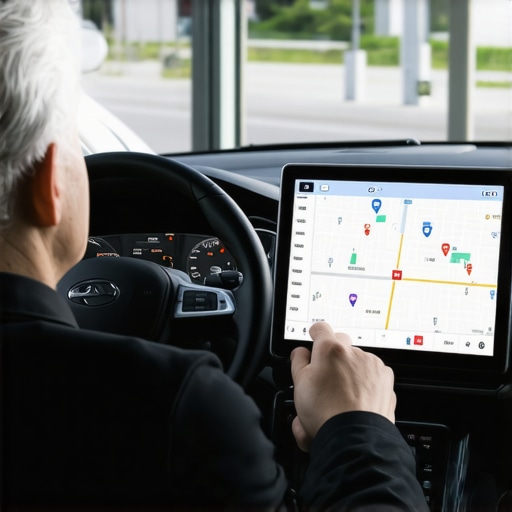
Investing in Reliable Equipment and Software
Maintaining a seamless hourly reservation system hinges on using the right tools. I personally rely on a high-quality dashcam, like the Garmin Dash Cam 67W, which records in 1440p and has a wide-angle lens. It’s invaluable for providing evidence in case of disputes or safety incidents and helps me verify the vehicle’s condition before each trip. Additionally, I use a dedicated mobile device with a rugged case, ensuring my navigation apps remain accessible even in rough conditions, and I can keep communication lines open with drivers. For booking and managing reservations, I prefer platforms like the Private Driver Pro app, which offers real-time tracking, safety checklists, and instant communication. These tools combine to create a resilient setup that supports punctuality, safety, and peace of mind.
Streamlining Communication and Data Sharing
Clear, efficient communication minimizes errors over time. I use encrypted messaging apps like Signal, enabling me to share real-time updates securely with drivers and support teams. Regularly updating my reservation details and sharing precise pickup points through these channels reduces misunderstandings. Moreover, I implement a practice of sending a quick check-in message 10 minutes before pickup, confirming ETA and safety protocols. This proactive approach ensures everyone is aligned, and any discrepancies are addressed immediately, saving precious time and avoiding delays. As documented in transportation safety studies, proactive communication significantly boosts reliability and safety in private transit services.
Anticipating Maintenance and Long-Term Improvements
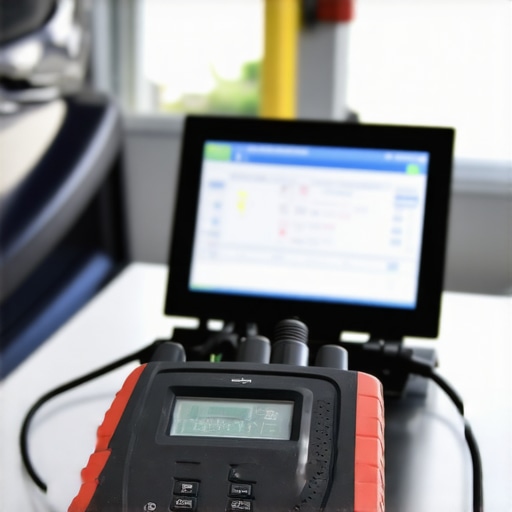
Long-term success depends on consistent maintenance. I schedule weekly vehicle inspections, focusing on tires, brakes, and lights—crucial components that impact safety and reliability. For software systems, I regularly update apps to leverage new features and security patches, preventing technical glitches. Investing in a vehicle diagnostics scanner like BlueDriver helps me catch potential issues early. Predictive maintenance tools, powered by IoT sensors, are an exciting future trend that could revolutionize reservation reliability by alerting operators to underlying issues before breakdowns occur. Staying ahead with these investments ensures my reservation setup remains operational and trustworthy.
How do I keep my reservation system functioning flawlessly over time?
The secret lies in combining routine maintenance, cutting-edge tools, and proactive communication. Regular vehicle check-ups prevent unexpected breakdowns, while secure, reliable software ensures booking and tracking precision. Developing a habit of verifying driver credentials, sharing your ETA, and maintaining multiple communication channels creates a safety net against delays and safety issues. I’ve found that creating a checklist — inspired by expert advice like the safety and punctuality tips — helps me stay disciplined. If you haven’t tried integrating live vehicle diagnostics or a dedicated communication protocol, do so now. These small but powerful changes can turn a good reservation system into a nearly foolproof one, ensuring on-time arrivals and optimal safety for the long haul.
By leveraging these specific tools and consistent practices, you can cultivate a resilient, efficient, and safe hourly reservation process that adapts seamlessly as your needs grow. Next, consider implementing predictive maintenance sensors—they’re an advanced step toward future-proofing your transportation setup, minimizing downtime and unexpected issues. Ready to step up your game? Start by trialing a vehicle diagnostics scanner or scheduling weekly inspections, and witness how your reliability skyrockets.