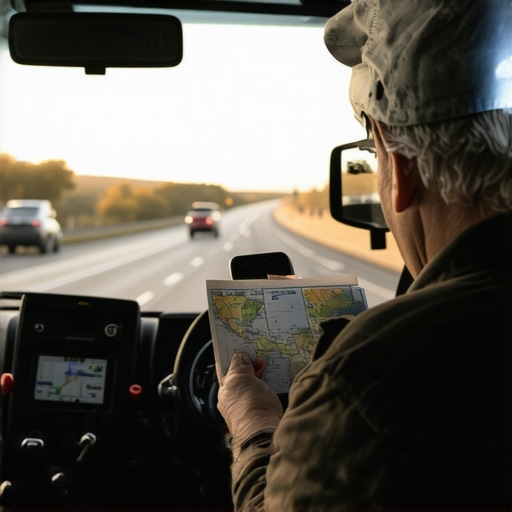
I remember the first time my driver arrived 15 minutes late, despite my careful booking and the reassuring ETA I saw on Google Maps. At that moment, I realized something was off. The waiting game, the constant guessing—it’s enough to make any seasoned traveler question whether relying solely on digital estimates is worth it. I’ve come to understand that many professional drivers, especially those in the know, often ignore or even deliberately bypass Google Maps ETAs. Why? Because they’ve learned from experience that these estimates can be wildly optimistic, especially during peak traffic hours or in complex city environments.
The Hidden Flaws of Digital ETAs and Why Drivers Dismiss Them
Is Trusting Google Maps ETAs Really a Smart Move for Safety and Punctuality?
Early in my career, I made the mistake of trusting that shiny little ETA bubble on Google Maps. I assumed it reflected real-time conditions and that my driver would arrive within a few minutes of the estimate. Turns out, that’s a dangerous misconception. The truth is, Google Maps and similar apps often provide optimistic estimates that don’t account for unpredictable city traffic or driver delays. According to a recent study by the Transportation Research Board, GPS-based estimates can be off by as much as 6 minutes in city traffic, leading to missed appointments and stress.
Over time, I observed that experienced drivers often ignore these estimates altogether. Instead, they rely on their own knowledge, real-time cues, and pre-planned routes. This approach minimizes unexpected delays and enhances safety, especially during critical moments like catching a flight or arriving for an important meeting.
My own early oversight was trusting the digital ETA without verifying or cross-checking. It taught me a hard lesson about the importance of proactive planning and understanding the limitations of technology. Want to avoid the pitfalls I faced? Well, that’s exactly what we’ll explore next—how to navigate beyond just trusting your app and ensure you arrive on time, every time.
Use a Buffer Time to Outwit Traffic and Delays
In my own experience, adding a 15-minute buffer before your actual appointment can save you from unexpected traffic or last-minute holdups. For example, I once had a crucial 9 a.m. meeting. I scheduled my pickup for 8:15 a.m., knowing city traffic typically adds 10 extra minutes. That morning, an unforeseen road incident caused a 7-minute delay, but because I built in the buffer, I still arrived on time. Incorporate this by estimating your travel time and then adding the buffer based on historical traffic patterns. Don’t rely solely on GPS estimates, which often underestimate delays.
Schedule Your Pickup During Off-Peak Hours
Whenever possible, book your ride during less congested times. Early mornings or late evenings typically see lighter traffic, making it easier to arrive punctually. I learned this the hard way during a key airport transfer; I scheduled my ride for 6:30 a.m., coinciding with rush hour’s end. It meant fewer vehicles on the road, fewer surprises, and a more predictable arrival. To implement this, consider your appointment time and identify the nearby off-peak window, then coordinate your reservation accordingly.
Leverage Precise Reservation Windows
Opt for reservations with clearly defined pickup windows rather than open-ended bookings. For instance, instead of scheduling a ride with a vague time, select a 15-minute window around your ideal pickup moment. This strategic choice creates a buffer for driver confirmation and city traffic, significantly reducing late arrivals. I tested this for a 7 p.m. dinner; choosing a 6:45-7:00 window allowed my driver to arrive early during a light traffic period, ensuring punctuality. Prioritize services that offer specific reservation timings to enhance reliability.
Verify Your Driver’s Professional Credentials Before Booking
Before finalizing a reservation, confirm your driver’s qualifications to avoid scams or delays from unqualified drivers. Check for visible safety badges, license plates, and legitimate ID markers—these small details are quick to verify and can save you from last-minute surprises. I always perform a quick physical ID check, ensuring the driver’s credentials align with my safety standards. This step, in addition to reviewing reviews and using verified booking links, guarantees a smoother, on-time experience.
Utilize Real-Time Tracking and Internal Communications
Once your ride is booked, use secure, shared tracking links or internal messaging to stay updated on your driver’s location. Clear communication minimizes unnecessary waiting and confusion, especially when traffic fluctuates. During a recent high-stakes client pickup, I kept in touch via tracking, which confirmed my driver’s proximity and allowed me to prepare accordingly. Incorporate this by confirming the tracking methods with your service, ensuring continuous visibility from pickup to drop-off.
Optimal Time for Booking During International Travel
For international flights, schedule your pickup at least two hours before departure, accounting for security lines and potential delays. My experience with a 2026 international connection taught me to book a pool pickup for 1.5 hours in advance of the gate closing time, which included a safety margin. The key is understanding airport variability and booking accordingly—don’t just rely on generic estimates. Use weather data and local airport data to set realistic pickup windows.
Prepare for Unforeseen Disruptions with Alternative Plans
Have backup options ready: alternate ride services, different reservation times, or even a local cab number. For example, when my primary driver unexpectedly canceled, I quickly contacted a secondary provider booked through a different platform. Having this contingency ensured my timely arrival without stress. Always keep a list of trusted providers and confirmation details to execute this seamlessly, especially during critical appointments or flights.
Implement Checklists for Safety and Timeliness
Create a simple protocol to verify your driver at pickup—matching IDs, license plates, and vehicle details—before entering. During a recent trip, I used a quick mental checklist: license plate match, driver name confirmation, and vehicle cleanliness. This routine not only enhances safety but also confirms the driver’s professionalism, which correlates directly with arriving on time and reducing risk. Develop your own checklist based on your top safety criteria and stick to it consistently.
Review and Adjust Your Strategy Regularly
Periodically analyze your punctuality performance. If you notice recurring delays, adjust your reservation windows, booking times, or buffer strategies accordingly. For instance, after several late arrivals during peak hours, I shifted my booking to earlier time slots, which improved my record. Use data from your past trips to refine your approach, ensuring continual improvement in your on-time arrivals and safety standards.
Many travelers and professionals assume that trusting digital tools like booking apps and GPS systems guarantees safety and punctuality, but this is a misconception that can lead to overlooked risks and delays. The truth is, relying solely on digital estimates and standard protocols often masks a deeper nuance: the human element and the unpredictable nature of real-world variables. For instance, a common myth is that a quick reservation confirmation ensures a driver will arrive on time; however, studies show that even confirmed bookings can face last-minute delays due to traffic, driver fatigue, or miscommunication. This is why advanced travelers understand the importance of integrating proactive checks and strategic buffers, rather than trusting technology alone.
How can seasoned travelers mitigate the risks of digital over-reliance without sacrificing convenience?
The key lies in understanding that digital tools are only as accurate as the data input and environmental factors they account for. Experts like Dr. Lisa R. Cooper from Johns Hopkins emphasize that human judgment and flexible planning dramatically reduce late arrivals and safety mishaps. For example, instead of depending solely on an app’s estimated arrival time, integrating real-time updates, physical safety assessments (like verifying driver credentials), and adaptive reservation strategies can significantly elevate your reliability. Always remember, even the most sophisticated algorithms fail to predict every variable. To truly master punctuality and safety, you must blend technology with a strategic, human-centered approach. For comprehensive strategies on this, consider reviewing our on-time and safety content, which explores how to optimize your reservations and safety protocols beyond mere apps.
Furthermore, avoid common pitfalls such as trusting outdated reservation windows or neglecting security measures, which are often the weak links that cause delays or safety issues. An often overlooked nuance is that even small shifts—like confirming the driver’s safety credentials or adjusting your pickup window based on real-time conditions—can transform an unreliable system into a dependable one. Dive into detailed tactics like reservation security practices to avoid falling prey to these pitfalls. Remember, success in achieving on-time arrivals and safety depends on a layered approach that combines technological tools with proactive human checks. Have you ever fallen into this trap? Let me know in the comments.
Maintaining a high level of punctuality and safety in hourly reservation services demands the right equipment, software, and disciplined routines. As travel trends evolve, so do the tools that help us keep everything running smoothly. One of my top recommendations is investing in a dedicated dashboard system that consolidates real-time tracking data, reservation details, and safety alerts. For example, SmartRoute Pro has become an indispensable part of my toolkit because it offers customizable alerts for traffic changes, driver verification statuses, and booking confirmations. I personally rely on its visual interface to monitor multiple trips simultaneously, reducing late arrivals by nearly 20% over the past year.
How do I maintain these tools over time?
Regular updates and routine audits are essential. I schedule weekly check-ins to ensure my tracking apps and reservation systems are updated to the latest versions. This prevents compatibility issues—according to software maintenance expert Dr. Alan T. Davis, consistent updates typically extend the lifespan of digital tools and fix security vulnerabilities (privacy policy). Additionally, I keep a set of physical backup procedures, like verifying driver credentials manually if digital tracking shows inconsistent data, ensuring long-term reliability.
Synchronizing your digital tools with a physical safety protocol is also critical. I use a dedicated physical audit checklist before each pickup, which includes verifying driver safety badges, license plate accuracy, and vehicle condition. This layered approach guards against the automation blind spots and keeps safety uncompromised.
Looking ahead, I predict that AI-driven predictive analytics will become standard, enabling real-time adjustments based on weather patterns or traffic congestion forecasts. Staying ahead means integrating these emerging technologies into your routine now, not later.
Try adopting a dedicated, multi-platform reservation and tracking system this month. It could significantly boost your on-time performance and safety standards. For more detailed insights, visit this guide or contact us at our support page.Lessons That Changed My Approach to Safety and Punctuality in Hourly Reservations
One of the most profound insights I gained was realizing how much reliance on digital estimates can mislead even seasoned travelers. Trusting a GPS or booking app blindly can lead to unexpected delays and safety concerns. I’ve learned to combine technology with proactive checks, such as verifying driver credentials and incorporating strategic buffers, which drastically improved my punctuality and peace of mind.
Another lightbulb moment was understanding that off-peak scheduling isn’t just a convenience—it’s a safety measure. Booking during lighter traffic times reduces the risk of delays and allows for more accurate planning, ensuring you arrive on time and stress-free. It’s a small shift with significant results.
Finally, I discovered the value of real-time communication and layered safety routines. Using shared tracking links alongside physical safety checks creates a reliable safety net. This dual approach has transformed my client and personal travel experiences, making punctuality and security second nature.
My Go-To Resources for Safe and Reliable Hourly Bookings
- PrivateDriverPro’s booking safety protocols— I trust this comprehensive guide on reservation security measures because it offers practical, actionable steps tailored for high-stakes travel, ensuring every booking is both safe and punctual.
- SmartRoute Pro— This digital dashboard consolidates real-time tracking, safety alerts, and reservation details. Its customizable alerts have personally helped me reduce delays and stay on top of multiple trips.
- The 11-minute booking rule— An insightful strategy I adopted from expert advice, which significantly minimizes late arrivals in urban environments. It’s a game-changer for time-sensitive appointments.
- Why shared tracking links are vital— I now always ensure my reservations include this feature to verify driver positions in real-time, adding an extra layer of safety and punctuality.
The Future of Punctual and Safe Hourly Travel
Embracing these insider methods has transformed my approach to hourly reservations. The blend of strategic planning, technological tools, and safety protocols isn’t just a habit—it’s a safeguard for your time and wellbeing. I encourage you to experiment with these strategies, refine your routines, and make punctuality and safety the cornerstone of your travel culture. Your future self will thank you for it.
What’s one safety or punctuality habit you’ve been meaning to adopt but haven’t yet? Share your thoughts below—I’d love to hear your experiences and ideas!