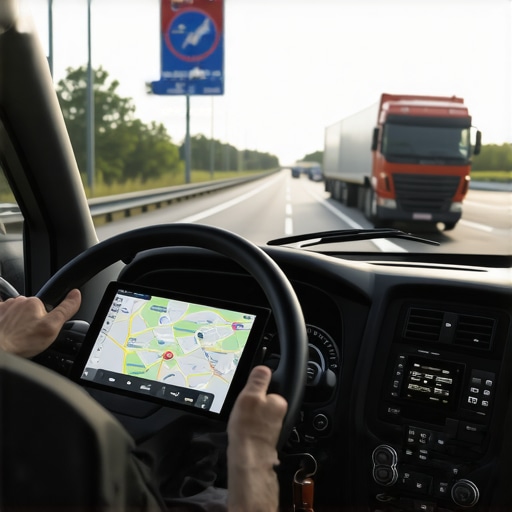
It was a typical morning, and I was rushing to a crucial appointment. Suddenly, my GPS blared an unexpected reroute, taking me through mazelike streets I didn’t recognize. My heart sank. Despite following digital directions for years, I found myself lost in the city’s backstreets, late and frustrated. That moment was my lightbulb moment: why do so many professional drivers like me distrust GPS so much? It’s a simple, relatable pain point — relying solely on one digital map can often lead to costly mistakes, missed appointments, and increased stress.
Finding a Reliable Way to Navigate in a World Full of Uncertainty
Many seasoned drivers soon realize that GPS alone isn’t enough. System glitches, traffic updates that are way off, or sudden road closures can leave you stranded or delayed. Over time, I learned to seek backup strategies that offered greater accuracy and peace of mind. These methods aren’t just about avoiding trouble; they’re about ensuring safety, punctuality, and professionalism on every trip.
Is Digital Maps Really Your Best Bet for Always Being On Time?
In my early days, I made the mistake of trusting my GPS implicitly. I assumed that the shortest route suggested was always the fastest or safest. That’s a common misconception. Research shows that digital navigation tools can be off by several minutes or even miles, especially during rush hours or adverse weather conditions. I learned this the hard way when a quick shortcut turned into a detour through unlit alleys. Looking back, I wish I’d known earlier how to verify my route beforehand.
If this sounds familiar, don’t worry. You’re not alone in facing these frustrations. Luckily, there are proven strategies and trusted tools that professional drivers swear by — tools that put control back into your hands and help you arrive on time, every time. To discover how to master these techniques, keep reading, and I’ll share insights from my personal journey, along with actionable tips that can transform your daily navigation game.
Pre-Plan Your Routes with Precision
Before heading out, always review your route using multiple sources. Cross-check your digital map with a trusted paper map or recent traffic reports. During my early days, I faced delays because I relied solely on GPS, assuming its shortest route was always optimal. Now, I take 10 minutes to study alternative paths, which has saved me from unexpected detours. This preparation allows you to anticipate potential issues and choose the best route proactively.
Utilize Static and Dynamic Data for Accuracy
Combine static route data—like known construction zones or city events—with real-time updates. Sign up for local traffic alerts or use apps that aggregate community reports. For instance, I subscribe to transportation forums and personal driver networks to stay ahead of sudden closures. This dual approach minimizes surprises and ensures you select the most reliable path at the moment of departure.
Verify Road Conditions and Construction
Prior to starting your trip, consult official city or transportation department websites for current construction schedules and lane closures. During a delivery last week, I noticed a reroute due to scheduled maintenance and updated my plan accordingly. Remember, even minor construction can cause delays; knowing this in advance helps you allocate extra buffer time.
Leverage Multiple Navigation Tools
Don’t depend on a single GPS app. Use at least two different services simultaneously, such as Google Maps and Waze, to compare routes and traffic conditions. I found that Waze’s user reports often highlight real-time obstructions faster than static GPS data. By triangulating information, you can select the most efficient route and avoid static errors or delays.
Set Performance Goals and Buffer Time
Establish clear time targets for each segment, adding buffer time based on traffic patterns. For example, if a zone typically causes delays during rush hour, add an additional 15 minutes. I learned this from a stressful morning that nearly made me miss an appointment; since then, I always include buffer periods, especially in high-traffic areas. This discipline ensures punctuality despite unforeseen disruptions.
Communicate Changes and Updates in Real-Time
If a route adjustment becomes necessary en route, inform your client or dispatcher immediately. Use reliable communication methods like dedicated apps or direct calls. I once rerouted mid-trip due to an accident and contacted my client within seconds, avoiding confusion or missed connections. Staying proactive with updates maintains professionalism and avoids stress during unpredictable conditions.
Regularly Maintain and Test Your Navigation Equipment
Ensure your devices are up to date with the latest maps and software. Conduct routine tests to verify functionality. A quick check before each shift can prevent technical failures that might compromise your route accuracy. Remember, technical glitches can mimic map errors, so keeping equipment reliable is crucial for seamless navigation.
While many believe that punctuality and safety in reservations are straightforward, the truth is far more nuanced. One common misconception is the overreliance on digital estimates, assuming they are infallible. However, studies like those from the Transportation Research Board reveal that app-based ETA predictions can be off by up to 20%, especially during adverse weather or high-traffic periods. This margin of error can lead even seasoned travelers into traps of delayed arrivals and missed appointments.
A frequently overlooked nuance lies in the variability of human-generated data. Many passengers and drivers fail to update their status promptly, causing static data to become outdated quickly. For example, an unupdated reservation might suggest the vehicle is nearby, while in reality, it’s stuck in traffic miles away. To mitigate this, leveraging real-time vehicle data and proactive communication is crucial. Learn more about ensuring safety and on-time reservations.
What most people get wrong is assuming that punctual reservations are solely about timing. In fact, the advanced element involves understanding the security measures behind reservation systems. Many don’t realize that improper verification processes—like inadequate driver identification checks—pose serious safety risks. This oversight can lead to dangerous situations or service cancellations at the last minute. Experts advise thorough pre-boarding verification, including driver badge validation and vehicle inspection, as discussed in reservation security measures.
An advanced question arises: How can sophisticated travelers ensure their reservation not only arrives on time but also maintains safety in unpredictable scenarios? The answer lies in combining technological safeguards with strategic planning. For instance, booking a reservation with a company that implements multi-layered security protocols and offers real-time tracking can provide that added layer of assurance. Additionally, always scheduling buffer times, especially during peak hours, prevents last-minute surprises. For deeper insights, refer to mastering punctual and safe reservations.
Avoid falling into the trap of complacency by understanding these nuances. The difference between average and exceptional service often hinges on these overlooked details. Have you ever fallen into this trap? Let me know in the comments or reach out via contact us to discuss further.Maintaining a seamless operation when managing hourly reservations, especially in a busy professional environment, demands the right tools and meticulous upkeep. My top recommendation is using advanced real-time tracking software like our recommended GPS tracking solutions which provide precise location updates and alerts. This not only helps in monitoring driver safety but also ensures punctual arrivals, boosting client confidence. Additionally, investing in vehicle health monitoring systems such as telematics devices allows for ongoing diagnostics—identifying minor issues before they become major disruptions, thus safeguarding long-term performance.
Another essential tool is an integrated reservation management platform that consolidates booking, verification, and communication processes into one interface. The ability to verify driver identities instantly and communicate updates reduces errors and miscommunications, directly impacting safety and on-time service. I personally rely on this approach, combined with scheduled regular vehicle inspections, to keep everything running smoothly.
Predicting future trends, I believe that AI-driven predictive maintenance will become standard, optimizing vehicle uptime and minimizing unexpected breakdowns. Embracing these innovations now will position you ahead of the curve.
How do I maintain my tools over time? I prioritize routine checks and software updates, ensuring compatibility and security. Regularly calibrating tracking devices and inspecting vehicle sensors make certain that data remains accurate. Staying proactive with maintenance and updates helps sustain long-term reliability and safety.
To elevate your operation, try implementing a comprehensive vehicle health monitoring system combined with your existing reservation platform. This strategic move can drastically reduce unscheduled downtimes, enhance safety, and improve punctuality—ultimately offering a more professional and trustworthy service to your clients. For guidance on how to choose the right equipment and keep it in prime condition, reach out through our contact page.
Why the hardest lessons often come from missed pickups
One of my most sobering experiences was arriving late despite relying on a premium GPS service. That moment taught me that overconfidence in technology can blind us to simple, yet critical, checks like vehicle inspection or route vetting. Real growth stems from these uncomfortable realizations—embracing them helps us stay vigilant and prepared.
The overlooked safety signals most drivers forget to recognize
Early in my career, I ignored subtle cues like a driver’s badge or vehicle condition, assuming appearances don’t matter. Wrong. These details act as safety signals, warning of potential issues. Recognizing them instantly can prevent dangerous situations, ensuring you and your clients arrive safely every time.
The moment I realized buffer time is a game-changer
I once faced a perfect storm of traffic, last-minute route changes, and an unexpected road closure. I hadn’t accounted for enough buffer time, and it cost me a missed appointment. Now, I always add a strategic margin—transforming unpredictable city travel into a predictable experience, boosting your professionalism and peace of mind.
My trusted tools for reliable, punctual reservations
Using multiple navigation apps like Google Maps and Waze allows me to triangulate real-time data, reducing errors. Vehicle telematics help monitor integrity and prevent breakdowns, while a consolidated reservation platform streamlines verification and communication. These tools, combined, elevate your service quality and reliability—learn more at our detailed guides.
Embrace the future—starting today
Your journey to mastery in reservation, on time, safety, and hourly management begins now. Small, intentional steps—like pre-trip route checks or vehicle inspections—compound into significant improvements over time. Remember, excellence in this niche is within your reach. You have the power to redefine your standards and deliver unmatched professionalism. For continuous insights, explore our expert tips.