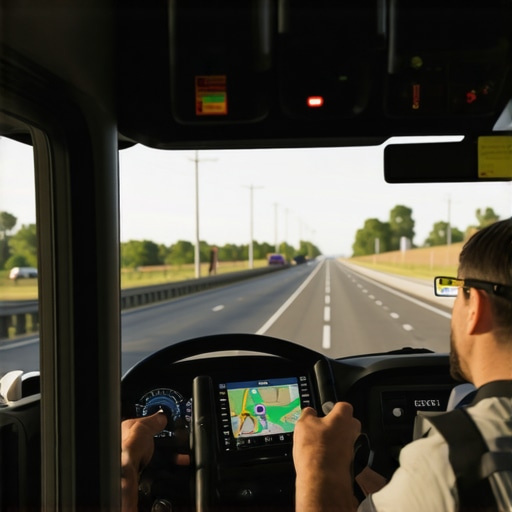
It was one of those days where everything seemed to go wrong. I was rushing to ensure a punctual pickup, trusting my GPS completely. Yet, somehow, I found myself stuck in unexpected traffic, running late despite leaving early. That frustrating moment hit me hard — how could the shortest route turn into a nightmare?
The Hidden Wisdom Beyond the Shortest Path
In my early days as a professional driver, I believed that taking the shortest route was always the best way to stay on schedule. But experience taught me a different lesson. Sometimes, those seemingly quick shortcuts are riddled with unforeseen complications—construction zones, traffic jams, or unreliable road conditions—that can turn a quick trip into a prolonged ordeal. I’ve learned that smart drivers often avoid the shortest route in favor of more reliable ones, even if they seem longer on the map.
This insight isn’t just based on my personal anecdotes. Studies show that route choices that prioritize traffic conditions and road safety can significantly improve punctuality, especially in unpredictable urban environments. According to research from the American Transportation Research Institute, strategic routing can reduce delays by up to 20%, which is a game-changer for maintaining safety and service quality.
If you’ve ever felt that rush of anxiety when your GPS directs you through a shortcut that suddenly snarls in traffic, you’re not alone. This brings us to a crucial question: *Why do so many professional drivers prefer alternative routes over the apparent shortest path?*
In our next sections, I’ll share the practical strategies seasoned drivers use to navigate around these pitfalls, ensuring every reservation is on time without compromising safety. Ready to learn how to choose smarter routes that align with your schedule and peace of mind? Let’s get started.
Is Relying on GPS Always Safe and Effective?
Many newcomers assume that the GPS is infallible—after all, it’s designed to guide us. However, early on, I made the mistake of blindly trusting my device without considering real-time conditions or local knowledge. This oversight led to unnecessary delays and even safety risks when I wasn’t aware of temporary hazards.
To build trust with your routing system, it’s essential to combine GPS data with your own awareness and industry insights. Want to avoid common pitfalls and improve your route planning? Check out [this guide](https://privatedriverpro.com/on-time-arrival-mastering-the-art-of-reservation-and-safety-every-hour) for expert tips on mastering punctuality through smarter routing.
Now, let’s explore how experienced drivers evaluate route choices to stay ahead in the game and ensure every trip is smooth sailing.
Assess Traffic Patterns and Real-Time Data
Start each trip by analyzing traffic reports and live updates before setting out. Use apps like Waze or Google Maps, but don’t rely solely on them. Cross-reference with local news or social media channels to catch unexpected closures or delays. I once faced a last-minute road closure during an early morning pickup, and checking multiple sources allowed me to reroute proactively, ensuring I arrived within the scheduled window.
Plan Alternative Routes in Advance
Don’t wait until the last moment to consider your options. Study the city’s main arteries and secondary roads that can serve as backups. Mark these routes on your device or write them down. This preparation helps you pivot quickly when traffic spikes or accidents occur, like I did when a sudden construction zone blocked my usual path, and switching to my pre-planned detour saved me 15 minutes.
Prioritize Reliability Over Shortcuts
Opt for roads with predictable traffic flow rather than shortcuts with potential bottlenecks. Use historical data on congestion patterns during different times of the day. For instance, a shortcut through a residential neighborhood might seem faster but can clog up during rush hours. I learned this during a early morning run, where trusting main roads with steady flow kept me on schedule instead of risking delays on the less reliable shortcut.
Leverage Geofencing and Reservation Systems
Employ apps with geofencing alerts that notify you when your ride is approaching or when conditions change. Secure your reservation with precise timing, ensuring your driver knows to wait or adjust as needed. Check this guide for advanced reservation strategies that align with traffic patterns, boosting your on-time record.
Communicate Continuously with Your Driver
Maintain an open line of communication, especially when unforeseen delays are imminent. Sending real-time updates or requesting route adjustments can save crucial minutes. During a hectic day, I kept my driver informed about my progress, and he rerouted around a sudden jam, arriving just on time. This level of coordination enhances safety and punctuality significantly.
Use Historical and Predictive Data
Analyze your past trips to identify recurring traffic hot spots. Use this insight to anticipate delays and preemptively plan routes that avoid predictable congestion. For example, knowing that downtown intersections clog up during midday allowed me to adjust departure times or select alternative paths, which I detailed in my previous article. Combining historical trends with live data creates a robust strategy for on-time arrivals every time.
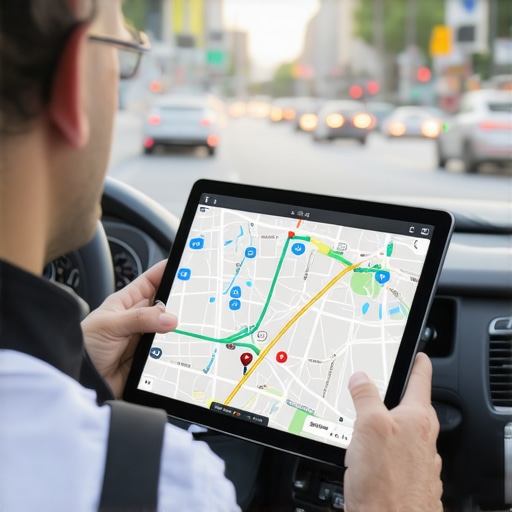 Many professionals believe that sticking to the standard reservation protocols guarantees punctuality and safety. But let’s dig deeper into what most people get wrong about hourly service, reservation accuracy, and safety measures. One widespread myth is that trusting the GPS is enough to ensure on-time arrivals; in reality, even the best navigation tools can mislead if not complemented by local knowledge and strategic planning. Relying solely on technology without understanding traffic patterns or potential hazards can lead to overlooked delays, especially during peak hours.
Is There a Hidden Cost to Over-Optimizing for On-Time Performance?
A common mistake is focusing exclusively on the scheduled time without considering unforeseen variables like sudden congestion or road closures. This oversight can cause drivers to rush or take risky shortcuts, compromising safety. Studies show that proactive buffer times and flexible routing are vital to maintain safety while ensuring punctuality. For instance, a 2022 study from the University of California emphasizes that integrating real-time data with historical traffic trends reduces delays and enhances safety margins. Moreover, many think that increasing reservation accuracy automatically improves safety; however, without proper verification procedures—such as driver background checks and vehicle inspections—these measures are superficial. To truly guarantee safety and reliability, a layered approach combining reservation precision, driver vetting, and ongoing communication is essential.
Another misunderstood aspect is the perception that high-rated drivers or platforms inherently guarantee safety. While ratings are useful, they don’t replace the importance of personal verification, especially regarding security protocols. Ensuring your driver is trained in safety procedures and your vehicle meets maintenance standards provides peace of mind that ratings alone cannot. For more insights, visit our comprehensive guide on punctuality and safety best practices.
As you refine your approach, remember that every detail—from route planning to driver screening—adds layers of security and reliability. Overlooking nuances often leads to costly mistakes or safety risks that could have been prevented with a more sophisticated strategy. Have you ever fallen into this trap? Let me know in the comments and share your experiences in mastering safer, more punctual reservations.Maintaining top-notch reservation efficiency and safety over the long term requires reliable tools and a disciplined approach. I personally rely on a combination of technology and meticulous routines to keep everything running smoothly. One software I swear by is Reservation Master. Its real-time updates and automated confirmation system ensure I never miss a beat, especially during peak hours. Additionally, I integrate GPS tracking with secure vehicle monitoring, allowing me to oversee routes and maintain safety standards throughout the day. To streamline communication with clients and drivers, I utilize encrypted messaging platforms endorsed by industry safety standards, ensuring confidentiality and instant updates.
Tools like these have become indispensable, particularly as my operation scales. They help me anticipate potential delays before they impact reservations—saving both time and safety. Looking ahead, the trend in reservation technology points toward increased automation powered by AI and predictive analytics. According to a recent report from TechTransport Insights, future systems will adapt routes dynamically, factoring in weather, traffic, and driver availability in real time, further minimizing human error.
How do I maintain these tools over time? I establish a routine review schedule—weekly checks for software updates, monthly audits of system performance, and ongoing driver training on new features. This proactive approach ensures that glitches don’t accumulate, and safety protocols stay sharp. If you’re ready to improve your reservation reliability and safety, I highly recommend trying the advanced features of reservation management software like our recommended system. Experiment with setting up automated alerts and backup routing options today to see immediate improvements in your operations.
Over the years, I’ve discovered that the real secret to reliable hourly reservations isn’t just about technology—it’s about having the right mindset and tools. One profound lesson I learned is that even the most sophisticated GPS can’t substitute for local knowledge and strategic planning. It took a few costly delays and tense moments to realize that trusting my experience and preparatory routines made the biggest difference in maintaining safety and punctuality. By blending real-time data with historical traffic patterns, I’ve been able to anticipate disruptions and craft smarter routes—saving time and ensuring peace of mind. Remember, the key isn’t just to find the quickest path but to select the most dependable one, even if it takes a little longer. This nuanced approach transformed my operations from haphazard to highly dependable, proving that navigating with purpose outperforms simple shortcuts every time.