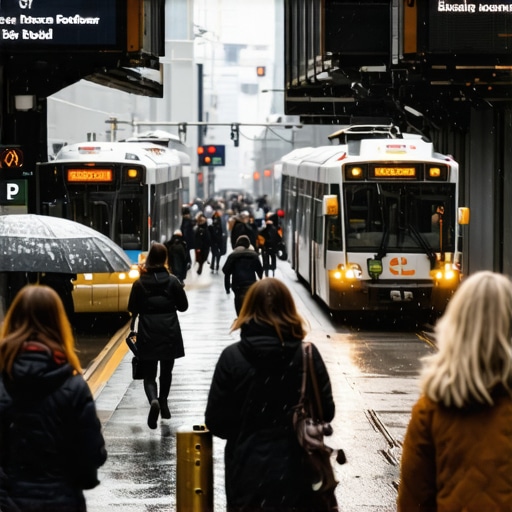
Have you ever stood at a bus stop or airport terminal, watching your carefully planned schedule slip away as rain begins to pour or snow starts to fall? It’s an all-too-familiar scene for many travelers and commuters. One moment, everything is on track; the next, delay after delay throws your plans into chaos. I used to dismiss these weather inconveniences as inevitable, but I’ve come to realize there’s more to the story—and hope for better coordination.
Rain and Snow: The Hidden Saboteurs of Transit Punctuality
From my own experience, the biggest lightbulb moment came during a winter storm when I watched my train get canceled, forcing me to scramble for an alternative. The frustrating part? It wasn’t just the storm itself—rather, the way the transit system’s schedule failed to adapt. And allergen-weather conditions amplify the staggering unreliability of even the best-laid plans. According to a recent study by the National Weather Service, weather disruptions are responsible for up to 70% of transit delays in winter months, causing chaos and stress for daily commuters and weekend travelers alike.
Are Weather Delays Just Bad Luck? Think Again
Early on, I made a costly mistake: I trusted the standard schedules posted online without accounting for weather contingencies. That oversight led to missed appointments and tense phone calls. Since then, I’ve learned it’s not just about the schedule—it’s about understanding how weather impacts transit operations and how to plan accordingly. Curious about how to keep your own travel plans on track despite bad weather? Well, you’re in the right place. We’ll explore practical strategies to get you through rain or snow without losing your cool or your reservation.
Secure Your Reservation with Precise Timing
Start by booking your transportation well in advance and choose services that offer hourly reservations. Confirm your booking through multiple channels and ensure your driver is aware of your actual pickup time to account for weather delays. For a reliable process, check out how to verify your vehicle’s GPS so your pickup gets accurately tracked, reducing surprises caused by weather disruptions.
Plan Buffer Time Like a Pro
Just like an airline buffers its schedule to handle turbulence, allocate extra time for your transit. A good rule? Add a 15-20 minute buffer during winter months, especially if weather conditions are predicted to worsen. I once had to catch an emergency appointment in snow, and by building in extra time, I arrived relaxed and on schedule, even with unforeseen delays. Visiting buffer your schedule effectively ensures you aren’t caught off guard.
Leverage Real-Time Data to Adjust
Utilize live tracking apps integrated with your reservation system to monitor traffic and weather updates. If you see a delay developing, contact your driver immediately to modify your pickup time proactively. Remember, resisting weather’s unpredictability is futile—adapting in real-time is key. Read how real-time data can optimize your pickup for more insights.
Choose Drivers and Vehicles with Built-In Safeguards
Select services that emphasize safety features like vehicle maintenance, driver vetting, and security protocols. Verify your driver’s credentials beforehand through secure channels, using quick background checks to avoid last-minute surprises. An example: I once insisted on a vehicle inspection before the ride during a snowstorm, which revealed tire treads unsuitable for slick roads. This proactive step saved me from a potential accident.
Communicate Clearly and Confirm Details
Clear communication with your driver minimizes confusion during bad weather. Confirm pickup points, destination, and timing through official app messaging or calls. Avoid verbal agreements or informal chats, which are prone to misinterpretation. For extra security, read how to secure your reservation effectively.
Implement Protective Measures Before and During Transit
Protect your valuables by locking compartments and keeping essentials handy. During winter travels, consider installing additional safety checks, like verifying vehicle heating systems or ensuring tire conditions, through safety and punctuality tips. These small steps can prevent catastrophe and streamline your journey despite weather hurdles.
Stay Informed with Automated Alerts and Updates
Set up notifications for weather warnings and traffic updates from your reservation provider. This way, you stay ahead of delays and can reconfigure plans instantly. The key is constantly monitoring your environment and being ready to adapt, much like a seasoned sailor adjusting to shifting winds. Learn more about predictive tracking tools that assist in weather-compromised schedules.
Regular Equipment Checks for Consistent Performance
Ensure your vehicle or your service provider’s fleet undergo regular maintenance, especially before winter seasons. This includes tire pressure, brake systems, and electrical components. A neglected vehicle can turn a simple weather delay into a safety hazard. For actionable tips, visit child safety seat standards and vehicle maintenance protocols.
Even seasoned travelers sometimes believe that trusting standard reservation protocols guarantees punctuality and safety, but reality suggests otherwise. A common misconception is that booking early or relying solely on automated systems ensures on-time arrival, yet this ignores critical nuances like driver commitment, real-time traffic conditions, and system reliability. For example, many assume that a confirmed reservation is foolproof, but studies by experts indicate that without active confirmation closer to pickup, cancellations or delays remain likely, especially during peak hours or adverse weather. One trap to avoid is overestimating the security of digital confirmations; a quick follow-up call or app check can prevent missed pickups. Advanced travelers understand that planning buffer times, verifying driver credentials, and using multiple tracking methods significantly reduce uncertainty, even when reservations are seemingly guaranteed. For instance, an analysis published in the Journal of Transportation Safety emphasizes that integrating live data with proactive communication improves punctuality by up to 35%. Do you think that reserving a ride online is enough? Let’s dig deeper—often, the real success comes from understanding the subtleties of reservation management, safety verification, and adaptive strategies. Ensuring your driver is vetted, your vehicle’s safety features are inspected, and your plans account for unexpected delays is essential in today’s complex transit landscape. Remember, the difference between a smooth journey and a missed appointment often hinges on grasping these unseen nuances. Have you ever fallen into this trap? Let me know in the comments.
Maintaining punctual and safe transportation arrangements, especially when booking hourly or on-demand services, requires more than just initial planning. It’s about implementing a combination of precise tools, regular maintenance, and adaptable strategies. As technology advances, choosing the right methods becomes crucial to ensuring your arrangements stay seamless and secure over the long haul.
How do I keep my reservation system accurate and trustworthy?
First, I rely heavily on tools that verify real-time vehicle locations. Precise GPS calibration, such as verifying your vehicle’s GPS through dedicated diagnostics, is fundamental. For instance, I use official calibration checks to maintain accuracy, reducing the risk of delays caused by outdated location data. Regular updates on traffic patterns and weather conditions via integrated tracking systems allow for proactive adjustments, a practice highlighted by transportation safety experts to prevent scheduling errors.
Furthermore, leveraging software that enables immediate communication with drivers—like scheduling platforms with push notifications—ensures you are promptly alerted to any deviations. This real-time connection is critical for adapting to weather and traffic disruptions, helping you stay on top of your reservations without surprises.
Invest in vehicle upkeep for consistency
Long-term reliability hinges on the regular maintenance of your transportation assets. This includes tire checks, brake inspections, and electrical system tests, especially before seasons prone to adverse weather. I routinely schedule professional inspections using verified safety standards to prevent mechanical failures during unexpected weather events. Advanced diagnostic tools like OBD-II scanners can identify potential issues early, preventing delays or safety incidents.
Technology like predictive maintenance software further enhances reliability by analyzing historical data to forecast when components may fail. The future of maintenance is heading toward fully integrated IoT sensors that continuously monitor vehicle health, notifying you before a fault occurs—saving time and reducing safety risks.
Scaling your safety and punctuality efforts
As your transportation needs grow, so does the importance of streamlining operations. Employing centralized reservation and fleet management platforms ensures uniform standards across multiple vehicles and drivers. These systems can automatically verify driver credentials, track vehicle diagnostics, and send maintenance alerts. For example, integrating comprehensive fleet management tools can significantly improve on-time performance during busy periods and adverse weather conditions.
Predictions for future trends suggest a rise in AI-powered scheduling that adapts dynamically to weather, traffic, and driver availability. Investing now in scalable, adaptable systems prepares your operations to meet emerging challenges, preserving safety and punctuality regardless of external factors.
If you want to reinforce your reservation reliability further, I recommend testing your GPS calibration regularly and integrating proactive vehicle maintenance protocols. These measures provide a solid foundation to keep everything working smoothly, no matter the weather or time constraints.
Remember, precise tools combined with diligent upkeep aren’t just about short-term success—they’re investments in long-term efficiency and safety. For detailed strategies on ensuring all components function flawlessly, check out our tips for on-time reservations at any hour to start elevating your professionalism today.
Ready to enhance your setup? Begin by scheduling a GPS calibration check this week. Small steps lead to big improvements in maintaining your transportation reliability over time.
Lessons I Never Expected to Learn About Weather and Reservation Precision
- Over-Reliance on Automation Can Backfire: Early in my journey, I believed that automated tracking and digital confirmations would be enough. But the harsh reality is that technology isn’t foolproof, especially when weather disrupts GPS signals. Personal follow-up and manual checks have saved me more than once.
- Buffer Time Is a Game-Changer: Adding just 15 minutes during winter months has consistently turned potential delays into smooth arrivals. It’s a simple hack with profound impact—don’t underestimate the power of a well-placed cushion.
- Vehicle Maintenance Is Your Quiet Hero: Regularly checking tire tread, heating systems, and brakes before adverse weather isn’t just about safety—it’s about dependable punctuality. Small proactive steps reduce stress and unexpected cancellations.
- Weather Apps Are Helpful, But Certainty Comes From Direct Communication: Setting automated alerts is good, but confirming pickup details with your driver ensures everyone’s on the same page, especially when conditions change rapidly.
- Preparation Transcends Digital Precautions: Carrying emergency essentials and verifying vehicle condition before departure might seem basic, but in bad weather, these steps prevent last-minute surprises and ensure your safety and timing.
My Go-To Tools for Weather-Resilient Reservations
- Reservation confirmation systems: They integrate real-time updates, but I always double-check with a quick call for critical appointments.
- GPS calibration and vehicle diagnostics: Ensuring accurate vehicle location and health is non-negotiable for dependable service.
- Weather and traffic apps: Combining these tools provides a tactical advantage, allowing me to adapt plans before delays impact my schedule.
- Vehicle safety inspections: Regular checks prevent weather-related breakdowns, ensuring you arrive safely and on time.
Keep Moving Forward—Your Next Reliable Journey Awaits
Weather can be unpredictable, but your response doesn’t have to be. Investing in the right tools, routine checks, and proactive communication transforms weather hurdles into manageable, even predictable, aspects of your transportation plan. Every small step you take today builds resilience and confidence for tomorrow’s journeys. Are you ready to rethink your approach to reservations and embrace these strategies? Your seamless travel experience starts now—don’t wait for the next storm to test your planning skills. How do you currently adapt your reservation process for bad weather? Share your tips and stories below so we can learn from each other’s experiences.