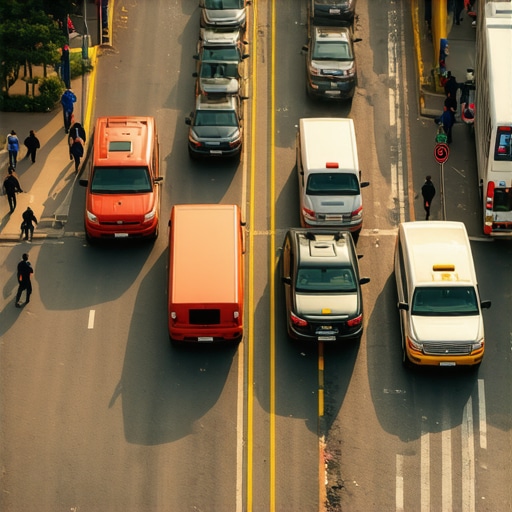
It’s Monday morning, the alarm rings, and I scramble to get ready, already battling the wave of traffic that seems to swallow everyone’s plans. I’ve been there—staring at the clock, desperately hoping my buffer will save me from arriving late. But more often than not, that buffer backfires. I’ve learned the hard way that most arrival buffers fail precisely when you need them the most.
Missing the Mark When It Matters Most
The truth is, many of us rely on buffers to keep us punctual during the hectic Monday rush. We set extra time, double-check reservations, and hope for the best. Yet, despite our best efforts, delays still happen. It feels like trying to outrun a moving train with a bicycle—you’re bound to fall behind. I remember waking up early, leaving home earlier than usual, only to find the traffic gridlock was worse than expected. My so-called buffer was just a mirage, offering false security.
This recurring frustration made me question: Are our predefined buffers genuinely effective, or are they just comforting illusions? And more importantly, how can we design a system that actually guarantees on-time arrivals during the most challenging hours?
Today, I promise we’ll uncover the secrets behind reliably beating the Monday morning chaos. We’ll explore practical strategies and insights drawn from my personal experience and industry best practices to help you stay ahead of the traffic and stress.
Ever Wonder If Your Buffer Is Just Giving You False Confidence?
When I first started managing my schedules, I made a common mistake: I added a generic 15-minute buffer without considering the unpredictable nature of city traffic. That naive approach often left me stranded or rushing, defeating the purpose of the extra time. I learned that a one-size-fits-all buffer doesn’t cut it, especially when road conditions are constantly changing.
For instance, understanding the importance of precise reservation timing and safety measures can drastically improve your punctuality. You might want to check out how to ensure safety and punctuality with your reservations, which offers valuable tips for avoiding unexpected delays. You can read more about this in our detailed guide on [reservation security measures](https://privatedriverpro.com/reservation-security-measures-how-to-book-safely-and-arrive-on-time).
So, how do you create a buffer that truly works? Let’s delve into actionable strategies that turn hope into certainty—and get you to your destination on time, every time.
Set Accurate Reservation Windows
The foundation of punctuality begins with choosing a precise reservation window. Instead of guessing, analyze past trips during similar conditions. For example, I once booked a ride to the airport on a Friday afternoon and initially selected a 30-minute buffer. Yet, after reviewing previous data, I realized 45 minutes was more realistic. This adjustment prevented last-minute rushes and missed flights.
Account for External Variables
Traffic, weather, and local events heavily influence travel times. Use live traffic apps to monitor conditions and adjust your buffer accordingly. A practical tip is to check the weather forecast before booking and plan for potential delays. During a recent winter storm, I increased my buffer by an extra 20 minutes, which ensured I still arrived on time despite bad weather.
Pre-verify Vehicle Readiness
Never underestimate the importance of a well-maintained vehicle. Before each trip, perform a quick inspection—checking tire pressure, fluid levels, and the vehicle’s cleanliness. During a late-night run, I noticed a warning light that signaled low oil. Addressing this early prevented breakdowns and kept my schedule intact. Remember, ensuring safety and punctuality depends on vehicle reliability.
Communicate Clearly with Your Driver
Establish confirmation channels—text, call, or app—to verify pickup details. When I scheduled my last ride, I sent a quick message confirming my location and future stops. The driver acknowledged, and I felt reassured. This simple step minimizes misunderstandings and last-minute adjustments, saving valuable time.
Choose the Right Reservation Platform
Select services that prioritize safety and punctuality. Reliable providers offer reservation security measures ensuring your booking is verified. During a holiday rush, I used a platform with verified drivers, which guaranteed my ride would arrive as scheduled, avoiding the chaos of unconfirmed bookings.
Leverage Buffer Strategies Smartly
While adding buffers is essential, excessive padding wastes time. Aim for a 10-15% increase based on your trip duration, adjusting for known conditions. For instance, I schedule my airport rides with a 45-minute buffer for a 40-minute drive, balancing safety with efficiency. This method reduces stress and prevents unnecessary early arrivals.
Regularly Review and Adjust
Your schedule and conditions change, so periodically analyze your reservations. Track missed or late trips and refine your buffers accordingly. I found that during the rainy season, increasing buffers by 15 minutes consistently improved my on-time record. Continuous fine-tuning is key to mastering reliable punctuality.
Many seasoned travelers and professionals believe they fully understand the intricacies of making reliable hourly reservations and ensuring punctuality. However, beneath the surface lie common misconceptions that can sabotage even the most careful plans. It’s essential to dig deeper into these nuances to truly master the art of safe, on-time travel.
Why Believing in One-Size-Fits-All Buffers Can Backfire
One prevalent myth is that adding a standard 15-minute buffer universally guarantees punctuality. In my experience, this is a dangerous oversimplification. Traffic patterns, weather conditions, and local events vary drastically, rendering a fixed buffer ineffective. For instance, during a sudden snowstorm, my typical buffer was insufficient, leading to missed appointments. The key is to customize buffers based on real-time data and historical patterns. Proper reservation planning involves analyzing specific conditions rather than relying on generic assumptions.
Beware of the Oops: Overconfidence in Technology and External Factors
Another trap is placing too much trust in digital ETA tools and external variables. Many assume that live traffic apps and weather forecasts are infallible. Yet, studies have shown that digital estimates often lag reality, especially during peak hours or sudden weather changes. An overreliance on these can lead to complacency, causing last-minute rushes and safety risks. To mitigate this, always verify vehicle preparedness and communicate proactively with your driver, ensuring everyone is aligned. Learn more about safety and punctuality essentials to prevent such pitfalls.
How Do You Confirm Safety and Reliability Without Overstepping?
The sophisticated traveler asks: How can I verify my reservation’s security and my driver’s reliability without feeling invasive? The answer lies in layered verification techniques. Checking vehicle inspection stickers, driver’s license authenticity, and real-time vehicle tracking are crucial steps. Smart verification not only ensures your safety but also helps you avoid last-minute cancellations or delays. For detailed steps, see our comprehensive guide.
Understanding these pitfalls and nuances is vital for anyone committed to seamless, safe, and punctual journeys. Remember, mastery over these details transforms frustration into confidence. Have you ever fallen into this trap? Let me know in the comments.
Equipping Yourself with the Right Tools for Long-Term Reliability
Staying on top of your reservation game requires more than just good intentions; it demands the right equipment and software. I personally rely on a combination of precision scheduling tools and real-time tracking systems to ensure my trips stay punctual and safe. My preferred app for reservation management is Ensuring Safety and Punctuality because it offers detailed analytics that help me fine-tune my buffers and predict delays based on historical patterns. This proactive approach helps me avoid last-minute surprises and maintain on-time arrivals consistently.
For vehicle maintenance, I use a digital inspection checklist and a diagnostic scanner that reports potential issues before they become safety hazards. Maintaining vehicle health is crucial; even a minor tire pressure deviation or warning light can extend trip times unexpectedly. By integrating tools like tire pressure monitors and scheduled maintenance apps, I ensure my vehicle is always ready for reliable service.
Predicting and Planning for the Future of Reservation Management
Looking ahead, I believe automation and AI-driven analytics will reshape how we manage reservations. Soon, we’re going to see smarter scheduling algorithms that automatically adjust buffers based on weather forecasts, traffic patterns, and driver behavior. This means less manual intervention and more consistent reliability, especially during unpredictable hours or adverse conditions. Staying ahead of these trends by adopting advanced tools now will give you a competitive edge.
How do I maintain reservation safety over time?
Consistency is key. I review my reservation data monthly, analyzing missed appointments and delays to identify patterns. For example, I discovered that certain routes consistently experience delays during rush hours, leading me to buffer more on those trips. Updating my safety protocols and tools regularly, such as verifying my driver’s ID before each trip using our verification methods, keeps my service reliable over the long haul. Incorporating backup plans like secondary drivers or alternative routes also ensures I always have a safety net, maintaining punctuality even when unforeseen issues arise.
Finally, I recommend you try implementing a GPS tracking system integrated with your scheduling app. It provides real-time updates and alerts if deviations occur, enabling immediate corrective actions. This proactive approach is vital for scaling your reservations safely as your needs grow and your schedule becomes more complex.
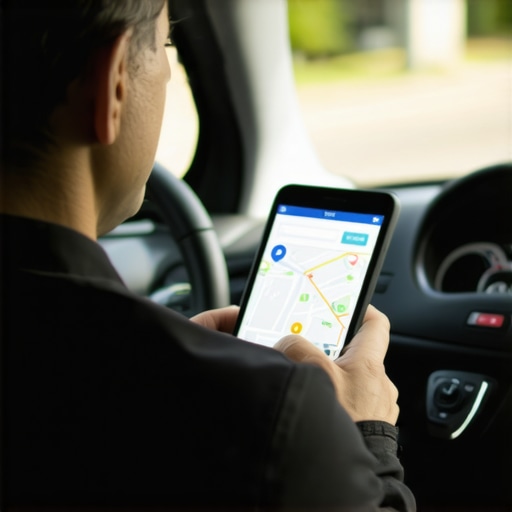
Use this image to see how professional scheduling systems integrate real-time data for efficient reservation management.
Remember, mastery over tools and continual review of your processes are essential for long-term success. As technology advances, staying updated with the latest in reservation safety measures will keep your travel seamless and secure.
Lessons That Turn My Flaws into Wisdom
One of the toughest lessons I learned was the dangers of relying solely on standard buffers. Early on, I believed that adding a flat 15-minute cushion was enough—only to find myself stranded when unpredictable traffic struck. It became clear that effective reservation management demands dynamic, data-driven adjustments rather than static rules. Another eye-opener was realizing how overconfidence in technology can create blind spots, making me forget the importance of personal verification. Cross-checking vehicle details and maintaining open communication consistently saved me from last-minute surprises. Lastly, I discovered that continuous reflection and adjustment are crucial; what worked during one season might not apply in another. Regularly reviewing my reservation patterns helped me stay ahead of delays and ensure trustworthy, on-time arrivals.