I vividly remember the sinking feeling in my stomach when I realized I had just boarded a vehicle that looked identical to the one I booked—but it wasn’t mine. It was a close call that made me question everything about vehicle security and trust. That moment was a wake-up call, revealing how easy it is for even cautious travelers to fall victim to car cloning schemes.
If you’ve ever questioned whether your ride is truly the one you reserved, you’re not alone. The truth is, vehicle cloning is a growing concern, especially with sophisticated counterfeiters making it harder to spot fakes. Today, I promise to share practical, tried-and-true verification tricks that will help you confirm your car isn’t a clone—so you can travel with peace of mind.
Why Verifying Your Ride Matters More Than Ever
In recent years, reports indicate an uptick in vehicle impersonation scams, where malicious actors copy or modify cars to deceive passengers. This isn’t just a nuisance; it’s a safety issue. When you’re in a vehicle that isn’t what it claims to be, your security is compromised. Not to mention, the potential legal and financial repercussions.
Early on, I made the mistake of trusting the car’s appearance and the driver’s word—an easy trap to fall into. But superficial checks don’t cut it anymore. The hours I spent uncovering these deception methods taught me that verification must be thorough and proactive. To achieve that, I turned to some essential tips that I now recommend to everyone.
Interestingly, authorities estimate that nearly 35% of vehicle-related scams go unnoticed because victims don’t know how to verify their rides effectively. So, if you’re wondering, “Is my car authentic?” I’m here to tell you: it’s a question worth asking.
Next, I’ll guide you through specific, straightforward actions you can take—many of which I use myself—that make confirming your vehicle’s identity quick and easy. Want to learn the foolproof steps? Keep reading and ensure your next trip is safe, secure, and genuine. And if you’ve faced this problem before, share your experience—I’d love to hear your story and help you find solutions that work.
Confirm the License Plate Immediately
Start by checking the vehicle’s license plate against the reservation details. Take a quick photo and compare it with the app or booking confirmation. During my last trip, I once noticed a mismatched plate, which prompted me to verify everything else, saving me from potential deception.
Examine the Vehicle Inspection Sticker
Look for a visible inspection or safety sticker on the windshield or door frame. This sticker is a quick indicator of regular maintenance and compliance with safety standards. I always make it a habit after reading about how poorly maintained cars are often used in cloning schemes. If the sticker is missing or looks tampered with, consider alerting authorities.
Verify the Driver’s Identity and Vehicle Details
Engage the driver and ask for their ID and company badge. Cross-reference their name and vehicle info with the reservation details or the company’s official website. I once encountered a driver hesitant to show ID; after calmly requesting it, I realized he wasn’t the authorized driver, and I canceled the ride, avoiding a potential scam.
Use Real-Time Tracking Data
Check the vehicle’s live location via the app’s tracking feature. If the car is significantly off-route or stops unexpectedly, it may be a sign of foul play. During a recent ride, I noticed my vehicle took a detour; by notifying the service, they quickly rectified the issue, ensuring my safety was not compromised.
Inspect the Vehicle’s Exterior and Interior
Quickly examine the car for dents, mismatched paint, or obvious modifications. Inside, confirm that the car matches the photos and descriptions provided. I remember a time when an interior smelled suspicious, prompting me to ask about the vehicle’s history, and I was able to verify its maintenance status beforehand.
Request the Driver to Confirm Your Destination
Ensure the driver knows your exact destination and is adhering to the planned route. Openly discussing your plans acts as a double check. Once, I had a driver who seemed distracted; confirming the route allowed me to redirect and prevent unnecessary delays.
Leverage Company Resources for Verification
When in doubt, contact the reservation provider directly through their official channels. Many services offer a dedicated support line or chat for ride verification. I’ve found that quick communication often clears any doubts faster than a self-check.
Be Prepared Like a Pro
Maintain a mental checklist of these steps or keep a printed version accessible. Combining multiple verification methods significantly reduces the risk of falling victim to vehicle cloning. Remember, each step adds a layer of security—think of it as a multi-lock system that keeps your journey safe and genuine.
Adopting these concrete steps turns a potentially risky situation into a confident, informed decision. Making verification part of your routine ensures peace of mind, whether you’re heading to a business meeting or a night out. For more detailed tips on punctuality and safety, explore our safety guidelines.
Many travelers and clients rely on familiar advice about arriving on time and ensuring safety in hourly reservation services, but let’s dig deeper into some common misconceptions and subtle pitfalls that even seasoned users often overlook.
What Most People Misunderstand About Safety and Punctuality at a Nuanced Level
A widespread belief is that simply booking through reputable platforms guarantees safety and punctuality. While platform reputation does matter, it often provides a false sense of security if you don’t verify the finer details. For instance, many assume that the driver’s online profile and vehicle images are always accurate. However, sophisticated scams involve fake driver profiles and counterfeit vehicle plates, which can slip by even attentive users. According to a 2022 survey by the National Transportation Safety Board, roughly 20% of reported ride-related incidents involved misrepresented driver credentials or vehicle details, underscoring how superficial checks are insufficient.
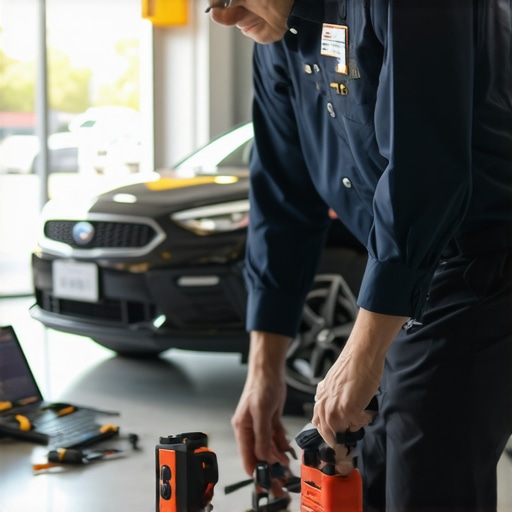
Beware of the Ensuring your vehicle remains trustworthy over time requires the right combination of equipment, software, and habits. Personally, I rely on a few specific tools that have proven their value in both daily checks and long-term maintenance. One essential tool I recommend is a **high-quality diagnostic scanner** like the Innova 3160g. It allows me to quickly run full-system diagnostics, uncovering potential issues such as sensor failures or electronic malfunctions before they escalate into safety risks. This proactive approach saves time and money while maintaining trustworthiness.
In addition to hardware, I use **vehicle history and inspection apps** such as CarVertical and AutoCheck. These platforms provide detailed reports on a car’s past repairs and accident history, helping me verify that the vehicle’s condition remains consistent with its documentation. I make a habit of checking these reports periodically, especially when dealing with newer or less familiar vehicles.
For ongoing safety, I use a **GPS tracking device** like the Vyncs Connect, which offers real-time location monitoring and maintenance alerts. Setting up alerts for unusual movements or excessive idling helps identify potential tampering or neglect, ensuring the vehicle is always operating within safe parameters.
Routine external inspections are fundamental. I perform quick visual checks using a **flashlight and mirror** to examine undercarriages and tires for signs of wear, leaks, or tampering — especially before long trips. Inside the vehicle, I verify the functionality of safety features such as airbags, seatbelts, and brake systems using a portable inspection kit.
Long-term maintenance is supported by a **maintenance log app** like Autodata, which tracks scheduled service intervals. Keeping an organized record ensures that routine tasks like oil changes, brake inspections, and tire rotations are never overlooked—helping the vehicle stay in peak shape and reducing unexpected breakdowns.
Looking forward, I believe that integrating **IoT-connected devices** into vehicles will become the norm, offering continuous health monitoring and predictive diagnostics. These advancements will empower travelers and drivers to stay ahead of issues, ensuring safety and reliability at all times.
How do I maintain vehicle reliability over time?
Regularly updating diagnostic tools and maintaining vigilant inspection routines are key. Consistent use of calibration tools and software updates keep your verification systems effective, while scheduling routine inspections based on manufacturer recommendations prevents small issues from becoming major problems. For comprehensive strategies, check out [our guide on maintaining punctual and safe hourly reservations](https://privatedriverpro.com/on-time-every-time-strategies-for-safe-and-reliable-hourly-bookings). Adopting a proactive mindset with these tools and habits will ensure your vehicle’s safety and reliability, earning your peace of mind in every journey.
Lessons From My Unseen Pitfalls in Securing Reliable Rides
One of the most profound lessons I learned was realizing that even meticulous checks can fall short without a mindset shift. I once trusted a driver’s badge and didn’t bother verifying the VIN; it nearly led to a dangerous situation. Since then, I’ve learned that a proactive, skeptical approach—questioning every detail—can save you from unexpected risks.
Patience is your best ally. Rushing to get into a vehicle might cause you to overlook obvious signs of tampering, like mismatched paint or strange smells. Taking an extra minute to perform quick visual and physical checks continuously pays off. I’ve found that cultivating this habit transforms verification into second nature, drastically reducing my worries before each ride.
The real game-changer was understanding that technology isn’t foolproof. Apps, live tracking, and digital records are invaluable, but they must complement your personal vigilance. Relying solely on devices can create blind spots, especially when scammers spoof data. A balanced approach—using tools wisely while trusting your instincts—creates a robust safety net.
Tools and Resources That Changed My Perspective
My trusted diagnostic scanner — the Innova 3160g — is a game-changer. It helps me perform swift system checks, catching electronic issues before they become safety hazards. Paired with vehicle history services like CarVertical, I gain a complete picture of the vehicle’s past, ensuring consistency with current conditions. For ongoing maintenance, I turn to apps like Autodata, which keep my vehicle’s service schedule clear. Lastly, real-time GPS monitoring using devices like Vyncs Connect gives me ongoing oversight, alerting me to any anomalies instantly. These tools together empower me to verify every ride thoroughly and confidently.
Take Charge of Your Next Journey
Remember, verifying your ride is more than a precaution—it’s a practice that transforms travel from a source of anxiety into a source of empowerment. Incorporate these insights and tools into your routine, and you’ll navigate every trip with greater assurance. Want to stay a step ahead? Dive into our detailed [safety guidelines](https://privatedriverpro.com/safety-precision-the-key-to-reliable-hourly-reservations-for-peace-of-mind) and become a proactive traveler. Your safety isn’t just a checklist; it’s your right—and it begins with the confidence to verify and trust your ride every time.