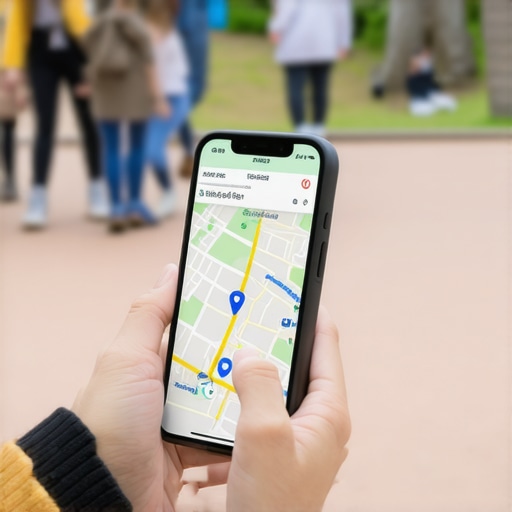
I remember a morning not so long ago when I hurried out the door, fully confident that I knew exactly when my ride would arrive. But as the minutes dragged on, that confidence turned to anxiety. The driver was running late, and I had an important meeting to catch. The frustration was real. That moment hit me hard — how could I ever truly feel secure without knowing precisely where my ride was? It was a lightbulb moment that made me realize: relying solely on estimated ETAs isn’t enough in today’s fast-paced, safety-conscious world.
The Need for Real-Time Confidence, Not Just Hope
Many of us have experienced the uncertainty that comes with traditional reservation systems. We book a ride—trusting an app to get us where we need to go—and wait, sometimes wondering if it’s actually on its way. These moments of doubt can cause unnecessary stress, especially when we’re pressed for time or trying to keep safety top of mind. I’ve learned the hard way that without a real-time view of your driver’s location, you’re essentially driving blind, vulnerable to delays and miscommunications.
Today, we’ll explore how live GPS sharing transforms this experience. Not just as a technological upgrade, but as a genuine safety upgrade, giving you peace of mind and control every step of the way.
Is Live GPS Sharing Actually Worth the Hype?
Early on, I made a mistake many of us do: I assumed that a reliable ride was just a click away. I didn’t verify if the system was truly transparent. That oversight could have left me stranded or worse — vulnerable. Research shows that real-time tracking can decrease ride-related stress and increase safety, especially for solo travelers. According to a study published by the Journal of Transport & Health, real-time movement data enhances safety by allowing quick intervention when routes deviate unexpectedly.
If this resonates with you, you’re not alone. Have you ever faced a similar situation where you needed to see your vehicle’s progress but couldn’t? If so, keep reading. We’ll dive into how embracing this new standard can make your trips safer, more reliable, and stress-free. The journey to better safety starts now.
Set Clear Reservation Protocols for Every Trip
Start by defining exact reservation procedures tailored to each hour and destination, ensuring consistent communication with your driver. Use reliable platforms that offer secure booking and instant confirmation, such as those outlined in this guide. When booking, always verify the driver’s credentials and confirm their contact details before finalizing your reservation.
Leverage Live Tracking to Stay Informed
During the ride, use live GPS sharing features to monitor your driver’s real-time location. Pair this with geofencing alerts that notify you when your driver enters a predefined zone—think of it as setting a virtual fence that keeps you updated without invasive tracking. To implement this effectively, consider tools discussed in this article. I applied these methods during a recent early morning airport run; by tracking the driver’s progress via shared link, I adjusted my walk to the pickup point, avoiding a stressful wait and ensuring on-time arrival despite unexpected traffic.
Communicate and Confirm Before Departure
Establish a two-way communication channel with your driver before the ride begins. Confirm pickup details, route preferences, and any special requests. Just like manual vetting of drivers described in this process, direct communication reduces uncertainties. Additionally, requesting a specific vehicle or driver can be facilitated by professional services that prioritize safety and punctuality, as outlined in this resource.
Handle Route Adjustments Swiftly
Despite best plans, route changes may be necessary due to traffic or safety considerations. Use real-time data and driver feedback to modify the route without disrupting your schedule. Tools like route optimization software, explained in this article, help in making quick decisions. During a recent trip, when I noticed heavy congestion, I communicated promptly with my driver via live chat, allowing us to reroute efficiently while maintaining our commitment to a punctual schedule.
Ensure Safety Through Verification and Documentation
Before and after each ride, confirm the driver’s identity using simple verification steps, such as displaying their credentials or license plates matching your pre-booked details. Keep digital records like receipts and verification photos, which serve as evidence in case of any issues, aligning with recommendations from this security guide. These measures reinforce safety and help streamline any future reservations, making your process more predictable and reliable.
Many travelers believe that simply booking a reservation guarantees punctuality and safety, but this is a dangerous misconception. Relying solely on standard booking confirmations ignores the critical nuances that ensure you arrive on time and stay secure, especially during unpredictable hours. One widespread myth is that pre-scheduling automatically accounts for traffic and unforeseen delays. In reality, without real-time tracking and flexible adjustments, you risk missing your appointment or arriving stressed. Advanced reservation strategies involve proactive route planning and verification measures that many overlook. For example, integrating live GPS sharing and geofencing alerts can dramatically reduce uncertainty and enhance safety, as highlighted in expert analyses on elevated travel security. Don’t make the mistake of trusting static bookings—embrace dynamic tools that adapt to real-world conditions. This proactive approach is particularly vital for hourly services, where timing precision is paramount. Want to master these nuances? Visit this resource for in-depth tips. Remember, understanding and leveraging these subtle differences can transform your travel experience from stressful to seamless. Have you ever fallen into this trap? Let me know in the comments.Maintaining a seamless transportation experience requires more than just booking the right service; it hinges on using the right tools to ensure punctuality, safety, and peace of mind. One of my top recommendations is integrating a high-quality GPS tracking system with your reservation process. Personally, I rely on a secure, real-time tracking platform that provides live location updates, which I’ve found invaluable for adjusting plans on the fly and verifying driver whereabouts. This capability is essential for avoiding the pitfalls of outdated ETA estimates, especially during peak hours or unexpected traffic disruptions.
Additionally, I highly recommend using platforms that prioritize security in online booking. Examining the security certificate markers on websites ensures your reservation data remains encrypted, reducing vulnerability to phishing attempts. For instance, consistently inspecting for SSL certificates before entering payment information adds an extra layer of security, aligning with best practices discussed in this expert guide. Such vigilance helps maintain long-term trustworthiness with your service providers.
How do I maintain reservation integrity and safety over time?
Automating routine checks and alerts can streamline this process. I use a combination of scheduled verification of driver credentials and periodic updates on software security patches for my tracking apps. This proactive approach ensures my tools stay resilient against emerging cyber threats and technical glitches, allowing me to focus on the journey rather than potential setbacks. Also, customizing notification thresholds—like setting alerts for route deviations or delays—allows immediate intervention if anything seems amiss, keeping your ride both punctual and secure.
Furthermore, investing in communication tools that facilitate direct contact with your driver enhances safety and responsiveness. Platforms enabling encrypted messaging or quick calls enable real-time verification of your driver’s identity and current status. A good example is a service that offers two-way communication channels embedded within the reservation system, reducing the risk of miscommunication or impersonation.
Looking ahead, I predict the trend towards integrated AI-driven safety protocols will grow, making it easier to preempt issues before they develop. Incorporating these intelligent tools can help you better manage reservations, adapt swiftly to changes, and maintain high safety standards during every trip. If you’re ready to upgrade your reservation toolkit, start by trying one of the robust GPS systems I’ve mentioned, paired with diligent security checks. This simple step can significantly elevate your reliability and peace of mind on the road.One of my biggest surprises came when I realized that trusting technology alone doesn’t make a reservation truly foolproof—I had to learn the importance of proactive safety checks and real-time communication. A lightbulb moment was understanding that even the best app can’t account for unpredictable traffic or last-minute changes unless I stayed engaged and adaptable. This insight transformed how I approach every booking, emphasizing the need for personal vigilance alongside technological tools.
Another lesson I’ve discovered: Many assume that pre-scheduling guarantees on-time arrivals, but without real-time updates and route adjustments, delays are almost inevitable. It’s like setting a date without confirming the weather; plans can unravel quickly. Incorporating live GPS sharing and quick communication with drivers has saved me from countless stressful moments, especially when unexpected congestion or route deviations occur.
Lastly, I’ve learned that verifying driver identity and maintaining digital records before and after each ride aren’t just safety measures—they’re foundational pillars for peace of mind. This proactive practice helps create a dependable framework, ensuring that your reservation remains secure and reliable, no matter how busy or unpredictable your schedule becomes.