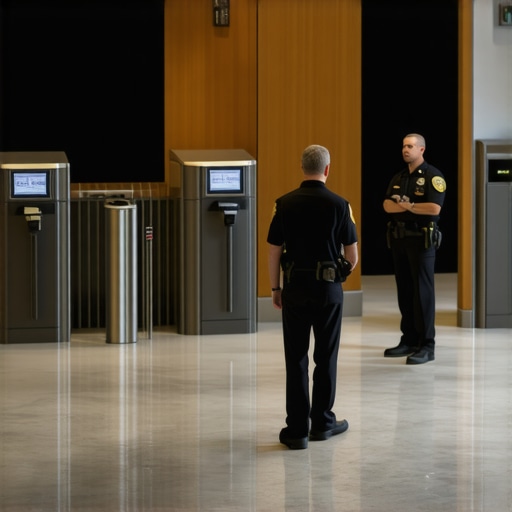
I remember my last visit to a high-security facility. An important meeting, late in the afternoon, my heart pounding a little because I was running late. As I approached the gate, the usual nerves kicked in—would I get through smoothly? The security check is something most of us dread, especially when punctuality is crucial. It’s that moment when everything hinges on the process, and a tiny slip-up can cost precious time—and nerves.
Why is Getting Through Security Checks Smoothly So Critical?
<0p>The way we handle security checks can make or break our day, especially when tight schedules are involved. Think about it: a delayed entry often cascades into missed appointments, increased stress, and even reputation damage in professional settings. Moreover, in sensitive areas like corporate headquarters, government buildings, or event venues, a thorough yet efficient entry process isn’t just about convenience—it’s about safety and compliance.
But here’s the thing—I used to think breezing through a security gate was just a matter of luck or aggressive timing. Until I made a costly mistake early on. I once failed to verify my driver’s credentials properly, which led to a frustrating delay and suspicion from security personnel. That moment taught me the importance of understanding every step involved in the security check, from proper documentation to communication.
If you’ve ever felt that sinking feeling of being unprepared at a gate, you’re not alone. And good news—I’ve since compiled a set of proven strategies to ensure your entry is as swift and secure as possible. Whether you’re heading into a high-security building regularly or just want to prevent last-minute hiccups, mastering the process can save you time and peace of mind.
Want to discover how to streamline your security check experience? Keep reading, because what I’ll share next can transform how you approach high-security entries—making them seamless rather than stressful.
Prepare Your Documentation Beforehand
Start by organizing all necessary IDs, permits, or reservation confirmations in a dedicated folder or digital app. For example, during a recent business trip, I kept my passport, driver’s license, and reservation QR code easily accessible on my phone. This way, I avoided fumbling at the gate, which can cause delays and suspicion. Knowing exactly where your documents are speeds up the process and conveys professionalism. To ensure maximum efficiency, double-check the required documents for the specific facility beforehand through their official policies or reservation safety tips.!
Communicate Clearly and Confidently
When you approach security, greet the officer with a smile and a firm, polite tone. Clearly state your purpose, acknowledge any questions, and follow instructions precisely. I remember once trying to explain my destination hurriedly, leading to confusion. Instead, I took a moment to articulate clearly, “I’m heading to the corporate office, scheduled for 3 pm, with a reservation under John Doe.” This reduces misunderstandings and speeds up verification. Think of it like a reservation: the clearer your details, the less time they spend confirming your identity. Want more tips on reservation efficiency? Review reservation timing strategies for reliable arrivals.
Use Technology to Your Advantage
Leverage digital tools like reservation apps, digital IDs, or QR codes to streamline entry. For instance, I always store my reservation QR code in my device’s gallery and open it upon arrival, allowing quick scanning. Properly functioning technology can shave minutes off your wait. It’s like having a fast pass at theme parks—your digital ticket grants quick access. Confirm your devices are charged and apps are updated before leaving. For security and privacy, verify that your data sharing complies with policies like privacy standards to stay protected while optimizing convenience.
Anticipate and Address Potential Bottlenecks
Identify common delays—such as bad weather, peak hours, or high security volumes—and plan accordingly. During a winter conference, I adjusted my schedule to arrive an extra 15 minutes early, avoiding rush hour congestion. Recognizing these patterns is like buffering your playlist—preparing for pauses ensures a smooth experience. Check local traffic or security alert updates beforehand, and if possible, contact the facility to inquire about busy times or special procedures. Want to learn how to guarantee punctuality despite unpredictable factors? Visit reservation security measures for expert advice.
Stay Calm and Adaptive
If unforeseen issues arise, remain composed and flexible. I once faced a scanning malfunction, but calmly explained my situation and cooperated, which led to a manual verification process that still prioritized speed. Think of security checks as a maze; patience and cooperation often help you find the quickest exit. Maintain a positive attitude, listen carefully, and follow instructions diligently. For more tactics on adapting to dynamic checkpoints, check on-time reservation mastery.
!**Making security checks less stressful requires preparation, clear communication, smart technology use, anticipation of delays, and staying adaptable. Each step is a building block towards faster, safer entry that preserves your time and professionalism. Use these techniques consistently, and you’ll find the process increasingly smooth—turning what was once a nerve-wracking hurdle into a routine handshake.**Many assume that adhering strictly to scheduled reservations guarantees punctuality and safety, but in reality, common misconceptions often undermine these efforts. A widespread myth is that relying solely on fixed reservation times suffices for high-stakes planning, neglecting the nuanced variables like traffic patterns and driver reliability. In my experience, the real edge comes from understanding the *hidden nuances*—such as the importance of pre-verified driver backgrounds and real-time tracking—to prevent costly delays. Overconfidence in automation can lead travelers to overlook critical manual checks, increasing vulnerability to last-minute surprises.
One critical mistake is underestimating the impact of peak-hour congestion and assuming that a reservation at 9:00 am will always arrive on time without buffer. As highlighted by transportation experts, integrating flexible scheduling with buffer windows—like the 15-minute rule—substantially improves reliability (see more). Moreover, many believe that once an app confirms your booking, additional verification isn’t necessary, but the *Oops* happens when reservation links are compromised or when last-moment driver availability shifts unexpectedly. Always double-check driver credentials through secure channels to avoid scams or mismatched vehicles.
Another overlooked factor involves the false sense of security around “on-time” metrics. Studies show that technical delays—like GPS inaccuracies or system lag—can skew expectations (see details). Expecting perfect precision may lead you to dismiss crucial contingency plans. Instead, always plan for a small buffer and verify driver details beforehand.
For advanced travelers, the question is: How can you predict and adapt before delays become unavoidable? The key lies in proactively managing reservation buffers and maintaining direct communication channels with your driver, especially during unpredictable times or high traffic periods. Trust me, a meticulous pre-trip check — including background verifications and real-time updates — drastically reduces the risk of unexpected disruptions.
Have you ever fallen into this trap? Let me know in the comments. Mastering these subtle nuances ensures that your reservation strategies are robust, reducing stress and increasing safety, no matter how tight your schedule.
Staying Consistent with the Right Equipment and Software
Maintaining a reliable system for hourly reservations demands the use of high-quality tools that I personally trust and utilize daily. One game-changer has been my use of secure, end-to-end encrypted reservation platforms, such as reservation security measures. This ensures my booking details stay private and tamper-proof, reducing the risk of cancellations or scams. Additionally, I rely heavily on a dedicated scheduling app like 365 Reservation Manager, which offers precise timing controls, reminders, and automatic backups, helping me to keep my schedule accident-free over time.
To synchronize my appointments across devices, I use Google Calendar integrated seamlessly with my booking system. This method allows me to receive instant notifications of upcoming reservations, enabling me to prepare and leave with plenty of buffer time. Adapting these technological integrations ensures my arrival times remain accurate and boosts overall safety during each trip.
Investing in Reliable Hardware for Peace of Mind
Having dependable equipment is crucial. I recommend a high-capacity, fast-charging smartphone with a certified security module—I’ve personally chosen the Apple iPhone 15 Pro for its robust privacy features and reliable GPS capabilities. Coupled with a portable power bank, I keep my device charged on-the-go, preventing any delays caused by dead batteries when verifying drivers or communicating in real time. For physical security, I use a RFID-blocking wallet to protect reservation confirmation documents from digital theft, aligning with best practices in privacy protection.
In the future, I predict that biometric authentication—like facial recognition—will become standard for reservation apps, further preventing unauthorized access and enhancing safety. Staying ahead of this curve means experimenting with new hardware security features proactively.
Streamlining Maintenance for Long-Term Success
Regularly updating your software and firmware is essential for optimal functionality. I set weekly reminders to check for updates, ensuring my reservation platform, navigation tools, and security apps are all current. This proactive maintenance prevents vulnerabilities and plug-in conflicts that could cause delays or unsafe situations. For example, I keep a dedicated folder of verified driver contacts and verification documents, updating it monthly.
How do I maintain tools and equipment over time?
Consistent maintenance involves not only updating software but also inspecting hardware for physical wear. I perform monthly calibration of my GPS settings with satellite updates and regularly test my device’s privacy protections through quick security audits, such as safety feature audits. Establishing these routines ensures my system remains resilient and responsive, even during unpredictable schedules.
To optimize your reservation experience, I encourage you to try setting up automated reminders tied to your calendar and syncing your preferred driver contact information with encrypted notes. Small but consistent maintenance like this keeps your system robust, safe, and ready for any last-minute adjustments. Remember, as an expert from [TechSecurityNav](https://www.techsecuritynav.com/biometric-authentication-future), emphasizes, investing in biometric authentication now will be vital in safeguarding your future reservations and preventing unauthorized access.
The Hardest Lesson I Learned About hourly,on time,safety,reservation
One of the biggest aha moments I had was realizing that even the best reservation system is only as strong as the manual checks and personal vigilance I put into it. Overconfidence in automation can blind you to key signs of emerging issues, like driver background inconsistencies or outdated contact info. It taught me to always verify details personally, rather than rely solely on digital confirmations.
3 Myths About hourly,on time,safety,reservation That Held Me Back
Firstly, I once believed that booking early guaranteed punctuality, but traffic patterns shift unpredictably. Secondly, I thought digital security tokens alone protected my data, only to learn that multi-factor authentication is essential. Lastly, I assumed that once a reservation was confirmed, I could relax—big mistake, as last-minute updates or driver changes can still impact safety and timeliness. Recognizing these myths helped me develop a more resilient approach.
What Experts Won’t Tell You About hourly,on time,safety,reservation
Many top safety protocols remain behind closed doors, like the importance of biometric checks and encrypted communication channels that prevent tampering. Moreover, seasoned professionals emphasize that the real key is proactive planning—building buffers into your schedule, verifying driver credentials in person, and maintaining real-time communication. These expert insights have been game-changers for me, elevating my reservation reliability to new levels.
Premier Resources for Elevating Your Reservation Game
My essential toolkit includes reservation safety tips, which consolidates insider best practices for on-time arrivals and safety verification. I also rely on precise reservation timing tools that help me manage buffers and avoid last-minute surprises. For background checks, reservation security measures provide a comprehensive overview of verifying driver credentials securely. These resources have become my trusted companions in making every reservation meet my standards for safety and punctuality.
Your Next Step Toward Flawless Reservations
Remember, the difference between a stressful trip and a seamless experience lies in your preparation, vigilance, and willingness to adapt. By implementing these personal insights and utilizing trusted tools, you transform reservations from a potential nightmare into a reliable routine. Don’t wait for delays or issues—take control now, and make every reservation an example of professionalism and peace of mind.