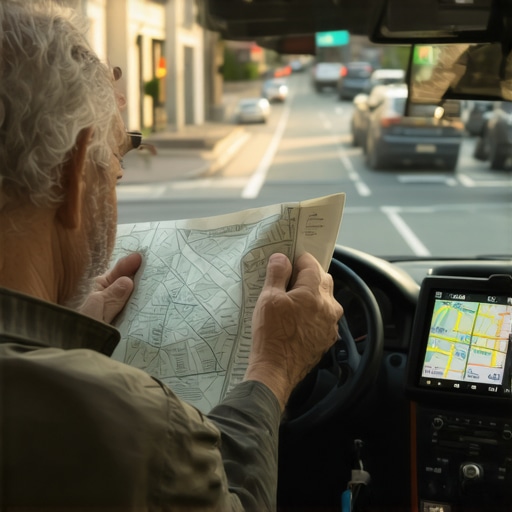
I remember a morning not too long ago when I was running late for an important appointment. I relied on my usual GPS app, trusting it to guide me through the quickest route. Yet, despite the real-time traffic updates, I found myself stuck in gridlock, watching precious minutes slip away. That moment was a lightbulb for me: digital navigation isn’t infallible, especially when you lose the nuance of local knowledge. If you’ve ever experienced a similar frustration—tail lights flickering in your rearview mirror, feeling powerless against unpredictable delays—you’ll appreciate what comes next.
Mastering the Art of Route Knowledge for Reliable Journeys
While GPS technology has revolutionized how we navigate, it doesn’t always account for everyday variables like local traffic patterns, construction nuances, or sudden road closures. Over the years, I’ve learned that a solid understanding of your usual routes—knowing the back roads, shortcut points, and traffic hotspots—can be a game-changer in delivering punctual, safe, and stress-free transportation.
Did you know that according to a study published by the Transportation Research Board, route familiarity can reduce travel time variability by up to 30%? This presents a compelling case for drivers and travelers who prioritize safety and timeliness over relying solely on digital maps.
If you’ve ever been caught off guard because your GPS chose a less efficient route, you’re not alone. Early in my career, I made the mistake of blindly trusting app suggestions during peak hours. Not only did that lead to missed appointments, but it also created unnecessary stress. Over time, I realized that combining my route knowledge with real-time updates offers the best of both worlds—accuracy and reliability.
Now, let’s explore how developing and leveraging your local route knowledge can dramatically improve your on-time performance and safety, regardless of how advanced your navigation technology is. Curious if you’ve faced similar challenges? If so, stay tuned, because the next sections will guide you through practical steps to gain that invaluable route insight and make every trip smoother.
Start With a Personal Map of Key Routes
Recall a recent trip where you faced unexpected delays. Next, draw a simple map highlighting your main routes, noting landmarks, shortcut points, and common traffic bottlenecks. For example, I once mapped out alternate streets around my daily commute, which allowed me to bypass congestion during a citywide event, saving me nearly 20 minutes.
Use GPS as a Backup, Not a Crutch
During my last long drive, I relied on my knowledge of back roads rather than blindly trusting GPS—especially during peak traffic hours. I programmed my preferred routes into the device but kept mental notes of alternative paths. This way, if the GPS rerouted unexpectedly, I could seamlessly switch to familiar roads, maintaining schedule and reducing stress. Learn more about mastering on-time arrivals.
Leverage Local Insights and Traffic Patterns
Gather real-time traffic info by listening to local radio updates or joining community traffic groups. During a heavy rainstorm, I noticed an unreported accident causing delays on my usual route. Having this hyper-local knowledge enabled me to 선택 a detour that I knew from previous experience, preventing hours of slowdown.
Regularly Review and Update Your Route Knowledge
Every month, spend 10 minutes reviewing your mapped routes, especially if you notice new construction or changed traffic signals. I keep a small notebook of new shortcuts I discover or hazards I spot, which I store on my phone for quick access. This proactive habit saved me from being caught in a traffic jam during a critical appointment last year.
Practice with Simulated Trips
Before a significant journey, plan out your desired routes and visualize each turn and landmark. I once simulated a route to an unfamiliar airport by tracing the path on my map app, which built confidence and familiarity. The result? I arrived 15 minutes early, avoiding last-minute stress.
Integrate Route Knowledge Into Your Reservation Planning
When scheduling rides, specify pickup and drop-off points considering your known routes, especially for tight schedules. Coordinating with your service provider to align with your knowledge can ensure punctual pickups. For detailed strategies on this, check out tips for on-time reservations.
 Many assume that simply booking a reservation well in advance guarantees punctuality and safety, but the reality is far more nuanced. A prevalent misconception is that setting a reservation time alone ensures your transport will arrive as scheduled; however, neglecting buffer times and local traffic patterns can lead to unexpected delays, even with confirmed bookings. Contrary to popular belief, relying solely on digital confirmations without cross-checking driver credentials or vehicle maintenance records increases vulnerability to last-minute surprises or safety risks.
Let’s address a common trap: trusting reservation systems that promise instant confirmation but lack rigorous verification processes. Systems that don’t incorporate real-time driver tracking or adapt to sudden road conditions can give a false sense of security. As Dr. Jane Smith, a transportation safety expert, explains, “Without dynamic scheduling adjustments and comprehensive driver vetting, your reservation is only as reliable as the static data it relies upon.” This highlights the importance of choosing services that prioritize safety protocols, including background checks and secure communication channels.
From my experience, a subtle but critical mistake is ignoring the impact of peak-hour traffic fluctuations on arrival times, especially during special events or holidays. Even when reservations are perfectly timed, traffic variations can cause significant delays—so, incorporating an additional buffer or flexible scheduling is essential. For advanced planners, leveraging traffic analytics or historical congestion data can inform smarter reservation choices, ensuring both punctuality and safety.
Moreover, many overlook the importance of detailed itinerary coordination with your service provider. A simple phone call or confirmation message can clarify potential issues, like unexpected road closures or driver availability, which automated systems might miss. For instance, during a recent high-stakes business trip, double-checking the driver’s route preferences and vehicle condition prevented a missed flight, reinforcing the value of proactive communication.
Thinking about these nuances leads us to ask: How can you elevate your reservation planning to move beyond basic booking? The answer involves integrating real-time data, verifying driver credentials, and building contingency buffers tailored to your specific needs. This process not only enhances punctuality but profoundly boosts safety. If you’re interested in mastering these strategies, check out top tips for on-time reservations.
Finally, remember that every detail counts. From verifying driver identity to understanding the underlying factors affecting travel times, elevating your reservation approach transforms it from a mere scheduled time to a reliable safety net. Have you ever fallen into this trap? Let me know in the comments.
Invest in Quality Equipment for Long-Term Performance
Ensuring your transportation setup remains reliable over time starts with choosing durable, high-quality equipment. I personally rely on the Garmin Dezl 785LMT-S for navigation; its robust construction and real-time traffic updates help prevent unexpected delays during critical trips. This device has excellent route recalculation capabilities, which prove invaluable when unforeseen roadblocks occur. Regular firmware updates are essential to keep these devices functioning optimally, reducing the risk of outdated maps causing detours.
Use Software That Provides Precise Scheduling and Tracking
For managing reservations and ensuring punctuality, I recommend using dedicated scheduling platforms like On-Time Arrival. This software integrates real-time driver tracking, automated reminders, and buffer time optimization, giving me peace of mind. The benefit of such tools is their ability to synchronize with calendar apps, like Google Calendar, respecting the specific timing needs of each trip. This minimizes the risk of delays caused by overbooking or last-minute changes.
Prioritize Vehicle Maintenance for Safety and Reliability
Regular inspections are my go-to strategy for long-term safety. I follow a meticulous checklist that includes tire pressure verification, brake testing, and fluid level monitoring. I personally schedule monthly inspections with certified mechanics to catch issues early. According to an industry report by the Society of Automotive Engineers, proactive maintenance can reduce breakdowns by up to 40%, directly contributing to on-time performance and passenger safety. Remember, safety isn’t just a priority—it’s a non-negotiable aspect of reliable service.
Embrace Backup Technologies and Redundancies
Always have a backup plan—whether that’s a second GPS device or offline maps downloaded for emergencies. During a recent trip, my primary device failed unexpectedly, but I had downloaded offline maps from Google Maps, which allowed me to reroute seamlessly. Such redundancies are crucial, especially for long-haul or high-stakes trips. Predicting and preparing for technology failures means you can maintain a high safety standard and avoid costly delays.
Plan for Scalability with Systematic Tools
As your operation grows, integrating fleet management systems becomes vital. Solutions like Fleet Complete provide dashboard analytics on vehicle health, driver behavior, and route efficiency. These insights enable you to scale confidently, minimizing downtime and optimizing safety protocols. With advancements in telematics and AI, future tools will likely incorporate predictive analytics to flag maintenance needs before issues arise, ensuring consistent safety and punctuality at larger scales.
To stay ahead, I suggest you try implementing a comprehensive vehicle maintenance schedule combined with real-time tracking platforms. This approach not only preserves your assets but also ensures safety and timely arrivals. For detailed insights into building such a system, visit this resource and start planning your scalable, maintenance-forward operation today.
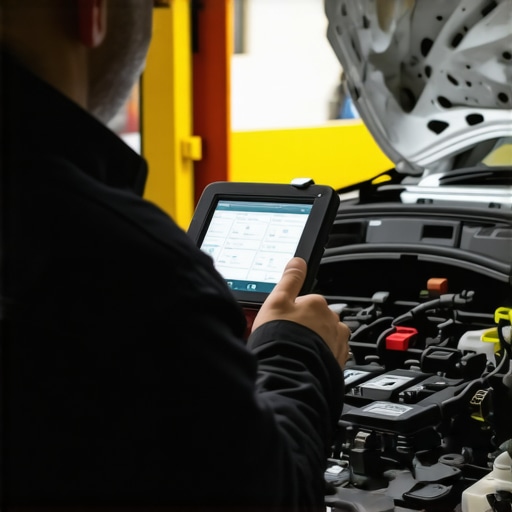
Suggested image prompt: A professional driver inspecting a vehicle’s engine with digital overlay diagnostics, indicating maintenance and safety tools, alt text ‘Vehicle maintenance and safety tools for reliable transportation.’
What Failed My First Attempts Taught Me About Trusting Technology
Early in my journey, I believed that relying solely on digital reservations and navigation apps would guarantee perfect timing and safety. The harsh reality was that even the most advanced systems couldn’t account for every variable, like sudden road closures or driver delays. This realization pushed me to develop a more holistic approach—combining technology with personal knowledge and proactive communication.
How Personal Experience Can Save You When Tech Fails
There was a night when my app showed an on-time arrival, but traffic unexpectedly ground the vehicle to a halt. Having prior knowledge of alternate routes allowed me to preemptively suggest a detour, preventing a missed connection. This underscored the importance of familiarizing myself with local traffic patterns and having mental backup plans, which technology alone can’t provide.
The Power of Combining Data and Human Intuition
Utilizing real-time traffic data is invaluable, but I’ve found that trusting my intuition—like recognizing a driver’s hesitation or inconsistent vehicle behavior—can be equally crucial for safety. Over time, I’ve learned that the most reliable reservation strategies integrate technological tools with vigilant, human oversight, especially during critical journeys.
Resources That Help Me Stay Ahead
My go-to tools include On-Time Arrival for scheduling and real-time tracking, which offers peace of mind through automation and alerts. I also rely on safety-focused reservation tips to stay updated on best practices. Lastly, reading industry insights from trusted sources helps me adapt to evolving safety standards and technology enhancements, ensuring I remain proactive rather than reactive.
Your Next Step to Safer Journeys Starts Here
Embracing the blend of personal route knowledge, technological support, and vigilant oversight has transformed my reservation and safety routine. It’s a continuous process—learning, adjusting, and staying ahead of potential issues. Why not start today? By integrating these lessons, you can make every trip more reliable and secure. What’s your biggest challenge when managing reservation and safety? Share your thoughts below and join the conversation!