
I stood on a curb outside the terminal, the wind biting through my jacket, watching my screen flash a ‘Payment Declined’ notification. It was 2 AM. My driver, whom I’d booked weeks ago for a reliable hourly reservation, was likely wondering why the system hadn’t released the funds for our trip. The culprit? A card I’d replaced three days prior and completely forgot to update in my profile. I spent forty minutes on the phone with a sleepy customer service agent while my luggage got soaked. It was a mess. That moment taught me that punctuality isn’t just about the driver showing up; it’s about the silent tech dance happening in the background. Today, I want to walk you through the right way to manage your payment data so you never find yourself stranded. We aren’t just talking about typing in numbers; we are talking about reservation security measures that protect your bank account while ensuring your ride is always there. Have you ever had a ride cancelled at the very last second because of a payment glitch? It is a special kind of stress that no traveler deserves.
Stop Letting Expired Cards Kill Your Punctuality
Most people think a booking is a one-and-done deal. I used to think that too. But when you rely on the 3 AM pickup blueprint for your heavy-duty travel days, a stale credit card is a literal roadblock. My biggest mistake early on was assuming the auto-fill on my browser would solve everything. It didn’t. It just created a conflict between the booking portal and my bank that I didn’t see coming until it was too late. If you want to ensure your driver is on time, you have to be on time with your data. Updating your card shouldn’t feel like a chore, but it needs to be done through the right channels to remain effective.
Is it really safe to store my new card info?
It’s a completely fair question to ask. With all the news about data leaks, I’m usually the first person to get twitchy about hitting ‘Save Card.’ However, the risk of using a sketchy, unverified link is much higher than using a dedicated, encrypted portal. According to recent cybersecurity data from the Identity Theft Resource Center, financial service breaches increased significantly last year, making it essential to verify your payment is processed via a secure gateway before you even think about entering that CVV code. When I’m looking at the 3 signs of a secure online payment, I’m looking for more than just a little padlock icon in the corner. I’m looking for a system that respects my privacy and doesn’t store my raw data where any bored hacker can find it. By following a few simple steps, you can refresh your profile without leaving yourself vulnerable to digital theft.Updating your payment information is like checking the oil in your car; you don’t do it because it’s fun, you do it so the engine doesn’t seize halfway to the airport. The first thing I do now is a manual audit of my profile. I log in and delete any expired or ‘ghost’ cards that might be sitting in the primary slot. This ensures the system doesn’t accidentally attempt to authorize a card with a zero balance or an old expiration date. This proactive step is a core part of on-time every time strategies for safe and reliable hourly bookings because it removes the most common friction point between you and your driver. When the payment clears instantly, your car stays assigned to you without a hitch. #IMAGE_PLACE_PLACEHOLDER_B# I once spent twenty minutes specifically updating my billing zip code while sitting in a cafe before a big meeting in New York City. I knew my bank was aggressive about cross-state transactions. It felt a bit paranoid at the time, but the driver arrived ten minutes early and the payment cleared without a single ping to my phone. Meanwhile, my colleague, who hadn’t touched his profile in months, was stuck on the curb for forty minutes dealing with a ‘fraud alert’ while his driver was forced to move on to the next client. I learned then that the difference between a reservation and a confirmed booking often comes down to that successful pre-authorization.
Manual Data Entry Beats Auto-Fill Every Time
Your browser’s ‘save card’ feature is a trap for frequent travelers. It often misses the specific billing address nuances that high-end booking systems require for fraud prevention. When you are setting up an hourly reservation for peace of mind, take the sixty seconds to type the numbers in manually. This forces you to verify the expiration date and the CVV. If you ever feel uneasy, remember that how we secured our booking portal against personal data theft is designed to handle this specific data safely. You should also know how to detect a fraudulent website before entering your credit card to protect your financial footprint from the start.
Audit the Billing Address to Avoid Bank Holds
Banks are increasingly aggressive about travel-related charges. If your billing address on the reservation doesn’t match the card’s official record exactly—down to the ‘Suite’ or ‘Apt’ number—the bank might place a temporary hold on the funds. This hold can prevent the final booking from processing, even if you have the money. I always double-check this because how to store your trip data securely away from third-party apps involves ensuring that only accurate information is transmitted.
Sync with a Human Dispatcher for High-Stakes Trips
If you’re booking a complex, multi-stop route, don’t just trust the ‘Success’ screen. For critical trips, I check the status in the portal a few hours after booking. This is why we prioritize human dispatchers over pure AI scheduling; a human can see if a payment is ‘pending’ rather than ‘cleared’ and flag it before the driver is even dispatched. When everything is green-lit, you can enjoy the ride knowing how an hourly rate protects you from unforeseen traffic jams and other delays. Ensuring the backend is clean is the secret to reserving your spot and guaranteeing safety and punctuality 24/7. Always run through the checklist for booking a safe vehicle for multiple stops before you finalize the payment update.Most travelers operate under the delusion that a confirmation email is a legal contract of arrival. It’s not. In the industry, we call this the ‘False Positive’ trap. You get the email, you see the checkmark, and you stop paying attention. But if your bank flags that transaction as suspicious three hours later, the system might quietly release your car to another client without a second notification. This is the difference between a reservation and a confirmed booking—one is a request, the other is a secured asset. I’ve seen too many people fall for the ‘One-Way’ trap when they have multiple stops. They think they are saving money by booking three separate rides. In reality, why one-way bookings often lead to unnecessary stress for travelers is simple: you lose the ‘chain of custody’ on your safety. If the first driver is late, the second one isn’t waiting for you. Switching to an hourly model is the only way to ensure the car stays in your control.
Does a ‘Reserved’ Status Actually Guarantee My Driver is Awake?
It sounds cynical, but for those 3 AM flights, it’s the most important question you can ask. Advanced travelers know that automated systems can ‘assign’ a driver who hasn’t actually acknowledged the shift. This is why I always look for a service that uses the 3 AM pickup blueprint. A study by the National Sleep Foundation highlights that sleep deprivation can impair driving as much as alcohol, which makes the human verification of a driver’s status a safety requirement, not just a luxury. If your ‘reserved’ status doesn’t include a human-in-the-loop confirmation, you’re gambling with your schedule. Another common myth involves trusting the ‘shortest route’ on your phone. Why professional drivers avoid the shortest routes on GPS comes down to the volatility of side streets. An algorithm sees a clear alleyway; a local driver knows that same alleyway gets blocked by garbage trucks every Tuesday morning. That specific way local knowledge beats GPS algorithm timing is what saves your meeting when the main highway turns into a parking lot.  Have you ever fallen into this trap where you thought you were booked, only to find out the ‘algorithm’ failed you? Let me know in the comments. Digging into the essential hourly reservation tips for timely service isn’t about being paranoid; it’s about being prepared. When you move past the basics, you start to see that mastering the art of reservation and safety every hour is what separates a stressful trip from a seamless one.
To stay truly ahead of the curve, I don’t just rely on the chauffeur’s dashboard; I use my own stack of monitoring tools to ensure nothing is left to chance. My secret weapon is the integration of ADS-B flight data—the same stuff pilots use—to track the actual tail number of my arriving flight. When you combine this with a service that understands safety precision and the key to reliable hourly reservations, you aren’t just hoping for a pickup; you are engineering one. According to technical documentation from the FAA’s System Operations Dashboard, ground congestion accounts for nearly 18% of all terminal delays, meaning your driver needs more than just a smartphone to find you.
Ditch the Smartphone App for Dedicated Hardware
One thing I’ve learned from years of high-stakes travel is that why we use dedicated GPS hardware instead of smartphone apps isn’t just about being fancy. Smartphones are notorious for ‘thermal throttling’ and signal ‘ghosting’ when surrounded by the steel and glass of a major city center. A dedicated GPS unit has a much larger antenna array, providing a lock that doesn’t drop when you go under a bridge. This technical edge is why why real-time vehicle data is your best defense against lateness. If the system knows exactly where the car is within a three-foot margin, the dispatcher can make micro-adjustments to the route before a delay even manifests on a standard map app.
How do I keep my travel profile from becoming a liability?
Maintaining your travel profile over time requires a quarterly ‘data scrub.’ I personally set a calendar reminder every 90 days to log into my portal and verify that my primary contact number, preferred terminal gates, and emergency contact info are all current. This habit is one of the most effective top tips for on-time reservations at any hour because it prevents the ‘communication black hole’ that happens when a driver tries to call a number you haven’t used in two years. I also take this time to review my recent invoices to see if the ‘billing address’ still matches my latest bank statement. It’s boring, but it’s the bedrock of a stress-free life.
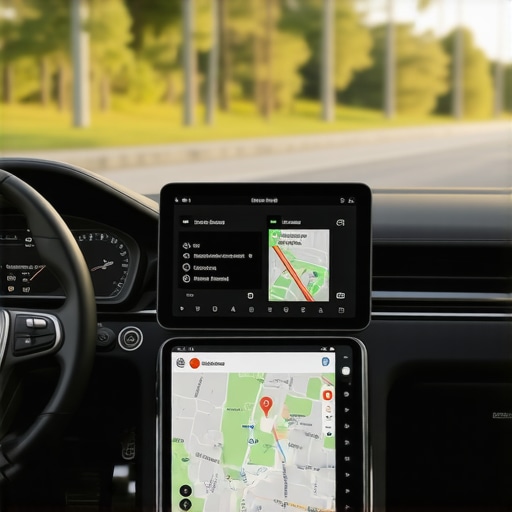
Why Your Fleet Audit Should Include the Windshield Wiper Test
When you are scaling your travel needs—perhaps booking for a whole team—you need a way to judge the maintenance of the fleet without being a mechanic. I always perform the windshield wiper test as a quick way to check fleet maintenance. If a company is diligent enough to replace small, inexpensive rubber blades, they are almost certainly staying on top of the brake pads and transmission fluid. This level of attention to detail is what ensures you are reserving your spot and guaranteeing safety and punctuality 24/7.
The Next Decade of Travel is Predictive and Integrated
Looking ahead, I predict we are moving away from manual bookings entirely. We are entering an era of ‘biometric scheduling’ where your calendar and your flight status will communicate directly with your chauffeur’s dispatch system via encrypted APIs. This will make the ‘False Positive’ trap a thing of the past. Until then, my best advice is to treat your reservation like a professional project. Try this today: Log into your profile right now and delete any credit card that expires within the next six months. Don’t wait for the system to fail; clear the path for your next journey today.
Hard-Earned Lessons from 2 AM Airport Curbs
Over the years, I have realized that the most expensive mistake you can make isn’t the price of the ride, but the cost of the lost time when a booking fails. My lightbulb moment came when I stopped viewing a booking as a passive event and started seeing it as a managed asset. First, I learned that the ‘pending’ status is your enemy; if your card isn’t verified within an hour, the car isn’t truly yours. Second, I realized that the difference between a reservation and a confirmed booking is often just a single, manual verification step that takes sixty seconds but saves hours of stress. Finally, I’ve found that staying secure and punctual requires a level of detail that most apps simply cannot provide.
My Travel Stack for Zero-Stress Pickups
I don’t leave my schedule to chance, and neither should you. My personal toolkit for travel includes FlightRadar24 for tracking tail numbers with ADS-B precision, ensuring I know where my plane is before the airline does. I also rely on a dedicated digital vault for storing my billing details safely. Most importantly, I choose services that understand why we prioritize human dispatchers over pure AI scheduling because a human can solve a payment glitch that an algorithm will just use as a reason to cancel your ride. These tools are the foundation of my guide to on-time reservations at any hour.
Take Control of Your Next Journey Today
Punctuality is a choice, and security is a habit. By cleaning up your payment data and auditing your profile, you are removing the friction that leads to travel nightmares. You deserve to step off that plane and see your driver waiting, not a ‘Declined’ notification on your phone. Reclaim your peace of mind by mastering the art of the secure reservation. Have you ever had a ride cancelled at the last minute because of a bank error or an expired card? Let me know how you handled it in the comments below!