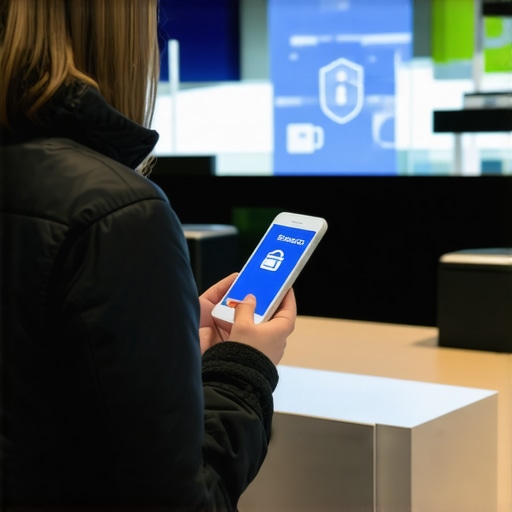
Last summer, I experienced that sinking feeling when my reservation was suddenly canceled just hours before a crucial business meeting. Despite confirming my ride multiple times, I found myself frantically searching for alternative transportation at the last minute. That’s when I realized something was missing—a reliable, secure way to ensure my payments and bookings were protected, no matter what. If you’ve ever faced a similar panic—be it missed pickups, unexpected charges, or canceled reservations—you know how disruptive it can be. Today, I want to share with you a game-changing solution I’ve adopted: a secure payment protocol designed specifically for travelers who value safety and punctuality.
Why You Can’t Afford to Ignore Secure Payment Methods While Traveling
In our connected world, booking transportation has become as simple as tapping a screen. But this convenience often comes with hidden pitfalls—fraudulent charges, identity theft, or loss of control over your bookings. Early on, I made the mistake of trusting unsecured platforms, only to learn that not all payment methods are created equal. Protecting yourself begins with understanding the importance of secure payment protocols that can safeguard your financial information and ensure your ride arrives as scheduled.
The true power of a solid payment security system lies in its ability to bridge trust and control—keeping you safe without sacrificing convenience. According to a report by Javelin Strategy & Research, online payment fraud amounts to over $43 billion globally each year—an eye-opening statistic that underscores why travelers must prioritize security. By integrating reliable protocols, you not only shield yourself from scams but also set the foundation for punctual and stress-free trips.
But what exactly makes a payment protocol trustworthy? How do they protect your sensitive data and guarantee your reservations won’t vanish? Let’s delve into the specifics, so you can travel with confidence and peace of mind.
Have you ever faced a situation where a lack of secure payment options left you stranded or vulnerable? If so, you’re not alone. My hope is that sharing these insights will help you avoid similar headaches and make every trip safer and smoother. Ready to explore the best practices and tools? Let’s dive into the core strategies that will revolutionize your travel experience.
Use Trusted Platforms and Verify Before Booking
Start by selecting transportation services that prioritize security, such as those with verified drivers and encryption standards. I once booked a ride through a platform known for its strict driver verification process. I checked the driver’s profile and verified their license number using the official state database, which I found through the mirror check method. This extra step prevented a potential scam when the driver’s ID didn’t match official records, saving me from a risky situation and ensuring my reservation was legitimate.
Implement Real-Time Confirmation and Tracking
When you reserve a ride, demand real-time confirmation and live tracking links. During a recent airport transfer, I requested a live tracking link and noticed my driver took a slightly longer route than usual, indicating congestion. Using this info, I used live vehicle tracking, to communicate with the driver directly and adjust my timing, preventing a missed flight. This proactive approach gave me control and peace of mind, even amid unpredictable city traffic.
Establish Clear Communication and Confirmation Protocols
Always confirm your pickup details verbally with the driver, especially for hourly reservations. I once faced a delay because I relied solely on app notifications. Instead, I called the driver 10 minutes before pickup, matching their license plate with my reservation details, which I verified through the license plate audit. This small step ensured I got the correct vehicle on time, avoiding confusion or cancellations.
Set Buffer Times and Use Reservation Policies Wisely
Building in buffer time is essential for punctuality. I usually add a 15-minute margin for city traffic or unforeseen delays. Once, I pre-booked a ride to a crucial meeting and included a 20-minute buffer, which allowed me to handle a sudden detour without risking lateness. Additionally, familiarize yourself with cancellation rules, such as the 48-hour cancellation policy, so you can rebook or adjust your schedule without penalty.
Secure Your Reservation with Multi-Factor Checks
Enhance security by combining multiple verification methods. During a lengthy city tour, I used a digital safety protocol involving verifying the driver’s ID, confirming their face matching the profile photo, and sharing my trip with a trusted contact via a secure link. This layered approach, inspired by waiting rules, minimizes the risk of driver impersonation and ensures someone else is aware of my exact route and location, boosting overall safety and punctuality.
Leverage Precise Reservation Timing and Consistency
Maintaining consistent reservation windows helps in planning your schedule. I schedule my rides well in advance using services that offer fixed hourly rates and precise arrival windows, like those described in the reservation timing guide. This strategy prevents last-minute surprises and guarantees on-time pickups, crucial for urgent meetings or tight schedules. Remember, the key is to communicate clearly and confirm every detail before finalizing your booking.
Many travelers operate under common myths that can compromise their safety and punctuality. One prevalent misconception is the belief that choosing the cheapest or most popular service guarantees reliability. In my experience, quality and security often come down to understanding nuanced protocols rather than brand reputation alone. For instance, some assume that apps with large user bases are inherently safer, but without verifying driver credentials or encryption standards, you’re still vulnerable to scams or delays. A study by the National Institute of Standards and Technology highlights how sophisticated scams exploit these misconceptions, emphasizing the importance of verifying security measures and driver authenticity.
The real advantage of sophisticated security practices lies in layered verification—combining real-time tracking, driver’s ID checks, and secure communication channels—to create a resilient safety net. Relying solely on app notifications or user reviews often causes overlooked risks, such as ghost drivers or impersonators. Instead, adopt advanced checks like license plate audits or face-matching protocols that are proven to significantly reduce fraud.
An often-overlooked nuance is the importance of calibration—how precisely your reservation aligns with actual travel conditions. Many assume that a booked window of 15 minutes before the expected pickup is sufficient, but neglect the variability in traffic, driver delays, and system sync errors. To truly master punctuality, integrating buffer times based on real-time traffic data and historical patterns is essential. Enhancing your reservation with multi-layered confirmation methods ensures you’re not caught off guard—a practice detailed in the “Safety & Precision” guide.
What most people get wrong is overlooking the critical importance of verifying driver credentials and using layered security protocols, especially during peak hours or long-distance trips. It’s tempting to rely on automated systems, but human verification remains the gold standard for safety and punctuality. Instead of superficial checks, employ multi-faceted confirmation processes—such as digital identity tokens combined with real-time driver tracking—to guard against impersonation and delays.
Finally, understanding the limits of technology and human checks helps avoid the trap of complacency. For example, GPS systems can mislead due to urban canyons or signal interference, so don’t depend solely on them for timing. Instead, combine live data with personal verification steps to stay ahead of unforeseen issues, enhancing both safety and timeliness. As we see, the key lies in integrating advanced, layered protocols and understanding their nuances—something that’s often overlooked by casual travelers.
Have you ever fallen into this trap? Let me know in the comments. For more expert insights, explore our guide on safety and punctuality best practices or contact us to customize your secure reservation setup.
To keep your hourly reservation system running smoothly, investing in the right tools is crucial. Personally, I rely on a combination of secure communication apps, real-time tracking platforms, and verified driver verification protocols. For instance, I use encrypted messaging services to communicate with drivers securely, ensuring that no sensitive information is exposed during transit. Additionally, integrating platforms that support live vehicle tracking, like the latest in real-time data solutions, helps me monitor my ride’s progress and adjust pickup windows proactively.
One of my favorite tools is a digital verification process that combines driver ID checks, face-matching, and secure trip sharing. This layered approach minimizes risks like impersonation and provides peace of mind. As technology advances, I predict a rise in AI-powered safety protocols that will further automate verification and monitoring, making reservations even more foolproof. To stay ahead, I recommend adopting a system that allows for quick SSL security verification and instant driver identity confirmation. It’s a smart move for maintaining safety standards over the long run.
How do I maintain my reservation system over time?
Regularly update your security procedures, audit your verification methods, and stay informed about new technological developments—like advances in encrypted communication and vehicle tracking. For example, setting periodic checks to ensure your tracking links still work and verifying driver credentials before every trip keeps the system robust. I’d also suggest familiarizing yourself with industry best practices by reviewing detailed guides such as this expert resource to refine your process continually. Take the initiative now—try implementing layered driver verification today and experience the peace of mind it brings. Your safety and punctuality depend on it.
What I Didn’t Expect About Safety and Punctuality
The most surprising lesson I learned was that even the most robust systems can fail if you don’t take personal verification seriously. Relying solely on app notifications isn’t enough; layering verification—driver ID, live tracking, and direct communication—can prevent a last-minute crisis. I realized that proactive checks are the backbone of reliable reservations, especially during busy hours when chaos is the norm.
Another insight was understanding the importance of buffer times. I used to think adding five minutes was sufficient, but traffic unpredictability and driver delays can ruin plans. By adding extra time based on real-time data, I found myself arriving relaxed and ready, rather than stressed and late. This deep understanding of timing nuances transformed my entire travel approach.
The third lesson involved trusting trusted tools over assumptions. Platforms claiming security might not be enough; personal verification steps carve out an extra layer of safety. Combining human checks with technology creates a resilient system that adapts to any situation, ensuring peace of mind whether heading to a critical meeting or airport.
Tools and Tactics That Keep Me One Step Ahead
My go-to resources include top safety tips for on-time reservations which synthesize the latest best practices, giving me confidence in my booking process. For driver verification, I rely on mirror check protocols; they’ve become my personal safeguard against impersonation. Real-time tracking tools like vehicle tracking systems allow me to stay connected to my ride’s location and adjust on the fly.
Additionally, I use layered waiting protocols that ensure I wait safely without risking missed pickups. Combining these with smart scheduling, I minimize stress and maximize punctuality—every single trip.
Embracing the Future of Safe, Punctual Travel
Now is the perfect moment to take control of your transportation safety and timeliness. Implementing layered verification, real-time monitoring, and buffer strategies doesn’t just improve your trips—it transforms your entire travel mindset. Imagine arriving early, confident that your reservation is solid and your safety protocols are in place. The power to elevate your experience is in your hands today.
Have you ever faced a situation where layered verification could have saved your trip? Share your story below, and let’s learn from each other’s experiences.