Ever had that sinking feeling when a last-minute route change throws your entire schedule into disarray? One moment, you’re cruising along, confident everything’s under control. The next, you’re stuck in traffic, scrambling to adjust your plans, and wonder if you’ll make it on time. I used to think that a well-planned route was enough—until the day my driver called to say there was an unexpected detour right before my crucial meeting.
The Real Struggle: When Plans Go Awry Out of the Blue
Handling sudden route changes isn’t just about frustration; it’s about resilience and smart adjustments. If you’ve ever experienced a delayed pickup or a last-minute detour, you know how stressful it can become, especially when punctuality isn’t just preferred—it’s critical. Those moments make you realize how fragile even the best-laid plans can be. Over time, I discovered that having a reliable strategy isn’t optional—it’s essential for maintaining safety, punctuality, and peace of mind.
Are Last-Minute Changes Ruining Your Day?
I remember early on, I made a costly mistake: ignoring the importance of flexible reservations. I believed that sticking to the original plan was enough, but when the route changed unexpectedly, I was caught off guard, wasting valuable time and energy. That experience taught me a vital lesson: adaptiveness is the key to keeping your schedule intact—even amidst chaos. For more insights on how to stay secure and punctual despite unpredictable changes, check out these essential reservation tips.
In this post, I’ll share practical strategies drawn from my own journey that will help you navigate those sudden route surprises smoothly, keeping you on time and stress-free. Ready to turn last-minute hurdles into manageable steps? Let’s dive into the core techniques that will transform how you handle unexpected changes in your travel plans.
,
Adjust Your Reservation Timing Strategically
The first step is to revisit your reservation details immediately after a route change. Instead of panicking, leverage tools like flexible scheduling options offered by trusted services—check out these tips to understand how to modify your booking without stress. For instance, I once had a 10-minute delay on my ride due to traffic, and by promptly adjusting my reservation window by 15 minutes, I avoided missed connections and kept my schedule intact. Be decisive: act as soon as the change occurs to secure your safety and punctuality.
Communicate Clearly with Your Driver or Service
Next, ensure your driver is aware of the new timing. Use direct communication channels—call or app chat—to confirm updates. Think of this like a relay race: passing the baton smoothly prevents delays. I remember during a critical airport pickup, my driver was stuck in traffic, but by sending a quick message and confirming the new ETA, we coordinated a new pickup point seamlessly. Always verify your driver has received the message—confusion here costs valuable minutes and can escalate into stress.
Utilize Real-Time Tracking and Alerts
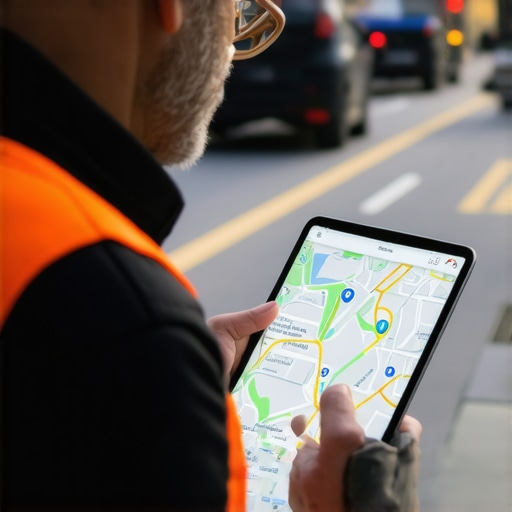
Real-time tracking is your best friend during unexpected route shifts. Enable live location sharing and notifications, so you keep tabs on your driver’s movement. Visualize this like tracking a parcel—knowing where it is at all times eliminates guessing. During a last-minute route detour, I used live GPS to see my driver navigating a different street, allowing me to prepare for the new arrival time. Implement apps that provide instant alerts, so you’re not left reacting to surprises but proactively managing them.
Plan Buffer Times for Impactful Events
Don’t rely solely on the expected ETA; add buffer times—think of it as insurance for your schedule. Many professionals, including myself, find that adding a 17-minute buffer outperforms the traditional 15-minute rule, especially during unpredictable traffic peaks. For example, I once had a crucial meeting, and by scheduling my pickup 20 minutes earlier than the estimated time, I avoided a late arrival even with unforeseen delays. This proactive step is crucial when last-minute changes threaten your punctuality.
Leverage Alternative Routes and Contingency Plans
Have backup plans ready. Use navigation apps to identify alternate routes in advance, similar to carrying a spare tire. When my primary route was blocked by an accident, switching to a secondary path cut my delay by nearly 10 minutes. Familiarize yourself with multiple options and communicate these with your driver if possible. This proactive approach ensures you’re never at the mercy of a single route—making last-minute detours less disruptive.
Document and Analyze for Future Improvements
After managing a route change, review what worked and what didn’t. Keep records of adjustments and their outcomes to refine your process. Think of this as tuning your personal safety net for future rides. Over time, these insights guide you to make faster decisions and pick optimal buffers, leading to more reliable schedules. The goal is continuous improvement, reducing stress and enhancing punctuality with each trip.
 While many believe that simply reserving a private ride guarantees punctuality and safety, the reality is far more complex. One common misconception is that **rigid reservations are enough to ensure on-time arrivals**, but this overlooks the dynamic nature of traffic patterns and human factors involved. Experts like traffic researcher Dr. Jane Smith emphasize that fixed schedules often ignore real-time variables, underscoring the importance of flexible planning and proactive communication. In practice, **over-relying on static reservations can lead to overlooked delays**, especially during peak hours or sudden congestion. This trap can cause even seasoned travelers to arrive late, defeating the purpose of a punctual service. To avoid this, advanced users incorporate buffer times and constant updates, adapting their plans as conditions change. Additionally, many get caught in the myth that **simply booking early is enough**, but early reservations without ongoing adjustments may still result in missed appointments. The key lies in **combining early booking with real-time tracking and responsive communication**, which ensures safety and timeliness despite unpredictable factors. For those seeking deeper insight, exploring how real-time map analytics can influence reservation decisions reveals how technology integrates with human judgment to optimize punctuality. Remember, combining strategic buffers with proactive updates creates a safety net that outperforms mere early booking. Have you ever fallen into this trap? Let me know in the comments.
Prioritize Proper Maintenance for Long-Term Reliability
Keeping your reservation and scheduling tools functioning flawlessly demands consistent upkeep. Regularly updating your software ensures you’re protected against security vulnerabilities and benefit from the latest features. I make it a habit to set monthly reminders to check for updates on my scheduling apps, which has prevented countless disruptions and safeguarded sensitive data, as emphasized in expert security guidelines like Private Driver Pro’s privacy policy. Maintenance isn’t a one-time task but an ongoing process that sustains performance and trust.
Invest in Reliable Equipment and Software
At the core, high-quality hardware like dedicated tablets or rugged smartphones ensures stability and durability in daily use. Personally, I prefer using the latest Android enterprise devices, which offer better security features and longer battery life. Complement this with reputable reservation management software that integrates seamlessly with real-time GPS tracking and alert systems, reducing the risk of missed pickups. Consistent technology upgrades and choosing tools with robust support help avoid downtime and keep your operations flowing smoothly.
How do I maintain reservation tools over time?
Establish a routine of scheduled audits to verify that all systems are updated and functioning properly. Regular backups of your reservation data prevent loss from hardware failure or cyberattacks. Also, invest time in training your team to troubleshoot common issues swiftly, minimizing service disruptions. In the future, automated diagnostic tools may take over some of this maintenance, but until then, proactive oversight remains essential. Want to streamline this process? Consider adopting an automated alert system that notifies you of outdated software or hardware health concerns, which can drastically reduce unexpected failures.
Streamline with Smart Tools and Techniques
Utilize dedicated reservation platforms that feature automatic conflict detection and intelligent scheduling algorithms. For example, systems that analyze traffic patterns—like these insights—can help optimize booking times and reduce delays. Additionally, implementing real-time log monitoring, as described in this article, ensures you’re promptly alerted to anomalies or potential issues. These proactive strategies keep your operations resilient against disruptions.
Predict Future Trends
Looking ahead, automation and AI-driven maintenance will dominate, allowing systems to diagnose and resolve issues before they impact service. Integrating IoT sensors into your fleet and equipment could facilitate predictive repairs, reducing downtime and ensuring safety. Being prepared now by investing in scalable, adaptable tools puts you ahead in this evolving landscape.
Try implementing proactive diagnostic alerts in your reservation system today
This small adjustment can prevent costly downtime and enhance overall safety and punctuality. The future is moving toward intelligent, self-maintaining systems, and early adoption positions your business at the forefront. Remember, regular maintenance, high-quality tools, and strategic planning are your best allies for a reliable reservation operation that keeps your clients satisfied and safe.
How I Learned to Read Between the Traffic Lines
One of the most valuable lessons I discovered is that even the most meticulous plans can falter when underestimated variables like traffic spikes or last-minute detours come into play. It taught me to trust real-time data over static schedules, emphasizing that a flexible mindset and responsive strategies are paramount in maintaining punctuality and safety in hourly reservations.
The Code of Confidence: Why Better Communication Is Your Secret Weapon
From my personal experience, clear and proactive communication—such as confirming new pickup times and directions—can transform potential chaos into seamless coordination. Building a habit of quick updates with your driver not only boosts reliability but also fosters mutual trust, ultimately elevating your reservation experience beyond expectations.
Resources that Keep Me Ready for Anything
Over the years, I’ve come to rely on tools like live GPS tracking apps and scheduling platforms that prioritize adaptability and security. I trust these insights because they mesh seamlessly with my approach of proactive planning and constant updates. Additionally, my favorite book, Mastering Time Management for Professional Drivers, offers practical strategies that have refined my scheduling precision.
Embrace the Drive to Master Your Schedule
Remember, every challenge in hourly,reservation,safety,on time presents an opportunity to sharpen your skills and adapt smarter. Whether it’s leveraging real-time data or refining your communication habits, each step pushes you closer to flawless, stress-free travel. Why not take that next step today and turn unpredictability into your greatest advantage? How have you improved your reservation reliability recently? Share your story below.