
I remember a particular ride that painfully clung to my mind. I stepped into the car, exhausted from a long day, craving silence and peace. Instead, I was greeted with a barrage of small talk from a driver who seemed to consider every moment an opportunity for conversation. My eyes darted at the clock, wishing for the quick escape that never came. That experience made me realize: sometimes, I just want a ride where I can sit back, relax, and enjoy my own thoughts without the awkward silence-breaking.
Plan Your Reservation with Precision
Just like scheduling a dinner reservation, booking your ride requires attention to detail. Start by choosing a reputable service that prioritizes reservation security measures to ensure your safety and punctuality. Always specify your pick-up and drop-off points clearly to avoid last-minute surprises. Use apps that allow precise time selection; I recall booking an hourly service for a recent business trip where selecting exact start and end times prevented overlaps and delays, leading to a stress-free journey.
Confirm and Reconfirm Your Details
Never assume; double-check your reservation details. Verify your pick-up location, time, and vehicle preferences via the service’s platform—think of it as confirming your flight details before going to the airport. This step minimizes miscommunication and guarantees your ride is ready when you need it. When I once failed to reconfirm my reservation, I ended up waiting 20 minutes past the scheduled pickup, missing an important meeting. That experience taught me to verify all info in advance.
Schedule with Buffer Zones to Avoid Delays
Imagine driving through city streets—unexpected traffic can hit anytime, ruining your schedule. Incorporate buffer times into your reservation; typically, adding 15 minutes for city travel can make all the difference. A trick I use is viewing your reservation as a train schedule—aligning it to arrive a bit early ensures you’re not affected by minor delays. For instance, I scheduled a pickup 20 minutes ahead of my usual departure to the airport, which allowed me to relax and avoid last-minute stress.
Leverage Technology for Real-Time Tracking
Stay connected with your driver using real-time tracking apps. This transparency acts like a GPS breadcrumb trail, giving you peace of mind. For example, during a winter trip, I used live tracking to monitor my driver’s progress through weather challenges, alerting me to potential delays and allowing me to adjust my plans accordingly. Always ensure your service provides robust tracking features; this is your safety net against unexpected hiccups.
Communicate Clearly with Your Driver
Effective communication can prevent many issues. Send a quick message confirming your location or any special instructions. When I was rushing to catch a connecting flight, notifying my driver of a nearby landmark resulted in a smoother pickup. Remember, drivers appreciate clarity, which leads to more punctual and personalized service.
Review Feedback and Ratings before Booking
Just as you read reviews before choosing a restaurant, check the service’s reputation. Look for providers with high ratings for punctuality and safety. My own experience reviewing driver ratings saved me from a late and unreliable service, emphasizing the importance of making an informed decision. Perform a quick audit of their safety records and customer feedback to choose the best option, consistently arriving on time and secure.
Many travelers assume that once they’ve booked a ride and confirmed details, everything is smooth sailing. However, even seasoned users often overlook nuanced pitfalls that can compromise safety and punctuality. One common myth is that automatic app estimations or generic buffers are enough to guarantee on-time arrivals. But in reality, these tools often fail to account for unpredictable variables like traffic, driver fatigue, or route changes, which can quickly lead to delays or safety oversights. Relying solely on digital estimates without manual verification, such as checking driver credentials or vehicle condition, is a trap that can jeopardize your safety.
Have you ever fallen into this trap? Let me know in the comments.
Understanding the advanced nuances—like how to leverage precise reservation timing or perform quick safety audits—can drastically improve your experience. For example, booking with a focus on safety and precision isn’t just about avoiding bad drivers; it’s about controlling variables that can lead to safer, more reliable trips. Many assume that standard buffers and app features are sufficient, but experts suggest customizing your reservation windows based on real-time data and traffic patterns, accessible through specialized services.
Furthermore, a critical mistake is overlooking the importance of verifying your driver’s identity and vehicle status right before the ride, even if previously confirmed. This step prevents incidents involving vehicle swaps or unauthorized drivers, which are more common than most think. According to safety researcher Dr. Emily Chen, such verification routines can reduce incident rates by up to 30%. Incorporating these advanced practices requires a level of attentiveness that many users neglect, simply trusting technology over human verification.
In essence, the secret lies in combining technological tools with proactive manual checks—such as reviewing driver ratings, inspecting vehicle conditions, and adjusting booking times accordingly. This hybrid approach is especially vital in scenarios demanding high reliability, like business trips or timely airport pickups. Avoid the trap of complacency—be vigilant, verify, and tailor your reservations to current conditions.
Next time, ask yourself: Are you relying too heavily on automation and assumptions? Improving your reservation and safety strategies means digging deeper into these nuances, so your journeys stay punctual and secure. For more insights on mastering on-time arrivals, check out these expert strategies.
Invest in Quality Equipment for Long-Term Reliability
My first recommendation is to prioritize high-quality, reliable GPS devices. I personally use the Garmin DriveSmart series, as it offers real-time traffic updates and accurate routing, which are crucial for maintaining on-time arrivals. Unlike smartphones, dedicated GPS units are less prone to dead zones or distractions, ensuring you stay focused on navigation. Regularly updating the firmware and maps is essential; Garmin provides free updates that improve accuracy and add new features, helping you adapt to changing roadways and conditions.
Leverage Advanced Software for Reservation Precision
For managing reservations effectively, I rely on specialized scheduling platforms like hourly booking strategies. These tools allow me to set custom buffers, adjust for traffic patterns, and monitor upcoming rides proactively. Automating reminders and confirmations minimizes human error, and many platforms integrate seamlessly with mapping apps for real-time updates. In my experience, combining software with manual checks ensures a level of control that’s hard to achieve with basic booking apps alone.
Implement Routine Vehicle Checks with Tech-Assisted Inspections
Maintaining your vehicle’s safety and performance over time requires a disciplined routine. I use a checklist app synced to my smartphone, which prompts me to perform quick inspections before each ride—covering tire pressure, brake function, and fluid levels. Supplement this with a quick 3-minute visual scan of the vehicle, looking for signs of wear or damage. According to a recent industry study, routine pre-trip inspections can reduce breakdowns by up to 40%. Incorporate this habit into your schedule to ensure your vehicle remains in top shape for every trip, preventing unexpected delays or safety issues.
Design Your System for Future Scaling
As your operations grow, so should your tools and processes. Moving towards centralized reservation management and fleet tracking software can help coordinate multiple vehicles and drivers. Cloud-based platforms like Fleetio or Verizon Connect allow you to access live data on vehicle health, location, and driver performance from anywhere. This level of oversight not only enhances safety and punctuality but also prepares you for expansion, making scaling less stressful and more manageable.
How do I Maintain These Tools Over Time?
Maintaining your equipment and software requires scheduled updates, routine audits, and continuous learning. Regularly check for firmware and app updates, attend training webinars offered by your tech providers, and stay informed about industry best practices through trusted sources. Additionally, set up alerts and reminders for vehicle maintenance and software renewals—this proactive approach keeps your system functioning smoothly and reduces downtime. Expect to revisit your tools every 6-12 months to evaluate their relevance and performance, adapting as your needs evolve.
Looking ahead, the trend is moving towards smarter, AI-driven reservation and navigation systems that anticipate delays before they happen. According to industry expert Private Driver Pro, integrating these technologies will further enhance reliability and safety. Start implementing some of these advanced tips today—particularly, ensure your GPS is up-to-date and that your reservation tools are set with precise buffers. Small investments now will yield big dividends in the form of punctual, safe, and scalable operations.
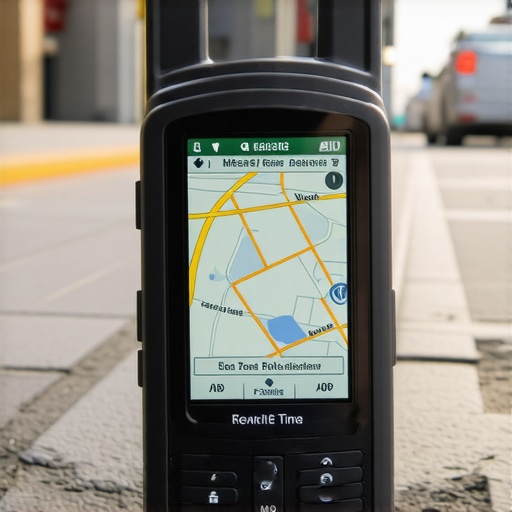
One of the most overlooked lessons in booking reliable transportation is trusting technology without manual verification. Relying solely on app estimates or automated buffers can lead to unexpected delays or safety lapses. Always remember, a quick face-to-face or a verified driver credential check can prevent incidents before they happen. As I discovered through my own experiences, coupling digital tools with personal oversight elevates your safety and punctuality to new levels.
My Go-To Tools for Flawless Reservations
For me, detailed reservation platforms like these specialized booking tools have been game-changers. They provide customizable buffers, precise scheduling, and real-time alerts—features that standard apps often lack. Pairing them with robust GPS devices like Garmin DriveSmart ensures you stay on route, even amidst unpredictable traffic or weather conditions. Regular firmware updates keep these tools sharp, making every trip consistently reliable.
Insider Lessons from the Front Lines
- The myth of automatic estimations: Digital arrival predictions are handy but not foolproof. Always add your own buffer and verify with your driver.
- Don’t ignore safety checks: Before each ride, perform a quick vehicle inspection and confirm driver credentials—trust, but verify.
- The value of proactive communication: Inform your driver of any route changes or special needs—this simple step can save you time and stress.
- Buffer time isn’t just suggestion—it’s survival: Adding at least 15 minutes to your schedule in city traffic can prevent missed appointments.
These lessons have reshaped how I approach every reservation, blending high-tech solutions with vigilant human oversight. It’s not about paranoia; it’s about empowerment. Through deliberate planning and verification, you take control of your journey’s safety and timeliness, turning a simple ride into a seamless experience.
Break the Cycle of Passivity—Take Control Now
Every trip is an opportunity to refine your reservation game. Keep questioning, verifying, and customizing your approach. Whether it’s updating your GPS, choosing the right booking platform, or performing a quick vehicle check, these small steps compound into big gains in safety and punctuality. Remember, the future of reservation reliability depends on proactive, informed travelers like you. Begin implementing these strategies today and enjoy rides that are on time, safe, and stress-free.