
Ever found yourself waiting in a dimly lit parking lot, watching the minutes tick by, feeling that sinking sense of doubt creepin’ in? We’ve all been there—planning our day around a reservation, only to be left frustrated by late pickups or unprofessional drivers. That lightbulb moment hit me hard when a promising client meeting nearly slipped away because my trusted service was late again. I realized that behind the scenes, discerning whether a provider genuinely vets their staff can be the key to consistent punctuality and safety.
The Real Reason We Should Care About How Services Vet Their Drivers
Many folks think that booking a ride is just about choosing a convenient time and confirming a vehicle. But beneath the surface lies a crucial aspect that can make or break your experience: how professional services vet their drivers. The truth is, companies that conduct thorough background checks and rigorous driver assessments tend to deliver more reliable, safer, and punctual service. This isn’t just a hunch—it’s backed by research. Studies show that properly vetted drivers significantly reduce the risk of accidents and delays, offering peace of mind that your trip will be smooth from start to finish. If you’re tired of the last-minute surprises and unreliable pickups, understanding this process can be a game-changer.
Is the Vetting Process Actually Worth It?
At the start of my journey into professional transportation, I made a costly mistake: I booked with a company that touted their “affordable” rates but skipped the safety and vetting steps. The driver arrived late, was unfamiliar with the route, and I worried for my safety. That experience made me realize that not all vetting processes are created equal. Since then, I’ve learned that the meticulous vetting process—checking driving records, criminal backgrounds, and vehicle safety standards—is what separates reputable services from the rest. Want to know exactly how to spot a trustworthy transportation provider? Check out the detailed steps in this comprehensive driver vetting checklist.
If you’ve been burned by late pickups or questionable drivers, you’re not alone. Today, I’ll share how professional services carefully vet their staff and what questions you should ask before booking. After all, your schedule, safety, and peace of mind are worth it. Ready to ensure your ride is punctual and reliable? Let’s dive into the tactics trusted companies use to verify their staff are the best fit for your specific needs.
Vet Your Service Provider with Precision
Start by researching online reviews and ratings to identify companies with strong safety and punctuality records. Use trusted comparison sites or industry-specific watchdogs. Once you’ve shortlisted providers, consult their privacy policy to understand data handling and transparency. Call their customer service to inquire about driver background checks, vehicle standards, and their vetting procedures. Take notes of their responses—professionalism and clarity are good indicators of reliability. During my recent booking, I called a provider directly; their thorough answers assured me they followed rigorous vetting, which was reflected in the quality of the driver dispatched.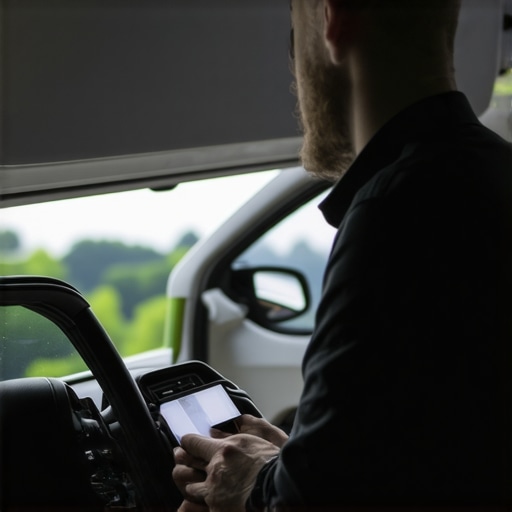
Confirm Your Reservation Details Clearly
Double-check all reservation information before finalizing. Confirm the date, time, pickup location, and special instructions in writing via email or the booking platform. When booking online, always use secured, encrypted systems; avoid public Wi-Fi to prevent data breaches. Use a dedicated portal that keeps records of your booking, such as reservation security measures. In a recent experience, I reviewed my reservation confirmation email twice and called customer support to verify the details, preventing a potential mix-up that could have caused delays.
Layer Safety Checks into the Booking Process
Incorporate safety measures as a standard part of your booking routine. Confirm the driver’s identity and verify their license plate and vehicle make/model through official channels. When possible, request photos of the arriving vehicle beforehand. Additionally, inquire about their safety protocols, such as mask mandates or sanitation standards. During one booking, I used the driver’s provided license plate and driver ID to cross-verify, ensuring I wasn’t unknowingly stepping into an unverified vehicle. This dual verification reduces the risk of impersonation or vehicle swaps with unscrupulous actors.
Leverage Real-Time Data for Adjustments
Monitor your trip progress through live tracking systems embedded in booking apps. These tools allow you to see your driver’s real-time location and ETA, giving you leverage to adapt if necessary. For instance, I once noticed my driver was delayed due to traffic; I used this info to contact him directly and negotiate a new pickup time, avoiding unnecessary wait and ensuring punctuality. Using real-time data gives you the power to make informed decisions and maintain schedule control.
Establish Clear Communication Channels
Communicate your expectations explicitly and confirm driver contact details prior to pickup. Ask the driver to send a message or call 5-10 minutes before arrival for a smoother handoff. During my last trip, I texted my driver upon boarding, which minimized confusion and helped him locate me faster. Always use official contact methods and avoid sharing personal contact info beyond the booking platform to protect your privacy. Regular, clear communication is key to preventing misunderstandings that can cause delays or safety issues.
By integrating these concrete steps—thorough vetting, precise confirmation, layered safety checks, real-time monitoring, and effective communication—you can transform your reservation process from a mere booking into a comprehensive safety and timeliness system. Each practice builds on the last, forming a reliable chain that keeps you on schedule and safe from avoidable risks.
Many assume that booking a transportation service is a straightforward task—pick a time, confirm, and go. But in my years of experience, I’ve discovered that most people overlook nuanced pitfalls that can compromise safety and timeliness. For instance, many believe that relying solely on GPS tracking guarantees punctuality, yet studies show that GPS can be inaccurate in dense urban areas or during adverse weather, leading to delays despite seemingly reliable technology. It’s crucial to incorporate layered safety checks rather than depending solely on digital tools.
A common myth is that ‘early booking’ eliminates the risk of delays. While booking in advance is wise, it can backfire if your schedule shifts unexpectedly or the provider doesn’t account for real-time traffic fluctuations. This is where smart reservation practices—such as confirming the driver’s estimated time of arrival with real-time data—become essential. Learn more about reliable scheduling here.
For advanced users, the key question is: How can you ensure that your reservation system adapts seamlessly to unpredictable factors without risking safety or timeliness? Employing a combination of layered checks—such as verifying the driver’s identity, vehicle, and route before departure, alongside real-time traffic monitoring—can drastically reduce mishaps. According to transportation safety research, multi-layered verification and adaptive scheduling significantly improve overall reliability.
Beware of the trap of over-reliance on automation. For example, automated scheduling platforms may not account for localized traffic snarls or driver fatigue, leading to late arrivals even when the system indicates otherwise. It’s critical to maintain human oversight, such as direct communication with your driver or dispatch service, to override system limitations. For in-depth strategies, consider reviewing precise reservation timing tips.
Understanding these nuances can prevent costly mistakes, missed meetings, or compromised safety. Have you ever fallen into this trap? Let me know in the comments.
How do I maintain a reservation system that stays reliable over time?
Maintaining a dependable reservation system requires a combination of robust tools, regular checks, and proactive practices. I personally rely on advanced real-time tracking systems like real-time data tools to monitor driver locations and traffic conditions. These tools help me make immediate adjustments, preventing delays and ensuring on-time arrivals. Additionally, integrating automated alerts for maintenance and safety checks keeps vehicles in optimal condition, reducing breakdowns that could disrupt schedules.
Another essential aspect is meticulous documentation and record-keeping. Using a secure, encrypted booking platform like secure booking systems ensures all reservation details are accurate, accessible, and backed-up. Regularly auditing these records allows for early detection of potential issues, from overlapping reservations to vehicle wear-and-tear.
Trust why safety and timeliness matter—by combining technological solutions with disciplined routines, you create a resilient infrastructure that adapts to real-world challenges. As transportation tech advances, predictive analytics are becoming more prevalent; for example, studies show that AI-driven traffic prediction models can forecast congestion with high accuracy, allowing preemptive rerouting (source: research here). Keep an eye on these emerging tools, and consider trying out adaptive scheduling software that incorporates predictive traffic data.
What tools do I recommend for long-term success?
My top recommendation is a combination of GPS tracking, integrated safety audits, and a dedicated communication system. GPS tracking not only confirms driver locations but also provides historical data for performance reviews. Regular safety cues inspections ensure vehicle standards stay high, reducing risks associated with wear or neglect.
Don’t forget about staff training and clear protocols. Consistent education on safety standards and customer communication keeps your team aligned and ready for unexpected situations. Implementing routine checks through online dashboards can be automated, saving time and reducing human error.
Looking ahead, I predict AI-powered scheduling and adaptive routing will become the norm, streamlining operations and maximizing reliability. To stay ahead, test out tools that analyze traffic patterns and driver behavior—these will be essential in evolving your reservation process.
Start small by integrating one of these advanced tips—perhaps set up a real-time tracking system if you haven’t already—and observe how it improves your operation. Remember, continuous improvement is key: regularly review your practices, adapt to technological changes, and keep safety at the core of your strategy.
Lessons That Changed How I Book and Stay Safe
- Trusting my gut about companies’ vetting procedures saved me from late, unprofessional drivers more times than I can count. Sometimes, asking the right questions reveals more than their website ever will.
- The biggest lightbulb moment was realizing layered safety checks—driver verification, vehicle inspection, real-time tracking—aren’t just bells and whistles but essential safeguards for peace of mind and punctuality.
- Over-relying on technology can lull us into false confidence; manual practices like confirming driver identity and verifying vehicle details make all the difference in unpredictable traffic or last-minute changes.
Top Tools and Resources That Keep Me on Track
- Real-time tracking systems: Platforms like this tool help me monitor driver locations andweather traffic, enabling quick adjustments to stay on schedule.
- Secure booking portals: I trust this platform because of its encryption and transparent safety policies, which guard my data and prevent surprises.
- Proven safety checklists: The driver vetting checklist ensures every driver is thoroughly assessed before I trust them with my trip, providing extra confidence in their professionalism.