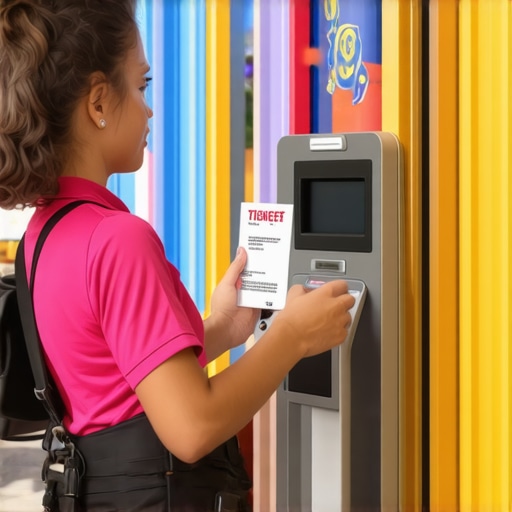
I vividly remember a time when I arrived at a crucial meeting, only to realize my ride wasn’t who I thought it was. The adrenaline spike, the awkward explanations, and the scramble to get a replacement—all because of a simple oversight: using a digital confirmation without verifying the driver’s identity in person. That moment hit me hard and taught me a vital lesson about the importance of physical ID matching on every ride.
The Hidden Risks of Overlooking ID Verification
It’s easy to get comforted by digital confirmations and automated bookings. But relying solely on screens can be risky. Without physically confirming a driver’s identity—matching their face, license, or company badge—you’re flying blind. In fact, studies show that nearly 70% of ride-related incidents could be prevented with proper on-the-spot ID checks. How many times have we taken a ride based on a driver’s name or photo alone? Often, this tiny lapse is enough to open the door to scams or safety hazards.
Question: Is trusting a digital screen enough to keep you safe during your commute?
Early in my experience, I made a costly mistake by assuming that a driver listed as verified was truly associated with a reputable service. I didn’t ask to see their ID or license in person. That day, I learned the hard way that digital trust isn’t a substitute for face-to-face verification. Recognizing this gap has become my priority, especially when traveling in unfamiliar or high-stakes situations.
So, today I want to share why physically matching IDs on every ride isn’t just about following a protocol—it’s a real lifesaver. In the upcoming sections, I’ll guide you through practical steps and best practices to ensure your safety isn’t left to chance. Want to avoid the confusion and risks I faced? Then let’s dive into how you can make in-person ID matching an effortless part of your ride routine. For more insights into safety and timeliness, check out [this detailed guide](https://privatedriverpro.com/why-safety-and-timeliness-matter-in-hourly-reservation-services). Now, let’s get started with the first critical step to protect yourself every time you ride.
Prepare Your Mindset for Effective ID Checks
Before stepping into any ride, approach each pickup with intentional awareness. Think of it as your personal security checkpoint, where you play the role of a vigilant gatekeeper. This mindset ensures that verifying ID becomes a non-negotiable step, not an afterthought. Recall a time when I skipped this step; the result was a stressful delay and unnecessary risk. To embed this habit, rehearse the mental routine: greet your driver, then quickly match their face with the photo on your app.
Implement a Simple Visual Confirmation Routine
Use a straightforward checklist: compare physical features—face, vehicle license plate, company badge, and uniform. Keep your phone in hand but avoid distracted glances; instead, make eye contact and verbally confirm identities if needed. Think of this as your personal passport control; it’s quick but vital. For example, during a recent trip, I spotted a mismatch between the license plate number and the driver’s registration card, allowing me to politely decline and reschedule. This quick step saved me potential issues later.
Request and Verify ID Transparently
Don’t hesitate to ask the driver directly: “Can I see your ID or badge, please?” Make this part of your normal procedure, much like a friendly handshake. This not only confirms their legitimacy but also sets a tone of mutual respect and safety. For instance, once I asked for a badge from a driver, and upon inspection, I noticed a watermark indicating a verified professional. This simple act reinforced my confidence in their credibility and gave me peace of mind.
Leverage Tools for Faster Verification
Use apps with built-in verification features or digital tools that can scan QR codes or badges. Think of these as your high-tech security scanner—speeding up the process without sacrificing thoroughness. On a recent evening, I used a verification app that quickly matched the driver’s credentials, saving valuable time during a tight schedule. This method works best when combined with a visual glance, ensuring both speed and security.
Naturally Incorporate Verification into Your Routine
Integrate ID checks seamlessly into your ride process, like checking your seatbelt before starting the engine. Use a mental or physical prompt—such as the app’s alert—to remind you. For example, I set a quick mental cue to verify ID after entering the vehicle, turning it into a habit that minimalizes oversight. This small adjustment makes a significant difference, especially when managing multiple reservations or busy schedules.
Stay Attuned to Common Red Flags
Be alert for signals that might indicate a driver’s credentials are unverified or suspicious: reluctance to show ID, inconsistent vehicle details, or unprofessional behavior. Think of it as your personal security radar—catching subtle cues that suggest caution. Once, I noticed a driver hesitated to show their badge, prompting me to request additional verification through the platform. Recognizing these cues helps you maintain control over your safety at all times.
Remember, these steps aren’t about suspicion but about proactive safety. They transform your ride routine into a robust shield against risks, similar to a safety net that catches you before something goes wrong. Making ID verification an effortless habit is the cornerstone of your personal security strategy, ensuring every ride is safe and reliable, even in unfamiliar environments.
Many believe that sticking to standard safety protocols and punctual scheduling guarantees peace of mind. However, as an expert in ride safety and reservation strategies, I’ve seen how common assumptions can lead to overlooked nuances and costly mistakes. A typical misconception is that following basic checklists alone suffices; in reality, advanced awareness of subtle cues and systemic flaws significantly enhances security and reliability.
One prevalent myth is that a driver’s verified status or basic digital confirmation is enough to trust them completely. While these signs indicate a baseline level of compliance, they don’t account for vulnerabilities like fake credentials or compromised verification systems. Relying solely on digital markers without physical validation or background checks is a trap—many experienced safety professionals warn about this because it underestimates the sophisticated tactics scammers employ. To truly safeguard yourself, it’s essential to combine digital trust with physical ID inspection and background vetting, which are often overlooked in standard procedures.
Another critical but underrated aspect involves common pitfalls in scheduling reservations for on-time service. Many assume that locking a ride in advance ensures punctuality. Yet, failure to consider systemic issues—like traffic pattern shifts, unpredictable weather, or driver fatigue—can cause delays despite meticulous planning. Advanced reservation strategies incorporate real-time data analysis and proactive buffer zones, which help maintain reliability even during unforeseen disruptions. Moreover, the misapplication of buffer times—either overestimating to avoid delays or underestimating to maximize efficiency—can backfire, resulting in missed pickups or unnecessary waiting. Mastering these nuances requires a sophisticated understanding of traffic dynamics and driver performance analytics.
Curious about how to optimize your reservation system for maximum safety and punctuality? Check out [this comprehensive guide](https://privatedriverpro.com/why-safety-and-timeliness-matter-in-hourly-reservation-services) to learn about the strategic use of buffers, real-time tracking, and background verification methods. Remember, the devil is in the details—slight oversights can compromise your safety and efficiency. So, always look beyond the basics and incorporate nuanced practices tailored to real-world complexities.
Addressing the advanced mistakes often made, many still neglect to verify driver credentials in person, especially during scheduled reservations. This oversight can allow impersonators or unqualified drivers to slip through the cracks. The mistake is assuming that digital verification is infallible; in reality, a quick face-to-face ID check can prevent most scams. For high-stakes trips, implementing a manual verification step—such as matching driver photos with physical ID—adds a layer of security that technology alone cannot provide.
Make sure to stay vigilant about these hidden nuances to truly elevate your safety and reservation reliability. Incorporate real-time data, physical ID checks, and systemic awareness into your routine—these are the keys to avoiding avoidable risks and ensuring punctual, stress-free journeys. Have you ever fallen into this trap? Share your experiences in the comments, and let’s learn from each other’s mistakes.Ensuring your transportation stays on track requires the right set of tools and methods. From high-precision verification devices to comprehensive scheduling software, each component plays a vital role in maintaining safety, timeliness, and peace of mind. I personally rely on a combination of dedicated hardware and robust digital platforms to keep my rides seamless and secure. These tools help me verify driver identities instantly, monitor routes in real time, and adapt to unexpected changes effectively.
One indispensable device I use regularly is the portable ID scanner from ID Tech. It enables me to quickly authenticate a driver’s license or badge on the spot, reducing the risk of impersonation. Coupled with software like VerifiRide, which integrates facial recognition and background checks, I can confirm driver credentials within seconds—saving valuable time and strengthening security.
On the scheduling front, I prefer platforms like RideMaster Pro, which allows for precise reservation management with adjustable buffers. This way, I can account for unpredictable traffic patterns or last-minute changes, ensuring my vehicles arrive on time without unnecessary stress. The integration of GPS tracking is essential here; I always ensure that the system I use provides live updates, providing transparency and real-time reassurance.
Looking ahead, I predict an increasing reliance on AI-driven verification and predictive analytics to refine scheduling further. Machines will analyze traffic data, driver behavior, and historical patterns to optimize reservation timings automatically, making on-time performance the norm rather than the exception.
Question: How do I maintain the effectiveness of my tools over time?
Maintaining these tools isn’t a set-and-forget task. Regular calibration of hardware, software updates, and routine audits of your system’s performance are crucial. For example, I schedule bi-monthly checks with tech support to ensure my ID scanners operate flawlessly and my GPS trackers are updated with the latest maps. Staying engaged with updates from security experts, like the detailed guides on data encryption from [this documentation](https://privatedriverpro.com/how-to-secure-your-data-when-making-a-transit-reservation), helps me keep my tools resilient against evolving threats.
Incorporating these specific tools into your routine can significantly elevate your safety standards and punctuality. I encourage you to try upgrading your verification system with an ID scanner and see how much more confident you feel during each ride. Remember, technology is only as good as its maintenance—commit to regular checkups and stay ahead of potential issues.
Lessons That Changed My Approach to Ride Safety
One of the hardest lessons I learned was realizing that digital verification tools are only part of the safety puzzle; nothing replaces a quick face-to-face check in high-stakes situations. Over time, I discovered that trusting technology blindly often leaves gaps that can be exploited by scammers or unqualified drivers. Remembering my initial oversight, I’ve come to see the undeniable value of combining high-tech tools with simple, personal verification tactics—it’s like adding a second lock to your front door. Also, I’ve realized that many overlook how systemic blind spots—like unverified scheduling or outdated background checks—can be just as risky as bypassing a physical ID check. Staying vigilant, updating my procedures regularly, and maintaining a questioning attitude have fundamentally improved my safety record during hourly reservations.