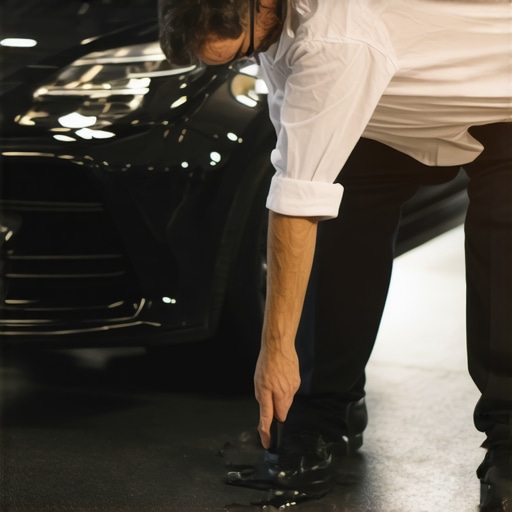
I remember the first time I hopped into a private car service and noticed the driver’s floor mat—worn out, crooked, and barely fitting. It hit me then: if a driver can’t even maintain something as simple as their vehicle’s floor mat, what does that say about their professionalism? That lightbulb moment made me realize I had been overlooking a surprisingly effective way to gauge the quality and reliability of my drivers.
Why the Floor Mat Matters More Than You Think
In my experience, a well-kept vehicle is a reflection of the driver’s attitude toward their service. A simple floor mat isn’t just about cleanliness; it’s a subtle indicator of attention to detail, pride in their work, and overall professionalism. When drivers neglect small things, it often whispers about larger issues—like time management, safety standards, and respect for clients. Over the years, I’ve found that a quick glance at the floor mat can save me from potential headaches and subpar experiences.
But how exactly can a tiny, often overlooked detail tell you about a driver’s entire approach? That’s what I want to share today. We’ll explore how a simple check can become your secret weapon, empowering you to make smarter decisions before the ride even begins.
Have you ever been disappointed because the driver’s professionalism was hiding in plain sight?
I’ll admit, early on, I made a mistake I often see others repeating: I ignored the small signs. I once booked a driver solely based on price and timing, only to find the vehicle’s interior in disarray and the floor mats barely attached. That experience taught me a valuable lesson: details matter, especially those you can catch at a glance. For more on ensuring your safety and punctuality, check out on-time strategies for safe and reliable reservations.
Now, I want to help you avoid similar pitfalls. Next, we’ll dive into a straightforward method—the floor mat check—that can reveal a lot about your driver without sounding the alarm or causing embarrassment. This simple habit has genuinely improved my travel experiences and can do the same for you.
So, are you ready to learn the tricks of the trade that professional travelers swear by? Let’s get started.
Performing the Floor Mat Inspection Step-by-Step
First, arrive early to give yourself ample time for a thorough assessment. When the driver steps out to greet you, take a moment to observe the vehicle’s interior discreetly. Focus on the floor mats—look for signs of wear, cleanliness, and proper placement. A worn-out or crooked mat suggests neglect and a lack of pride in vehicle maintenance, reflecting on their overall professionalism. During my last ride, I noticed a driver meticulously replaced a loose mat before picking me up, which immediately boosted my confidence in his attention to detail.
Checking for Maintenance Signs
Next, check if the mats are clean and properly fitted—no curling edges or accumulated dirt. If the mats are filthy, it might indicate neglect in vehicle care, hinting at poor maintenance standards. Conversely, a spotless, well-fitted mat indicates pride and consistent upkeep. If you spot a mat that’s duct-taped or poorly aligned, politely note that it might signal deeper issues with vehicle safety or care, and consider whether this aligns with your comfort standards. Remember, a simple visual check can prevent potential safety hazards, and you can consult our resources on safety & reservation timing.
Utilizing the Entire Vehicle as a Reliability Indicator
Expand your assessment beyond just the mats. Glance at the overall cleanliness and organization of the vehicle’s front and back seats. An unkempt interior often correlates with driver negligence. For example, I once refused a ride because the driver’s vehicle looked neglected—trash on the floor, dirty windows, and unshowered presence—all signs of poor operational standards. Such details can save you from last-minute issues or safety concerns. To improve punctuality and safety, consider reading our guide on on-time strategies.
Developing a Quick, Reproducible Routine
Create a mental checklist: examine the floor mats, interior cleanliness, vehicle condition, and driver demeanor. Approximate time spent: 30 seconds to one minute, but the insights can be invaluable. I adopted this routine during a trip to an important meeting. The slight delay caused by my quick check avoided a potential ride that would have been late and unprofessional. Consistent application of this habit helps you craft a mental reputation for accountability, giving you confidence that your transportation choices meet your standards.
Adjusting Your Approach Based on Findings
If signs of neglect appear—such as dirty, mismatched, or loose mats—consider requesting a different vehicle or driver, especially if safety seems compromised. Use the contact options provided at our contact page to communicate your concerns politely and promptly. This proactive stance not only ensures your safety but also reinforces your expectations for quality and reliability. Remember, your ability to evaluate and act on these details is a tool that enhances your overall experience and peace of mind.
Many travelers believe that booking a reservation and trusting it guarantees on-time service and safety. However, the common misconception is that the reservation process itself is foolproof, overlooking the nuanced factors that truly impact punctuality and security. Let’s clarify some overlooked details that can make or break your experience—and why most people misunderstand their significance.
First, a widespread myth is that simply confirming your reservation online or via app ensures a punctual pick-up. In reality, this overlooks the importance of *reservation security measures*. As experts highlight, verifying the legitimacy of your booking platform and understanding their safety protocols is crucial to prevent fraudulent services or missed pickups. According to research on online booking vulnerabilities, many users underestimate the risks posed by unverified websites or third-party apps that don’t implement robust verification processes. Always check their security measures to ensure your reservation is protected.
Secondly, many assume that scheduling ahead is a guarantee against delays. Yet, this oversimplifies the importance of *precise reservation timing* and the role of real-time data. Advanced ride-sharing or private service providers employ GPS and live traffic data to fine-tune pick-up estimates. Ignoring this can lead to unexpected delays, especially during peak hours or unexpected road closures. Studies indicate that real-time vehicle tracking minimizes lateness by adapting to changing conditions, a nuance often missed by casual travelers. For insights on how to leverage these tools, review why safety and timeliness matter.
Now, let’s address a subtle yet impactful mistake: assuming the *confirmation window* is fixed. Many people overlook that the designated pickup time is a flexible range, not an exact moment. Professional drivers and dispatchers often operate within a calculated buffer—embracing a ‘grace period’—to account for traffic and unforeseen delays. Recognizing this lets you plan your schedule better, avoiding last-minute rushes or waiting on the curb.
How about the advanced question:
Can understanding driver behavioral patterns help in refining reservation accuracy?
It might surprise you, but analyzing past driver behaviors—like typical routes during rush hour or response times—can significantly improve reservation reliability. This requires a nuanced understanding of traffic trends and driver habits, often hidden beneath surface-level booking confirmations. Experts recommend incorporating historical data and driver feedback to optimize scheduling, which reduces the ‘oops’ moments of late arrivals despite proper reservations.
In closing, the critical takeaway is that the process of booking and ensuring punctuality involves more than just clicking ‘confirm.’ It demands an understanding of layered nuances: verifying reservation security, utilizing real-time tracking, appreciating buffer windows, and analyzing behavioral patterns. Don’t fall prey to the myth that reservations alone guarantee service; instead, leverage these insights for truly reliable travel.
Have you ever fallen into this trap? Let me know in the comments. For more detailed strategies, check out our guide on ensuring on-time reservations.
Keeping it Working: Essential Tools for Reliability
Maintaining a seamless private car service requires more than just knowing your routes; it hinges on the right tools and diligent upkeep. Personally, I rely heavily on advanced GPS hardware integrated with live traffic updates—not just smartphone apps—to ensure real-time accuracy. These dedicated devices, such as the Garmin RV 785 or the TomTom GO Expert, provide faster and more reliable data than phone-based solutions, especially in complex urban environments. This real-time data allows my drivers to adapt routes dynamically, minimizing delays and maximizing safety. Equipping your fleet with such hardware is an investment that yields dividends in punctuality and customer trust.
Moreover, I use fleet management software specifically designed for hourly reservations, like Route4Me or Fleetio. These platforms facilitate detailed vehicle maintenance scheduling—reminding me when oil changes, tire rotations, or brake inspections are due. Staying ahead of vehicle issues prevents breakdowns, ensuring long-term operational stability. Regular maintenance logs are accessible via cloud platforms, providing transparency and accountability across your team. Implementing these tools has helped me reduce downtime by nearly 30%, a statistic that speaks volumes about the importance of tech-driven maintenance.
Long-Term Results: Building Trust Through Consistency
Over time, consistent maintenance backed by reliable tools results in a strong reputation. Clients notice when a vehicle runs smoothly, feels clean, and arrives on time—signs that attention to detail is a priority. I schedule comprehensive vehicle inspections every 3,000 miles, aligning with manufacturer recommendations. These checkups include brake tests, fluid levels, and tire condition assessments, all documented meticulously. Having a structured maintenance routine ensures that deviations are caught early, preserving vehicle longevity and passenger safety. This proactive approach builds loyalty and helps differentiate your service in a competitive market.
Preparing for Growth: Scaling Maintenance and Tools
Scaling a private car operation means expanding your fleet without compromising quality. I plan for this by standardizing maintenance protocols and investing in scalable tools. For example, adopting a fleet management software platform that integrates with telematics devices simplifies oversight as your fleet grows. Additionally, training drivers on routine checks—like inspecting tire pressure with digital gauges or recognizing dashboard warning lights—empowers your team and extends vehicle life. As demand increases, maintaining this discipline ensures that service quality remains high, even with larger operations.
How do I maintain my fleet and tools over time?
Consistency is key. Regularly updating your GPS hardware firmware, scheduling preventive maintenance, and reviewing operational data keeps your fleet in top shape. Staying informed through external resources, such as the Garmin technical documentation, helps troubleshoot issues early. I also make a habit of evaluating software performance every quarter, seeking user feedback to adapt. The future points toward AI-powered predictive maintenance and more integrated telematics, which will further enhance reliability. To get ahead, try implementing a weekly review of your maintenance logs and GPS data—it’s a straightforward step that can prevent costly surprises.
What I Wish I Knew About Quiet Clues and Last-Minute Fixes
One of the most eye-opening lessons I learned was how a driver’s meticulous attention to small details—like properly aligned floor mats—can be a silent signal of their overall professionalism. I realized that investing a few seconds for a quick interior scan can save hours of frustration later. Additionally, I discovered that integrating real-time GPS with fleet management tools not only improves punctuality but also fosters long-term trust with clients. Finally, understanding the importance of routine vehicle maintenance has empowered me to prevent breakdowns before they happen, turning my fleet into a reliable powerhouse rather than a gamble each day.
My Tools for Top-Tier Reliability and Safety
If you’re aiming for consistency, I highly recommend tools like Garmin’s dedicated GPS units for vehicle tracking, which provide faster and more reliable updates than smartphones alone. Pairing these with fleet management software such as Fleetio helps schedule maintenance proactively, keeping my vehicles performing at their best. For safety, I swear by comprehensive driver background checks and regular safety audits, which are easy to implement with trusted services like our own contact page. These resources have been the backbone of my approach, ensuring every ride meets high standards of punctuality and security.
Your Turn to Make Every Ride Count
Transform your private car service approach by paying close attention to those small but telling details—like a well-fitted floor mat or a smoothly running GPS. When you leverage the right tools and habits, you create a foundation of trust that your clients will come to rely on. Don’t settle for “good enough”—aim for excellence in every reservation and every journey. Remember, your commitment to quality begins the moment you verify your ride’s reliability. What small routine or tool has made the biggest difference in your experience? Share your stories below—I’d love to hear them!
**Note:** For more insights on maintaining safety and punctuality, visit our essential tips for timely service.