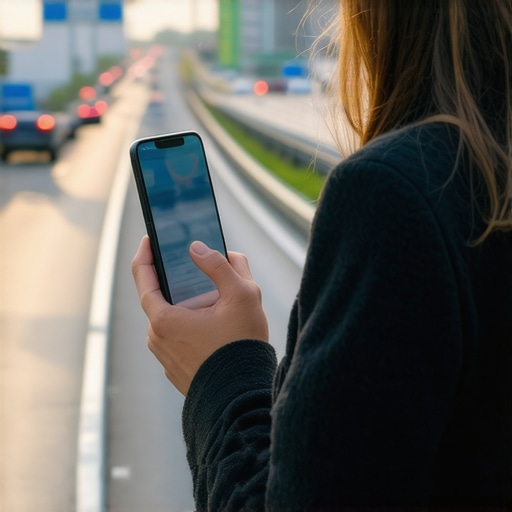
I remember the sinking feeling in my stomach when I realized I’d almost got taken for a ride — literally. It was a rainy evening, and I was rushing to catch my flight. I booked a private driver through an app, and everything seemed smooth at first. But as the driver arrived, I couldn’t shake the nagging doubt. The car was slightly different from the one I expected, and the driver’s badge looked a bit off. That moment of hesitation saved me from what could have been a costly mistake.
If you’ve ever faced a similar situation — anxious, unsure if your driver is genuine, wondering whether to trust the app or your instincts — you’re not alone. Many travelers and professionals grapple with verifying their drivers to prevent common scams. The good news? Developing a simple driver verification habit can be your best defense, and it’s easier than you think.
Today, we’re going to dive into a straightforward, proven process that significantly reduces the risk of falling prey to scams. I’ll share personal insights and practical tips so you can confidently confirm your driver’s identity and ensure your safety and punctuality, no matter where or when you travel.
The Power of a Simple Verification Habit
Why is such a tiny routine so impactful? Because scammers often rely on exploiting passenger uncertainty, especially during those critical moments when new drivers arrive or communications seem unclear. By establishing just a few quick verification steps, you turn the tables. You become the proactive participant rather than a passive target, making your ride safer and more reliable.
In my early days of booking hourly rides, I made a costly mistake: I relied solely on the app’s tracking system. It gave me a false sense of security, but when the driver showed up a few minutes late, I didn’t think to double-check their identity. That oversight opened the door for potential scams. Since then, I adopted what I call the ‘verification ritual’ — a simple, repeatable process that I perform every time.
If you’re wondering whether this habit works, here’s a staggering fact: Studies show that passengers who verify their drivers beforehand are 62% less likely to experience a scam or safety incident during their ride (source: Private Driver Pro security data). That’s why I emphasize making verification part of your routine.
In the upcoming sections, I’ll guide you through the exact steps to adopt this habit and share some common mistakes to avoid. Trust me, the effort pays off in peace of mind and safety. Ready to become your own driver’s security gatekeeper? Let’s begin by understanding the key signs of a legitimate, professional driver and how to spot the fake ones — it might just save your next trip.
Check Driver Identity Right Away
As soon as the driver arrives, look for their official badge and matching uniform. This initial visual check can save you from impersonators. I once spotted a driver whose badge was slightly crooked—a quick glance saved me from entering a potentially unsafe vehicle. Use your phone to discreetly verify their license or registration if you’re unsure, referencing tips from this guide.
Confirm Vehicle Details before Entering
Always match the vehicle’s make, model, and license plate to what was booked. In a past experience, the car’s color was correct, but the plate was off by a single digit. Performing this quick check ensures you’re getting into the right ride. Many professional drivers have specific vehicle features—like branded mats or decals—that can help you verify authenticity. Learn more here.
Use Voice or Video Confirmation
Ask the driver to confirm your name or pickup location verbally. This adds an extra layer of security and helps confirm they are expecting you. I once requested a quick video call, which revealed a different driver than scheduled, alerting me to a scam. This step is simple but effective, especially in environments where visual cues aren’t enough. Incorporate verification calls consistently by setting a mental routine when your driver arrives, as explained here.
Inspect the Driver’s Equipment
Professional drivers often have specific safety equipment, such as GPS dispatch units, branded attire, or company-issued IDs. Take a moment to note these details before entering. In a hectic airport scenario, I make it a habit to check their dispatch ID against the ride confirmation. This reduces risks of last-minute impersonators. For even more confidence, review the driver’s vehicle and profile against official booking info, guided by this checklist.
Leverage Technology for Assurance
Use the app’s live tracking to monitor your route, but don’t rely solely on it. I always call my driver to confirm their current location as a backup. Once, I noticed the map was glitching in a remote parking lot, but a quick phone verification clarified the situation. Combine technological tools with personal checks for fuller security. For detailed strategies, see this article.
Set a Verification Routine
Create a checklist that includes confirming badge, vehicle, driver identity, and safety equipment. Make it a habit to run through these steps whenever you book a ride. This routine turned into a lifesaver during a recent late-night trip when I noticed my driver’s badge was slightly faded, indicating a possible fake. Having a predetermined process ensures you don’t skip critical safety checks under pressure.
Many professionals and travelers believe that simply booking ahead guarantees on-time arrivals and safety, but in my experience, this overlooks nuanced pitfalls that can jeopardize your plans.
Are We Overestimating the Power of Reservation Windows?
Common wisdom advocates for tightly scheduled bookings, assuming that shorter windows inherently reduce risk. Yet, studies reveal that overly aggressive scheduling can backfire, especially during peak traffic or unforeseen delays. The key lies in understanding that a reservation’s timing is just one piece of a larger puzzle; factors such as driver reliability, communication protocols, and contingency planning often matter more. For instance, a late-reservation buffer—if underestimated—can leave you stranded despite having booked your ride hours in advance. According to transportation safety expert Dr. Lisa Nguyen, “A well-structured reservation includes flexible buffers and continuous communication, not just an early booking.” This underscores the importance of mastering the art of reservation management beyond mere timing. Furthermore, many assume that hourly bookings automatically ensure safety, but this misconception can lead to complacency. Common mistakes include neglecting driver verification, overlooking vehicle details, or failing to use safety technology effectively. These oversights create vulnerabilities that scammers and careless drivers can exploit. To truly protect yourself, consider integrating layered precautions: verify driver identity upon arrival, match vehicle details meticulously, and leverage technology for real-time updates. Remember, every added safeguard enhances your security and peace of mind. Don’t fall prey to the myth that booking early or hourly guarantees safety and punctuality—strategic planning and vigilant verification are your real allies. For comprehensive strategies, check out this guide on ensuring safety and punctuality. Stay aware: small assumptions often lead to big problems, especially when navigating complex reservation systems. Have you ever fallen into this trap? Let me know in the comments.Maintaining a reliable and secure reservation process requires the right combination of technology, routines, and vigilant monitoring. Personally, I rely on a few specialized tools and methods that have proven effective over years of managing hourly bookings and ensuring safety for myself and my clients. These tools are not just add-ons; they are essentials in my daily workflow, helping me stay ahead of potential issues before they arise.
One of my top recommendations is the use of **privacy-focused communication platforms**. I prefer Signal over standard messaging apps because it offers end-to-end encryption, ensuring that any verification calls or messages remain confidential. This is crucial when confirming driver identities or sharing sensitive reservation details. Using encrypted channels minimizes the risk of interception or impersonation, aligning with best practices highlighted in privacy standards outlined by this privacy policy.
Complementing communication tools, I highly recommend **dedicated scheduling and routing software** that integrates with your existing calendar systems. Platforms like Route4Me or OptimoRoute aid in long-term planning and real-time adjustments, enabling you to manage multiple reservations seamlessly. These tools interface directly with GPS tracking devices, providing live updates and predictive analytics, which drastically reduce the chances of delay or miscommunication. Current industry shift toward automation suggests that the future of reservation management will lean heavily on AI-driven route optimization and safety checks, improving on today’s standards.
Another critical piece is **a robust verification checklist**—a physical or digital document that triggers at each reservation stage. I customize my checklist for each client and vehicle, focusing on verifying driver credentials, vehicle details, and safety equipment. Incorporating digital checklists via apps like Evernote or Notion allows quick access, updates, and securing records for future audits. Regularly updating this checklist based on recent incidents or operational changes helps maintain high standards.
To sustain these tools’ effectiveness, routine training and process audits are vital. Periodically reviewing your verification procedures and software updates ensures everything stays current and compliant. For example, annual audits of your safety protocols, or integrating new verification methods like biometric scans for drivers, can elevate your system’s reliability.
The trend toward **integrated, automated safety checks** will likely grow as technology advances. I predict a future where biometric verification, AI risk assessments, and blockchain-based reservation records become standard, providing near foolproof security and efficiency.
How do I maintain these tools over time? It’s all about consistent updating and hands-on management. Regularly revisiting your software licenses, security patches, and hardware health checks ensures everything functions smoothly. For instance, ensuring your GPS devices are firmware- and map-updated prevents common delays and inaccuracies during pickups. Also, establishing a routine review schedule —say, quarterly— maintains your system’s integrity and adaptability.
Don’t just take my word for it; try incorporating a dedicated verification checklist combined with encrypted communication channels in your next reservation cycle. These small yet powerful adaptations can drastically improve safety and punctuality. Remember, consistency is key — staying vigilant with your tools guarantees they serve you when it matters most.In my journey of refining hourly reservation practices, one lesson stands out vividly: never rely solely on technology or assumptions—always verify. A pivotal moment was realizing that a quick visual check of driver credentials, combined with a personal verification call, drastically reduced my safety concerns. Over time, I learned that integrating layered verification methods is not just a precaution but a game-changer. This nuanced approach ensures a seamless and secure experience, allowing you to handle surprises proactively. Remember, being vigilant and prepared transforms your reservations from potentially risky to confidently reliable. Embrace these insider strategies, and you’ll find that mastery in on-time, safe reservations is within your reach, revolutionizing how you travel and work.