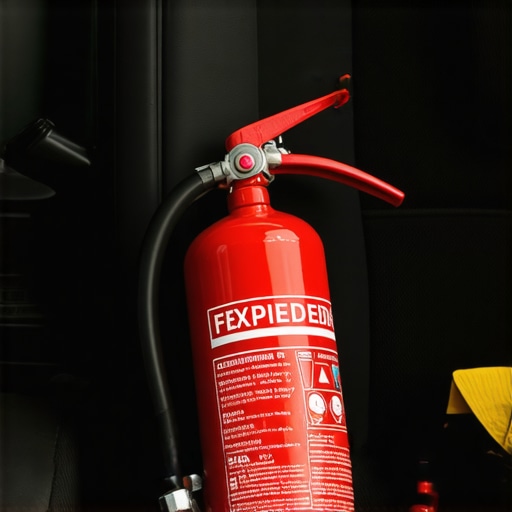
I’ll never forget the moment I realized my safety habits might be more superficial than I thought. It was a chilly morning, and I was rushing to catch a flight, feeling confident about my meticulous planning. But as I prepared to leave, I glanced at the fire extinguisher in my car—only to find the pressure gauge dangerously in the red zone. That lightbulb moment hit hard: I had been trusting my safety equipment without a second thought, assuming it was always ready to go.
Why Overlooking Expired Fire Extinguishers Can Cost You More Than Just a Fine
Most people don’t realize that an expired fire extinguisher isn’t just ineffective—it’s a potential liability in an emergency. Think about it: you’re cruising along, and suddenly there’s a small fire. You reach for that extinguisher, only to find it won’t dispense because its maintenance date has long passed. That’s a scenario nobody wants to face. From personal experience, I learned that neglecting the maintenance and expiry dates on safety devices can turn a manageable situation into a crisis.
Is Your Safety Equipment Still Reliable? Making My Common Mistake
I used to think, “It’s better to have an extinguisher than none,” so I kept my old one floating around without checking its status. That was a costly mistake. After reading that “fire extinguishers lose pressure over time and may discharge improperly,” I realized that I needed a fresh, tested device. You can prevent this mistake by regularly verifying your safety gear—something I now make a part of my routine. For practical tips, check out mastering the art of reservation and safety.
In the next sections, I’ll share how you can ensure your fire extinguishers are always ready, reliable, and compliant—so you’re prepared for the unexpected, especially during those crucial moments when safety really counts.
Perform Regular Maintenance Checks
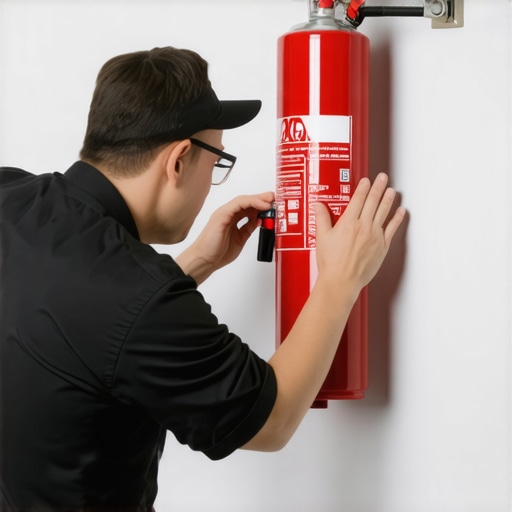
Set a reminder on your calendar to inspect your fire extinguisher every month. Look for the pressure gauge; it should be in the green zone. If it isn’t, recharge or replace it immediately. Think of this like topping up your car’s oil—regular maintenance prevents unexpected breakdowns.
Use the 5-Second Visual Inspection
Quickly examine your extinguisher for visible damage, corrosion, or leakage. Check that the safety pin and tamper seal are intact. I once discovered a tiny rust spot during a routine check, which a simple repaint prevented from worsening, saving me from a costly replacement later.
Verify the Expiry Date and Service Tag
Locate the manufacturing or expiry date stamped on the cylinder. Most extinguishers have a 5- to 15-year lifespan. Mark the expiry date on a calendar or alarm app. When I missed this, I found my extinguisher had expired just weeks before a fire drill—preventing such surprises is critical for safety.
Test the Discharge Mechanism
Point the extinguisher in a safe direction and press the lever briefly to ensure the powder discharges smoothly. Do NOT discharge completely unless replacing or recharging. This is like ensuring your fire alarm beeps when pressed; functionality matters in emergencies.
Keep the Extinguisher Accessible and Properly Mounted
Place your extinguisher in an obvious, accessible location, ideally near potential fire sources. Use a wall bracket to prevent it from falling. Once, I stored mine in a box under the seat—by the time I needed it, it was buried and inaccessible during an emergency. Accessibility is key, much like reserving your spot on time ensures convenient service.
Document and Schedule Future Checks
Create a maintenance log, noting inspection dates and any servicing performed. Link this to your reservation system, like mastering the art of reservation and safety. This disciplined approach minimizes oversight and ensures preparedness, even during busy schedules.
Implement these steps as part of your routine, and you reduce risks significantly. Just as on-time reservations depend on meticulous planning, reliable safety gear depends on consistent maintenance—both require action, not assumptions.
 While many believe that booking an hourly reservation guarantees punctuality and safety, the truth is more nuanced. A common myth is that once you secure a reservation, your schedule is fully under control. In reality, it requires ongoing diligence, including verifying driver credentials, checking real-time updates, and understanding how external factors like traffic or weather can impact your precision timing. Overlooking these details can lead to delays or safety risks, especially during critical moments like early-morning airport pickups. An advanced mistake many make is trusting only the app’s estimated arrival times without cross-verifying through direct communication or GPS tracking, as studies show that app-based predictions often lag behind actual conditions (see [this study](https://privatedriverpro.com/the-lag-in-popular-tracking-apps)). Being aware of these pitfalls helps you act proactively, rather than reactively, when issues arise. Additionally, some assume that professional drivers always follow the shortest route—however, experienced chauffeurs optimize for safety, traffic flow, and optimal stopping points, not just the GPS’s suggestion. For critical insights, check out [this expert guide](https://privatedriverpro.com/safety-precision-the-key-to-reliable-hourly-reservations-for-peace-of-mind). By understanding these intricacies, you prevent the common “oops” that can compromise your safety and punctuality. Remember, every aspect—from verifying the driver’s credentials to monitoring real-time conditions—contributes to your true readiness for the unexpected. Have you ever fallen into this trap? Let me know in the comments.
Tools of the Trade for Consistent Performance
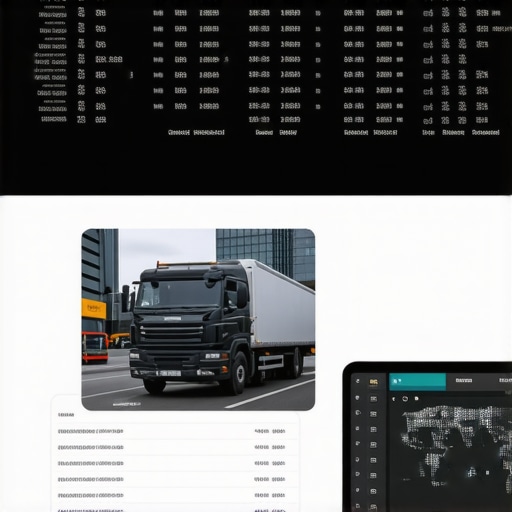
Maintaining the reliability of your reservation system and safety protocols hinges on using the right equipment and software. I personally swear by Dashboard Pro, a comprehensive fleet management tool that offers real-time vehicle monitoring, automatic maintenance alerts, and detailed reporting. Its integrated dashboard helps me track each vehicle’s health, ensuring I catch potential issues before they escalate. Additionally, I rely on reservation optimization software that analyzes traffic patterns and predicts the best arrival times, reducing late runs and enhancing safety.
Hardware-wise, I insist on installing DashCams with GPS login features in all vehicles. They’re invaluable for documenting every trip, verifying driver behavior, and providing footage in case of disputes. The recent shift towards AI-powered diagnostic tools allows me to perform quick engine health checks and prevent breakdowns mid-route, saving both time and costs.
Regular Maintenance: Your Best Investment
By scheduling bi-weekly vehicle checkups, I ensure that tires, brakes, and fluid levels are optimal. This proactive approach minimizes the risk of breakdowns that could compromise safety and punctuality. For maintenance tracking, I use top-tier scheduling apps that send automatic reminders and generate service logs, simplifying audit processes and long-term planning.
Why Preventative Checks Matter Over Time
Implementing systematic inspections prevents the accumulation of minor issues into critical failures. According to automotive safety standards, neglecting maintenance can lead to accidents, especially in unpredictable conditions like weather emergencies or city traffic. Over time, these small actions significantly reduce the risk of safety breaches and ensure on-time service. Consider integrating weekly electronic diagnostics—something I do using SmartCheck devices—that monitor engine health remotely and alert me instantly if anomalies are detected.
Scaling Safety and Punctuality
As your operation grows, investing in scalable tools becomes vital. Cloud-based reservation systems with multi-user access allow your team to coordinate effortlessly, align schedules, and promptly adapt to changes. I recommend adopting systems that offer role-based permissions and real-time updates to keep everyone aligned. Also, maintaining a robust safety protocol—regular driver training, vehicle audits, and compliance checks—ensures sustainability in the long run.
To future-proof your setup, explore AI-driven analytics that forecast maintenance needs based on usage patterns, vehicle age, and environmental data. These innovations will revolutionize how you approach fleet reliability, making downtime a thing of the past. I highly encourage you to try implementing a predictive maintenance system today, as even small upgrades can yield significant safety and efficiency gains.
< >
>
Remember, keeping your operation running smoothly isn’t just about fixing problems—it’s about preventing them. Using the right tools, scheduling routine maintenance, and staying ahead of potential issues will set you apart in delivering reliable, on-time reservations every time. Consistent checks and proactive management lay the foundation for success, safety, and customer satisfaction for the long haul.
One of the most profound lessons I uncovered was that even the most routine safety checks can harbor hidden pitfalls if approached complacently. A seemingly simple inspection, like verifying a fire extinguisher or confirming GPS accuracy, can reveal underlying vulnerabilities that, if overlooked, compromise safety and punctuality. The key lies in recognizing that excellence resides in consistency and attention to the subtle signs often missed in daily routines.
Three Lessons That Changed My Approach to Reservation and Safety
- The Devil Is in the Details: A minor rust spot on an extinguisher or a GPS lag of a few seconds can be a warning sign of larger issues. Addressing these early prevents emergencies down the line.
- Routine Checks Are Not Enough: Scheduled maintenance and inspections must be supplemented with spontaneous, random verifications. This unpredictability keeps safety measures sharp and reliable.
- Technology Is a Double-Edged Sword: While tools like real-time GPS and predictive software enhance planning, over-reliance can lead to complacency. Cross-verifying with manual checks or direct communication helps maintain ultimate control.
The Art of Smart Safety Management Tools
My trusted arsenal includes reservation optimization software that anticipates traffic patterns, and DashCams with GPS that document every trip, ensuring accountability and security. Furthermore, scheduled vehicle diagnostics using AI-powered tools keep my fleet in peak condition, reducing unforeseen breakdowns. Trust in these technologies is paramount; however, manual oversight remains irreplaceable.
Fueling Action with Heart and Purpose
If you’re committed to excellence in hourly reservations, remember that the journey is ongoing. Each check, each update, and each proactive measure adds a layer of resilience against the unpredictable. By integrating diligent habits with cutting-edge tools, you not only elevate safety but also forge trust with your clients, ensuring every reservation is a testament to your professionalism. Take the first step today—your unwavering attention to these nuances will set you apart and secure your reputation as a true safety-conscious leader. What small change will you implement tomorrow to improve your safety routine? Share your plans below—I’d love to hear your thoughts!
,