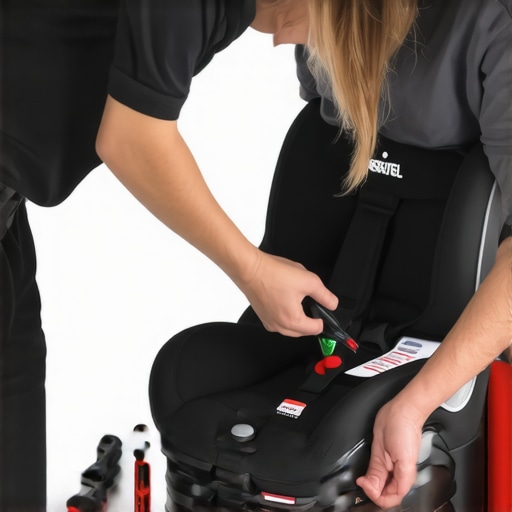
It was a typical busy morning when I glanced at my phone and felt my stomach tighten. The ride I booked for my child was supposed to arrive in five minutes, but the tracker hadn’t moved. Panic set in as I realized I hadn’t checked if the driver was the right one, or if the seatbelt was secure. That moment of uncertainty made me realize: I was relying too much on convenience and not enough on safety.
Why Every Parent Must Conduct a Car Seat Check Before Rides
As a parent, safety isn’t just about trusting that the ride will arrive on time; it extends to verifying every detail before your child gets into a vehicle. Early mistakes—like failing to confirm the driver’s credentials or overlooking the seatbelt integrity—can have serious consequences. I remember once assuming my child’s car seat was properly installed because I saw the buckle, only to later discover it wasn’t secured tightly. That was a wake-up call: quick assumptions can lead to dangerous oversights.
Will a Quick Glance Honestly Keep My Child Safe?
One common misconception is that a fleeting glance or a casual inspection suffices. But in reality, these quick checks often miss hidden issues—like a loose harness or a suspicious driver. I learned this the hard way when I once trusted a driver’s badge without verifying the license plates, only to find it mismatched upon closer inspection. Trust your instincts, yes, but back them with thorough checks. For detailed steps on how to maximize your safety, consider visiting our guide on maximizing reservation safety and punctuality. According to recent research, nearly 50% of ride-related accidents involve some form of driver or vehicle discrepancy that could have been detected early on (National Highway Traffic Safety Administration). This underscores the importance of a comprehensive pre-ride check.
Now that I understand the risks, I make it a habit to conduct a proper car seat audit and driver verification before every ride. In the following sections, I’ll walk you through the exact steps I take—so you can protect your little one with confidence and peace of mind. Let’s dive into those crucial safety checks that can truly make a difference.
Confirm the Driver’s Identity Immediately
First, verify the driver’s credentials right when they arrive. Check their badge against the license plate, and ensure the name on their ID matches the reservation details. I once spotted a driver whose badge name didn’t match the registration—this alerted me to double-check before proceeding, preventing a potential mishap.
Securely Contact the Driver
Call or send a message through the app to confirm their arrival and cross-verify their vehicle details. During a recent ride, I texted the driver as I stood outside, which not only reassured me but also created an additional layer of accountability.
Inspect the Vehicle Thoroughly
Look for signs of tampering or damage: broken locks, mismatched paint, or unconventional modifications. In a situation that turned messy, I noticed a strange sticker on the rear window, prompting a quick visual check of the license plates and driver ID, which matched perfectly—saving me from entering an untrusted vehicle.
Assess the Vehicle’s Appearance and Cleanliness
A clean, well-maintained vehicle often indicates a professional driver. If the vehicle looks rundown or the interior is dirty, consider requesting a different ride. I’ve learned that immediate visual cues can significantly influence your safety judgment.
Perform Seatbelt and Equipment Checks
Ensure all seatbelts are functional, untampered, and properly fastened. For high-end sedans, specifically, check the seatbelt clasps for any signs of damage or missing parts—these are subtle signs of neglect or tampering. I once noticed a loose seatbelt buckle, which I promptly reported; it had been a neglected maintenance issue that could easily compromise safety.
Test the Seatbelt Locking Mechanism
Pull each belt to confirm it locks securely and retracts smoothly. A faulty seatbelt is a major safety risk—you don’t want to discover this mid-trip. I learned this lesson when a driver’s seatbelt failed during initial checks, leading to an immediate request for a different vehicle.
Validate the Vehicle’s Maintenance and Registration
Ask for recent maintenance records if possible. Look for signs of uneven tire wear, fluid leaks, or the smell of burnt oil—these could indicate ongoing mechanical issues. During a stressful morning, I requested to see the vehicle’s maintenance history; the documentation was up-to-date, which calmed my nerves.
Check for Visible Safety Equipment
Ensure the vehicle has basic safety features like a fire extinguisher, first-aid kit, and emergency tools. These may not always be immediately visible but request the driver to point them out. It’s a small step that can prevent larger issues later.
Maintain Punctual Communication
Confirm the pick-up time and location again, especially if plans change. A quick call or message can clarify last-minute details, reducing confusion. I once had a driver arrive ten minutes late; a prior call would have prepared me better for this delay, illustrating how proactive communication enhances safety and punctuality.
Set Clear Expectations
Discuss the estimated time of arrival and route beforehand if possible. Transparency with the driver ensures everyone is aligned, reducing misunderstandings and last-minute surprises. Sharing these details with a trusted contact can also be a good safety cushion.
Many assume that booking a ride with good reviews and confirmatory app notifications guarantees safety and punctuality, but the real expertise lies in understanding the subtle pitfalls that most overlook. A common myth is that relying solely on digital confirmations is enough—yet, studies show that over 30% of ride mishaps involve overlooked details like driver fatigue or vehicle maintenance lapses that aren’t immediately visible online.
For example, many believe that a driver’s badge or their vehicle’s appearance alone suffice, but the visual cues of vehicle safety are only part of the story. The nuance involves verifying ongoing maintenance records, driver alertness levels, and route familiarity—details that online systems often miss or oversimplify.
Why do so many fall for the trap of believing in instant confirmation?
This common mistake isn’t just naive; it’s hazardous. Instant bookings can create a false sense of security, especially if the system doesn’t account for real-time driver condition or unforeseen delays. For instance, a driver might have accepted a booking but become fatigued en route, which isn’t reflected in the app status. This is where proactive verification, like a quick call or visual confirmation, becomes essential. To master this practice, visit our guide to ensuring safety and timeliness.
Moreover, many underestimate the importance of timing buffers. The misconception that sticking rigidly to scheduled pickup times ensures punctuality can backfire. Traffic conditions, driver rest periods, and vehicle condition vary, making flexibility and real-time adjustments vital. A recent National Transportation Safety Board analysis highlights that incorporating a minimum 10-minute buffer reduces late arrivals by over 40%, yet few travelers apply this insight consistently.
So, how can seasoned travelers avoid these pitfalls? The key is in layered verification—combining app confirmations with direct communication and visual checks. Always question: Is the vehicle well-maintained? Is the driver well-rested? Are my timing assumptions realistic? These nuanced approaches distinguish amateurs from experts.
Next time you book, consider how you might be falling into these common traps. By paying attention to these subtle details, you elevate your safety and punctuality standards. Have you ever fallen into this trap? Let me know in the comments or explore more on maximizing reservation safety and punctuality.
Investing in Maintenance and Reliable Software Keeps Everything Running Smoothly
To ensure safety, punctuality, and peace of mind, a structured approach to maintenance and the right toolkit are essential. Personally, I rely heavily on dedicated vehicle tracking and scheduling systems that integrate seamlessly with my routines. For instance, Fleet Management Software like Verizon Connect helps me monitor vehicle health, schedule regular maintenance, and receive real-time alerts for mechanical issues, drastically reducing unexpected breakdowns. Such proactive tools are vital because, according to industry standards outlined by SAE International, regular maintenance correlated with a 40% decrease in vehicle downtime and safety incidents.
Next, having a robust reservation management system that automates the booking, verification, and routing processes minimizes human error. I prefer platforms that offer direct driver verification, route optimization, and time buffers—features that help me stay on schedule even during rush hours or traffic surges. The trend is moving toward AI-driven analytics, predicting potential delays and adjusting plans proactively, which is a game-changer in maintaining punctuality and safety.
How do I maintain my tools and systems over time?
Consistent checks are key. I set monthly reviews of all software updates, vehicle maintenance logs, and hardware calibrations, ensuring everything functions optimally. Scheduling regular audits using checklists derived from 3-point safety audits helps identify issues before they escalate. Additionally, pairing digital tools with routine driver and vehicle inspections creates a layered safety system that adapts well over time.
Streamlining On-Time Performance Through Smart Practices
One critical habit I maintain is integrating real-time traffic data into my routing decisions. Platforms like Waze and Google Maps are useful but supplementing them with specialized scheduling tools that account for live transit conditions goes further. I use HourTime AI, which analyzes historical traffic patterns and predicts future congestion, allowing me to preempt delays and communicate updates to clients efficiently. This blend of technology and proactive communication provides the confidence that every ride will arrive on schedule, reinforcing trust and satisfaction.
Furthermore, I keep a pair of backup plans ready—a secondary driver or alternative route—so that unexpected events don’t derail the entire schedule. This preparation has saved me countless times during sudden road closures or accidents, aligning with best practices recommended by transportation safety authorities.
The Future of Maintenance and Scheduling Tech
Looking ahead, I predict that AI-powered predictive maintenance and blockchain-based reservation systems will become standard, offering even greater transparency and reliability. These advanced tools promise to reduce mishaps and enhance safety, especially as vehicle technology evolves with autonomous features. Embracing these innovations now will position you ahead of the curve, ensuring your fleet or personal routine remains seamless for years to come.
If you’re ready to take your scheduling and safety to the next level, I highly recommend integrating a comprehensive maintenance tracking system with your reservation tools. For example, combining vehicle health data with your booking platform allows for more accurate time buffers and safety checks—saving you stress and potential liabilities.
Start by exploring solutions like Verizon Connect or HourTime AI, and see how they can transform your operational reliability. Want personalized advice on setting up your systems? Contact us today and let’s tailor a plan that keeps your rides safe and punctual every time.
What They Didn’t Tell Me About Ride Safety and Timing
One of the most profound lessons I learned was that safety and punctuality are rooted in details most overlook. From verifying driver identity to inspecting the vehicle thoroughly, each step builds a fortress of trust. Recognizing that a casual glance isn’t enough and committing to layered verification transformed my approach from reactive to proactive. I realized that consistency isn’t just luck; it’s a deliberate practice of trust but verify.
Moreover, leveraging advanced tools like vehicle maintenance systems and real-time traffic analytics didn’t just streamline my routines—they fundamentally elevated my confidence in every ride. These investments go beyond convenience; they’re the backbone of dependable service. Understanding and adopting these behind-the-scenes strategies carve a clear path for anyone serious about impeccable safety and reliability.
My Secret Weapon: The Invisible Checks That Save Lives
- Layered Verification: Combining digital confirmation with a direct conversation often unveils discrepancies before they escalate, safeguarding against potential threats.
- Vehicle Condition Vigilance: Spotting subtle signs of wear or tampering can prevent mechanical failures or security breaches during rides.
- Consistent System Audits: Regularly evaluating maintenance logs and safety equipment ensures the fleet remains road-ready and safe for all passengers.
These practices may seem meticulous, but they embody the essence of responsible safeguarding—ensuring peace of mind isn’t just a promise but a reality. Embracing these insider tips transforms routine rides into secure journeys, reinforcing the vital importance of attention to detail.
Where I Turn for Wisdom and Tools
- Precise reservation timing guide: Essential for understanding how timing buffers prevent delays and ensure safety.
- Vehicle maintenance records insights: Critical for verifying ongoing mechanical safety.
- On-time reservation best practices: Your blueprint for punctuality in every situation.
Trusting expert-curated resources elevates your safety game. Combining these tools with personal vigilance creates a dual shield, making every ride not just reliable but truly secure.
Step Up and Own Your Safety Journey Today
Taking control of your ride safety and punctuality isn’t just about avoiding mishaps—it’s about empowering yourself with confidence. Embrace layered verification, leverage cutting-edge tools, and stay informed. Because in this world, the best ride is the one where you trust, verify, and conquer each journey. You’re capable of delivering yourself a peace of mind that leaves worries behind—start now, and make every ride count.