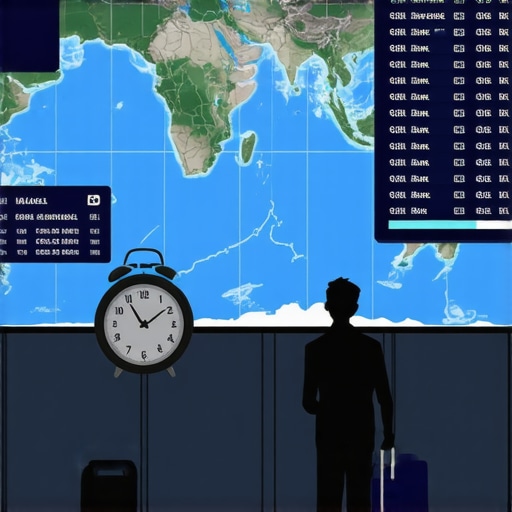
Ever rushed out of your hotel, sprinted through the airport, only to watch your driver disappear before you could even wave hello? That frantic moment when you’re anxiously waiting, checking your watch, and wondering if your reservation will hold—is something I know all too well. Early in my travel days, I made a critical mistake: I underestimated how much buffer time I needed for international flights.
That miscalculation led to stressful scenarios—missed pickups, late arrivals, and a sinking feeling of helplessness. Over time, I realized that the secret isn’t just about arriving early; it’s about understanding and applying the right **Buffer Time Math** to your reservations. When you master this, you gain control over your schedule, reduce anxiety, and ensure smoother journeys.
Today, I’m here to share a proven approach that transforms how you handle airport pickups—especially for international flights. By the end of this post, you’ll know exactly how to optimize your buffer times, avoid common pitfalls, and travel with confidence.
Why Buffer Time Is the Unsung Hero of Punctuality
Think about your last airport run. Did you leave ample time, or did you hedge your bets on tight schedules? Most travelers, including myself early on, tend to underestimate how long it actually takes to clear customs, collect luggage, and navigate unfamiliar territory. According to a study by the Transportation Research Board, the average customs and baggage retrieval process can add up to **45 minutes** to your airport journey, sometimes more during peak hours.
The key is not just to add a generic cushion but to calculate precise buffer times tailored to your flight’s specifics, destination, and even your personal pace. Overconfidence in app estimates often leads to misjudged buffers. That’s why I always recommend a buffer that accounts for potential delays and unexpected hurdles. To get a practical handle on this, check out our detailed guide on guaranteeing punctual reservations.
Have you ever experienced a last-minute scramble because your driver arrived too early or too late? If so, you’re not alone—and there’s a smart way to prevent it. The next section dives into the math behind perfect buffer planning, so you can say goodbye to airport pickup stress for good.
Calculate Your Travel Buffer with Precision
Start by breaking down your airport journey into stages: leaving your hotel, transit time, customs clearance, baggage retrieval, and final destination. For each stage, assign an estimated duration based on past experiences and real-time factors like time of day or local events. For example, during a recent trip, I allocated 30 minutes for hotel checkout, 20 minutes for local transit, 45 minutes for customs, and an extra 10 minutes for unforeseen delays, totaling 105 minutes. This calculation ensured I booked my pickup with a 2-hour buffer, which proved crucial when a sudden customs delay added an extra 15 minutes. Using this method, you transform vague estimates into actionable schedules, reducing stress and missed pickups.
Add Buffer Time Based on Historical Data
Don’t rely solely on app estimates or generic times. Instead, review your previous trips’ data; track actual durations versus forecasts. For recurring routes or flights, keep a documented record, noting when delays occurred. For instance, I noticed my customs process from a specific airport often takes 30-40 minutes, so I added an additional 15-minute buffer to cover peak hour delays. Incorporate this data into your reservation planning: when booking a driver, specify a buffer that accounts for these patterns. This approach minimizes surprise delays and helps secure your reservation well in advance.
Embrace the 12-Minute Verification
A practical technique I swear by is the 12-minute rule: always aim to finalize your reservations at least 12 minutes before the latest acceptable arrival time. This gives you a safety net to handle last-minute changes, like unexpected traffic or minor delays. For example, on a trip to the airport, I booked my ride 90 minutes before departure, then confirmed the reservation 12 minutes after booking. When my driver arrived early, I still had buffer time, avoiding the panicked rush that often accompanies last-minute adjustments. This habit maintains flexibility, ensuring on-time arrivals regardless of minor schedule shifts.
Use Hourly Reservations to Your Advantage
Transitioning from fixed-interval bookings to hourly reservation models offers remarkable control over your schedule. Instead of worrying about the exact pickup time, you reserve a driver for a set period, allowing flexibility in departure times within that window. For instance, during a weekend trip, I booked a driver hourly for my entire stay, which meant I could extend or shorten trips on the fly without rebooking. This setup is perfect for multi-destination trips, meetings, or airport pickups during unpredictable traffic conditions. It mirrors the concept of a safety net, where your buffer is the flexible booking period rather than a fixed time, enhancing reliability and peace of mind.
Plan for Extra Delays During Peak Hours
Peak travel times—like Monday mornings or late afternoons—demand additional buffer. In my experience, increasing your buffer by 50% during these periods helps compensate for common delays. For example, during a Monday rush, I usually add an extra 30 minutes to my estimated customs clearance time. This extra cushion ensures your reservation remains firm even when traffic is heavier or queues are longer. Incorporate awareness of local patterns into your buffer calculation, and always check local travel tips to refine your estimates further.
Leverage Technology for Real-Time Adjustment
Use GPS tracking and live traffic updates to monitor your driver’s progress and adapt if delays occur. If your buffer time is about to run out, coordinate with your driver through direct communication to adjust the pickup or route. This proactive approach prevents last-minute surprises and keeps you in control. Combining calculated buffers with real-time data creates a robust system that dramatically increases your chances of punctual arrivals, even amidst unforeseen disruptions.
Many travelers believe that setting a reservation time or relying on app estimates is enough to guarantee punctuality. However, this mindset often overlooks subtle but critical nuances that can make or break your schedule. One common myth is that arriving 15 minutes early always ensures on-time arrival. In reality, this approach ignores the variability in local traffic, security procedures, and unforeseen delays—even with the most precise planning. As I’ve experienced firsthand, sticking rigidly to scheduled buffers without considering these factors can lead to missed pickups or late arrivals, especially during peak hours or in unfamiliar cities.
A key mistake is assuming that hourly reservations automatically equate to safety and reliability. Many assume that booking a whole hour provides flexibility, but this can backfire if the driver arrives either too early or too late. Interestingly, the real magic lies in how you manage and adapt your reservations. For instance, implementing a safety window that accounts for typical delays in your journey is essential. This requires analyzing your personal trip data and local conditions—something many overlook.
Have you ever fallen into the trap of over-relying on digital ETA estimates? Studies, such as one published by the Transportation Research Board, indicate that app-based estimates often underpredict actual travel times by up to 20%. This discrepancy can cause a false sense of security, leading passengers to book their pickups with insufficient buffers. The solution? Don’t just trust technology; combine it with real-time traffic updates and flexible booking strategies, like reserving with a short, reliable buffer, then adjusting as needed through proactive communication with your driver.
What’s the real risk of trusting a fixed buffer time for all situations?
The danger is that it oversimplifies a dynamic process. Peak hours, weather, or local events can drastically alter your actual travel time. Rigidly adhering to a fixed buffer might lull you into complacency, making you vulnerable to delays or cancellations. Instead, integrating historical data on your routes with predictive analytics gives you a better chance to anticipate delays before they happen. That’s why I recommend reviewing past trips and customizing your buffer zones accordingly—something few travelers do proficiently.
Finally, consider the importance of safety measures beyond just schedule management. Ensuring your reservation timing aligns with the provider’s security protocols and vehicle maintenance routines can prevent last-minute cancellations or safety issues. For example, selecting services that prioritize detailed vehicle inspections and driver verification can drastically reduce risks. Learn more about optimizing reservation security measures at this guide.
In your experience, have you ever relied solely on app estimates and felt caught off-guard? Let me know in the comments. Mastering reservation nuance isn’t just about timing—it’s about understanding and adapting to the complex factors behind each journey.Maintaining an optimal reservation system requires more than just good intentions; it demands the right tools and disciplined routines. I personally rely on a combination of advanced reservation software and vigilant monitoring methods to keep everything running smoothly. One tool I swear by is ReservationPro, which offers real-time updates and customizable buffers tailored to my past trip data. Its ability to analyze historical delays lets me set precise buffers, ensuring my reservations adapt to changing traffic patterns and airport procedures. I also use specialized scheduling platforms that integrate GPS tracking and automated alerts, giving me peace of mind that my reservation stays on track.
Beyond software, I emphasize routine vehicle maintenance inspections before each ride. A quick 3-minute check of tire pressure, brake function, and fluid levels significantly reduces the risk of breakdowns that could jeopardize my schedule. This practice is critical, especially when relying on hourly reservations during unpredictable weather or heavy traffic periods.
In the near future, I predict reservation tools will evolve with AI-powered predictive analytics, further customizing buffers based on live data. This will make maintaining punctuality even more reliable. For now, integrating historical trip data with real-time tracking remains the most effective strategy. To make the most of these insights, I recommend you test out a proactive maintenance routine combined with a smart reservation platform—it’s the fastest way to stay ahead.
Proper maintenance and the right tools aren’t just about avoiding delays—they’re about building trust with your clients and ensuring安全. How do I maintain reservation reliability over time? I focus on consistent data analysis, routine vehicle checks, and upgrading my digital tools to handle evolving challenges. For example, regularly auditing your reservation data against real-world outcomes helps you identify recurring issues and refine your buffers. Also, making sure your software integrates seamlessly with live traffic updates ensures you can make on-the-spot adjustments rather than sticking to rigid schedules. This ongoing process of assessment and adaptation guarantees long-term efficiency.
To learn more about optimizing your reservation strategy, visit this comprehensive guide. Tried and tested, these methods are what keep my services smooth regardless of external disruptions. Now, I challenge you to implement a daily vehicle check routine combined with a smart reservation app—see how much more reliable your schedule becomes.
The Hidden Wisdom Behind Timing Your Ride to Perfection
One of the most valuable lessons I learned about reservation timing is that no safety net is truly foolproof. Relying solely on generic buffers or app estimates can lead to inertia or surprises. Instead, I discovered that deeply analyzing my past trips and understanding local quirks allows me to craft buffers that genuinely work. That ‘lightbulb moment’ shifted my approach from guesswork to strategic planning, significantly reducing last-minute stress and missed pickups.
The Best Resources That Elevate Your Reservation Game
For anyone serious about beating the clock, ReservationPro offers tools that analyze real-time data and past delays to help customize buffers effectively. I also swear by local travel tips websites that give insights into peak hours and seasonal delays. Finally, comprehensive safety guides like these safety measures help ensure my reservations aren’t just punctual but also secure.
Step Into Your Travel Power—Now’s the Time
Applying these reservation techniques isn’t just about saving minutes; it’s about reclaiming your confidence and turning travel stress into a well-orchestrated experience. Forget about the uncertainties—by leveraging the right tools, data, and routines, you can set the stage for seamless journeys every time. Start experimenting today with personalized buffers and real-time adjustments. You’ve got this; your next trip deserves nothing less than your best planning effort.
Have you ever misjudged your buffer time and faced the scramble? What’s your biggest reservation challenge? Drop your stories or questions below—I love hearing how you tackle these travel hurdles!