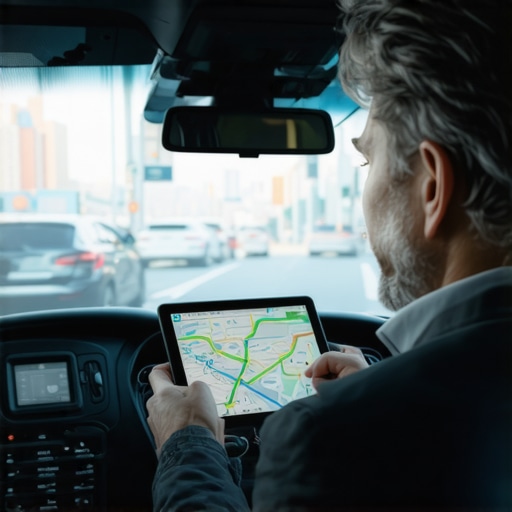
Have you ever watched your carefully planned day spiral into chaos because your driver missed a crucial stop or was late to the airport? I sure have. The first time I organized a complex multi-stop route, I thought handing over a handwritten list would suffice. Big mistake. My driver got lost, missed appointments, and I ended up stressed, late, and frustrated. That lightbulb moment made me realize something: briefing your driver isn’t just about giving directions—it’s about clarity, confidence, and control.
Why Proper Briefing Can Make or Break Your Day
Planning a multi-stop route is like orchestrating a symphony—each part needs to be precisely tuned. A comprehensive briefing ensures your driver understands the route, the priorities, and safety measures. But more importantly, it prevents miscommunications that lead to delays or unsafe situations. In my experience, the difference between a smooth ride and a stressful detour hinges on how well you communicate your needs beforehand. And trust me, a quick chat just won’t cut it anymore; detailed, strategic briefing is the secret sauce.
Is Over-Preparation Overkill?
Early on, I made the mistake of thinking a quick glance at the map was enough. Spoiler: it isn’t. I learned that neglecting comprehensive instructions often results in missed stops or late arrivals. Did you know that according to recent studies, unclear instructions can increase route delays by up to 30%? To avoid becoming part of that statistic, I turned to detailed plans, backup routes, and safety info, which dramatically improved my experience. Want to see how I do it? Stay tuned.
Let’s explore the practical steps to brief your driver effectively, ensuring you arrive on time, safe, and stress-free. Because no matter how tight your schedule, proper communication can save the day. Ready to master this art? Then keep reading.
Prepare Your Route in Detail
The foundation of an effective driver briefing begins with precise planning. Gather all relevant information, including pickup and drop-off points, special instructions, and potential obstacles like construction zones or traffic hotspots. Use real-time data, such as live traffic updates, to identify alternate routes. During my last airport run, I mapped out a primary route and two backups, noting where traffic congestion usually occurs, which helped avoid unexpected delays. For comprehensive route management, consider tools that offer dynamic rerouting. This preparation sets the stage for a smooth journey and minimizes surprises.
Communicate the Reservation Clearly
Ensure your driver understands the reservation details—pickup time, location, and any special requests. Think of this step as setting the GPS with a destination; clarity here prevents the driver from getting lost along the way. When I scheduled a client pickup, I confirmed the exact address, included instructions about gate codes, and specified preferred departure times. Additionally, verify the reservation time with the driver to prevent misinterpretation. For added certainty, share written instructions or confirm the details through a messaging app. Clear communication reduces confusion and ensures everyone is aligned.
Emphasize Safety and Security Protocols
Safety is the backbone of reliable transportation. Brief your driver on essential safety measures, including vehicle inspection routines, seatbelt checks, and adherence to traffic laws. When I coordinated a senior client’s ride, I emphasized the importance of checking door locks, rear door safety, and ensuring the vehicle’s interior is clean and secure. For documentation purposes, confirm that the driver’s insurance and vehicle inspections are up to date. Reiterating safety protocols not only protects passengers but also enhances trust. To delve deeper into safety standards, check out this guide on safety and precision.
Establish Timeliness Expectations
Setting realistic timeframes and buffers is crucial for punctuality. Think of your schedule as a carefully balanced scale: too tight, and delays topple it; too loose, and efficiency suffers. I learned this firsthand when managing early morning airport pickups; I added a 15-minute buffer for traffic and check-in processes, which prevented last-minute rushes. Communicate these expectations to your driver explicitly, emphasizing the importance of arriving on time for appointments or flights. Use terms like “anticipate a 10-minute cushion” to clarify. For strategies on mastering punctuality, reviewing this resource can be helpful.
Confirm Identity and Vehicle Security
Before departure, verify that the driver’s credentials and vehicle details match your booking information. It’s like checking the license plate and driver ID to ensure security. I always ask to see the driver’s ID and cross-reference it with the reservation details. Additionally, inspect the vehicle’s exterior and interior for signs of maintenance or damage, which can indicate overall safety. Be wary of vehicles that lack proper inspection stickers or show signs of neglect. For tips on security measures, consult this guide on driver profiles and red flags. This step safeguards you from potential risks and guarantees a professional experience.
Set Expectations for Communication During the Ride
Define how you and the driver will stay in contact during the trip. Think of it as establishing a two-way dialogue that allows for real-time adjustments. For instance, agree on using messaging apps for updates or emergencies. When I managed a complex multi-stop route, I instructed the driver to notify me instantly of any delays or issues, enabling me to make quick decisions. Also, confirm the driver’s familiarity with your preferred route and any alternate plans. Reliable communication channels help in maintaining control and responding swiftly to unforeseen circumstances, ensuring the journey stays on track.
With these concrete steps, your driver briefings will become more structured and effective, transforming chaos into confidence. Mastering these techniques means fewer delays, safer trips, and peace of mind, no matter the journey. For more insights on securing timely and safe hourly reservations, visit this comprehensive safety and timing guide.
Many assume that simply making a reservation guarantees punctuality and safety, but the reality is far more nuanced. One common misconception is that confirming a booking once is sufficient; in practice, frequent follow-ups and real-time updates are critical to prevent misunderstandings. Additionally, over-reliance on automated ETA predictions from apps can be misleading, especially during adverse weather conditions or traffic anomalies, leading to missed pickups despite having a confirmed reservation. Expert studies, such as those highlighted in this resource, show that manual verification of vehicle location and driver communication remains essential for reliability.
Investing in Reliable Tools for Seamless Reservations
Keeping your reservation system working flawlessly over time requires the right tools and consistent maintenance. I personally rely on a combination of advanced scheduling software like Booker Pro and real-time tracking platforms such as FleetTrack. Booker Pro allows me to automate appointment confirmations, send automated reminders, and manage cancellations efficiently, reducing no-shows and last-minute surprises. FleetTrack provides live vehicle location updates, so I always know the exact status of my drivers, which is critical for ensuring punctuality and safety.
How do I maintain reservation accuracy over time?
Regular audits are essential. I schedule monthly reviews of my software integrations and update contact information for drivers and clients. Establishing a routine check of vehicle inspection reports and insurance validity also helps uphold safety standards. For instance, I verify that all vehicles have current inspection stickers using digital records linked to my management platform, aligning with practices outlined in this detailed guide on safety and timing. Keeping software up to date ensures compatibility with the latest features and security patches, preventing disruptions in service.
Future Trends in Reservation Management
Looking ahead, I predict that AI-driven analytics will become indispensable in optimizing scheduling and predicting delays. Integrating machine learning algorithms can help anticipate traffic patterns or driver fatigue, enabling proactive adjustments. Embracing automation today not only enhances efficiency but positions your service to adapt smoothly to technological advancements, ensuring longevity and client trust.
For those serious about long-term reliability, I recommend adopting a systematic approach to maintenance—regularly updating your tools, auditing your processes, and staying informed on emerging tech. Practical steps like setting calendar reminders for monthly software reviews or investing in comprehensive safety training will pay dividends in service consistency. Want to dive deeper into effective management routines? Explore this resource for expert insights.
Don’t hesitate to implement one new maintenance habit this month—something as simple as checking your vehicle inspection records or updating your reservation software’s settings. Small, consistent efforts create a resilient reservation system capable of delivering extraordinary reliability day after day.

What I Wish I Knew Before Relying Solely on Technology
One breakthrough moment was realizing that automated ETA predictions are helpful but not infallible. Relying exclusively on digital tools can give a false sense of security, leading to missed pickups or late arrivals. I learned to couple these tools with personal verification, like calling the driver or checking real-time vehicle updates—just like I do with strategies for reliable hourly reservations. This hybrid approach ensures better control and peace of mind.
How Personal Checks Keep My Trips Safe and Stress-Free
Verifying driver identity and inspecting the vehicle before each trip might seem minor, but it’s a game-changer. A quick glance at the driver’s ID and vehicle inspection sticker has saved me from potential safety issues more than once. Incorporating these small steps aligns with the safety measures I trust for peace of mind, as outlined in this detailed guide. These personal touches reinforce trust and prevent surprises.
How I Learned to Forgo the Last-Minute Rush
Adding buffer time isn’t just a tip—it’s a necessity. My realization? The typical 5-minute cushion often isn’t enough, especially during city traffic or weather delays. I now plan for at least 15-minute buffers, confirming this explicitly with my driver. This proactive planning has transformed my airport runs from frantic to smooth, echoing the importance of strategic time management in this comprehensive resource. Managing expectations around time is as crucial as the reservation itself.
My Secret Weapon for Seamless Reservations
Consistent review of my reservation tools and communication protocols keeps everything operating smoothly. I trust platforms like Booker Pro for automation and FleetTrack for live vehicle tracking—tools I’ve integrated into my routine for years. Regular audits, like verifying driver contact info and checking vehicle maintenance records, as recommended in this trusted guide, help me catch issues before they escalate. These habits ensure I stay confident in my reservation process, no matter how busy the schedule.
Are We Doing Enough to Protect Our Journeys?
The harsh truth is that many overlook simple safety checks, believing their reservation is foolproof. My lightbulb moment was understanding that verifying vehicle and driver details isn’t just a safety step but a crucial part of reliability—something detailed in this red flags guide. These proactive measures significantly reduce risks and elevate your overall experience, making every trip safer and smoother.
Inspired to Elevate Your Reservation Game?
Ultimately, mastering reservation strategies isn’t just about avoiding delays; it’s about transforming your journeys into reliable, stress-free experiences. By implementing these personal lessons and trusted tools, you take control of your schedule and safety. Now, it’s your turn—what’s one reservation habit you’re ready to change today? Share your thoughts below and let’s build a community of confident travelers.