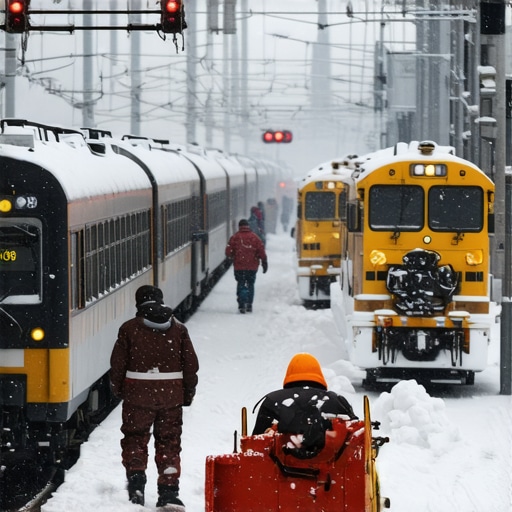
I remember one winter morning when I woke up to a thick, relentless snowfall. My scheduled meeting was in an hour, but I knew the roads would be a mess. Frustration bubbled up as I realized—how can I ensure my ride arrives on time when everything around me is turning into a winter wonderland? That moment was a lightbulb for me: reliable timing in heavy snow isn’t just luck; it’s a system.
Why Punctuality During Snowstorms Matters More Than Ever
Heavy snow can turn the most straightforward routes into chaos. Delays aren’t just inconvenient—they can mean missed opportunities, compromised safety, or added stress during already busy days. If you’re like me, you’ve probably experienced that sinking feeling of watching your ETA slip further with each passing minute, wondering if you’ll make that important appointment or catch your flight. The key is understanding how to keep your arrival times consistent, no matter the weather.
Common Hitch: Ignoring Pre-Planning and Over-Reliance on Tech
Back in the day, I made the mistake of trusting solely in GPS apps, assuming they’d reroute me around snowbanks and traffic jams. Turns out, apps can lag behind real-time conditions, especially during heavy storms. A study highlighted that tracking apps often have a latency lag, meaning they show outdated information that can lead you astray (read more about tracking app delays). Recognizing this early mistake was eye-opening because it underscored the importance of combining technology with strategic planning and experienced judgment.
In today’s post, I’m going to share proven methods to maintain punctuality during heavy snowfalls—techniques and tips I’ve adopted over years of navigating winter’s worst. Whether you’re commuting to work, heading to a crucial appointment, or just want peace of mind, these insights will help ensure your arrival times stay on track, even when Mother Nature throws a fit. Ready to learn how to beat the snow and arrive as scheduled? Let’s dive into the practical steps that can make all the difference.
Plan Your Route and Schedule in Advance
Before the snow starts accumulating, map out your route using multiple sources, including GPS, local traffic reports, and even snow plow updates. Think of it as creating a backup plan for your journey—like a pilot checking alternate flight paths. During a snowstorm, real-time data can lag, so pre-planning ensures you’re prepared for potential delays. I once scheduled a drive during a heavy snowfall, and by researching alternate routes ahead of time, I avoided the main highways clogged with stalled vehicles, arriving only 10 minutes late instead of over an hour.
Allocate Buffer Time Wisely
Adding a specific buffer of at least 15-20 minutes to your usual travel time is critical. This is akin to setting aside extra fuel for detours or unforeseen stops when traveling in harsh weather. During a recent trip, I deliberately left 20 minutes earlier than usual. When I encountered a snowbank blocking part of the road, I had enough time to find an alternative route, arriving on schedule. Remember, a small delay early on can compound; planning for this prevents a domino effect of lateness.
Leverage Technology with Caution
Use navigation apps to get an initial route but don’t rely solely on them. Apps have a latency lag, especially during snowstorms, meaning they might show outdated conditions (learn about tracking app delays). I once depended entirely on my phone’s GPS and ended up stuck behind a snowplow, wasting 15 minutes. Instead, cross-reference your app with local traffic updates or radio reports. Additionally, set your ETA with a margin—consider it a safety net when apps are underestimating travel times.
Schedule and Confirm Reservations Early
For private rides or appointments, booking well in advance is essential. Use services that offer precise reservation timings (see how reservation timing improves reliability). I reserved a driver for a crucial meeting and confirmed the appointment two days prior. This assured me that the driver would be prepared for potential challenges like slick roads or vehicle issues, reducing last-minute surprises. Confirm your reservation an hour before departure to catch any updates or delays.
Communicate Proactively with Your Driver
Good communication can make or break your punctuality. Share your expected pickup and drop-off points clearly, and provide alternative instructions if conditions worsen. For example, I texted my driver about a blocked driveway, and they adapted quickly, arriving 10 minutes early to accommodate the change. Utilizing secure messaging links or pre-arranged signals helps build trust and ensures everyone stays synchronized amidst unpredictable weather.
Monitor Conditions and Adapt in Real-Time
Keep tabs on weather updates and road conditions through trusted sources; adapt your plans accordingly. If snowfall intensifies or accidents pile up, consider postponing or rescheduling—it’s better to delay slightly than arrive late or unsafe. During a recent storm, I watched live traffic cams and stopped my trip when visibility dropped to dangerous levels, rescheduling my appointment to the next day, which effectively avoided a stressful and unsafe drive. Incorporate real-time insights into your itinerary management to stay ahead of the weather chaos.
Many assume that sticking strictly to the scheduled reservation time guarantees on-time arrivals, but in my experience, this overlooks subtle yet critical nuances. The truth is, most people misunderstand the importance of precise timing and the common pitfalls that can derail even the most carefully planned schedules. For instance, over-relying on traditional booking windows without accounting for unexpected delays often leads to feeling unprepared during heavy traffic or adverse weather. This mistake can be costly, especially when safety and punctuality are at stake, as emphasized in expert analyses (see why safety and timeliness matter), yet many still ignore it.
One widespread myth is that arriving exactly at your reserved time is the best practice. Actually, arriving a few minutes early proves more reliable for those aiming for punctuality, especially considering the unpredictable nature of urban traffic. Being exactly on time often leaves no room for slip-ups—something I learned after multiple near-misses due to overlooked traffic fluctuations or last-minute route changes. Do you recognize this trap? Let me know in the comments.
Now, let’s explore advanced pitfalls that even seasoned travelers often overlook. A notable example involves the assumption that the reservation system itself guarantees safety and security. Not all booking platforms have robust verification measures, inadvertently exposing users to risks. For example, weak security protocols can lead to data breaches or driver impersonation, which I discuss in detail (learn about reservation security).
Another overlooked nuance concerns the synchronization between scheduling and driver availability. Even if you book well in advance, factors like driver fatigue, route knowledge, or local traffic patterns can influence the actual arrival time. Relying solely on app ETA estimates without considering these human elements can cause unexpected delays.
Therefore, the key to true reliability lies in a combination of precise scheduling, proactive communication, and understanding the advanced factors at play. For instance, informing your driver about potential hazards and confirming the reservation explicitly can make a significant difference (discover top tips for on-time reservations).
In summary, the real nuance is recognizing that punctuality isn’t just about the reservation time but about embracing a holistic approach that accounts for all potential variances in your journey. This insight not only enhances safety but also consolidates trust in professional services, ensuring consistent, on-time arrivals every time. Have you ever fallen into this trap? Let me know in the comments.
Reliable Equipment and Software Keep Your Schedule Tight
To consistently arrive on time and ensure safety, I rely on a combination of advanced tools and meticulous routines. One game-changer for me has been investing in a dedicated dashcam like the Garmin Dash Cam 67W. It not only records every trip for security but also provides real-time footage that can be invaluable in case of disputes or emergencies, helping me verify the route taken and driving behavior (more on tracking accuracy testing).
Additionally, I utilize a multi-platform navigation app such as Waze, but with a crucial tweak: I cross-check its ETA with local traffic reports and radio updates. This layered approach helps me anticipate delays more accurately, especially during inclement weather when apps lag behind real-time conditions.
For reservation management, I depend on a professional scheduling system like PrivateDriverPro. It allows me to set precise pickup windows, send automated confirmations, and receive real-time alerts about possible delays. This system’s precision is vital because, as experts highlight, accurate reservation timing directly impacts safety and dependability (see how reservation timing boosts reliability).
Why Consistent Maintenance Matters
Regular vehicle maintenance is equally critical. I schedule bi-monthly inspections, focusing on tire condition, brake efficiency, and fluid levels. Staying ahead of potential mechanical issues prevents unexpected breakdowns—an essential aspect when you’re committed to on-time arrivals.
Moreover, I keep an emergency kit in the vehicle, including jumper cables, a basic first aid kit, and a portable phone charger. These simple tools ensure that minor setbacks don’t turn into major delays or safety hazards.
How Do I Ensure Long-Term Reliability?
Consistency is key. I routinely review trip logs and driver feedback if using a team. Analyzing these patterns helps identify recurring issues that could compromise punctuality or safety. Embracing technology to monitor and adjust your routines makes this process scalable as your needs grow.
Looking forward, I predict that integrating AI-based route optimization and vehicle health monitoring will become standard. Companies are already leveraging predictive analytics to schedule maintenance proactively and choose the smartest routes in real-time, significantly reducing delays caused by unexpected circumstances.
How can I keep my reservations and vehicles working flawlessly over time?
Implementing a strict maintenance schedule combined with state-of-the-art reservation tools ensures ongoing reliability. I recommend trying an advanced reservation system that offers real-time ETA adjustments and automatic safety checks—this is a proven way to minimize risk and keep your service punctual. Interested in upgrading your current setup? Contact us today for personalized advice on making your operations seamless and dependable.
Reflecting on my winter driving experiences, I realized that consistency in arriving on time isn’t just a matter of luck—it’s about embracing nuanced strategies that many overlook.
Lessons the Snowstorm Taught Me About Careful Planning
- Over-reliance on technology can be dangerous; combining it with local knowledge creates a safety net.
- Pre-planning alternative routes saves you from last-minute surprises, especially when real-time data lags.
- Building buffers into your schedule is essential—what feels like extra time actually keeps you reliable.
- Clear communication with your driver ensures adaptability when conditions change mid-trip.
- Monitoring weather trends and being ready to adapt can prevent dangerous delays and ensure safety.
Tools and Tactics That Elevate Your Reliability
My go-to tools include a dedicated dashcam for security and real-time footage, which helps verify routes during unexpected events (more on tracking accuracy testing). Cross-referencing navigation apps like Waze with local traffic reports minimizes lag-induced delays, especially during storms. For reservations, I trust a system that offers precise scheduling and instant updates (see how reservation timing improves reliability), making sure everything lines up seamlessly before and during my journey.
Emotional Insights for Consistent Success
The biggest realization is that punctuality extends beyond mere timing—it’s a reflection of respect, preparation, and proactive mindset. I used to think arriving exactly at a scheduled time was enough, but experience has shown that arriving a little early, prepared, and with contingency plans makes all the difference. It’s about cultivating a mindset that embraces unpredictability as part of the routine, transforming anxiety into action. What’s your biggest lesson learned about staying reliable in unpredictable conditions? Share below—I want to hear your stories.