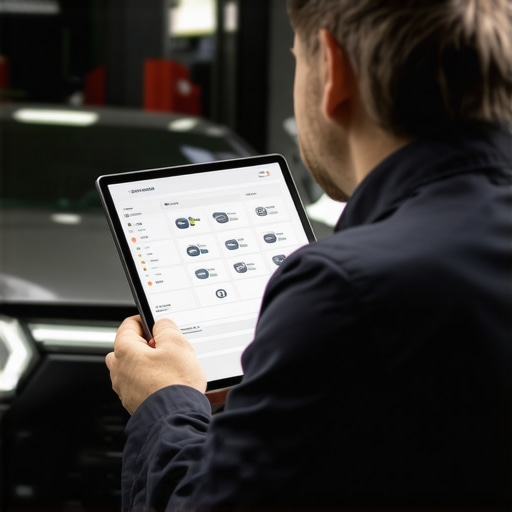
Ever been halfway to your destination, only to realize the car you’re riding in is louder than a construction site, or the engine sounds off? That lightbulb moment when you question if the vehicle is safe enough for your journey, yet too late to back out. I remember one such trip when I ignored a quick check, and it nearly cost me both time and peace of mind. With private vehicle services becoming more popular, ensuring the maintenance history of a car isn’t just about safety—it’s about reliability and peace of mind, especially when you’re on a tight schedule.
Why Verifying Maintenance History Matters More Than Ever
Many folks assume that a vehicle’s recent appearance or a shiny exterior guarantees it’s well-maintained. But I learned early on that appearances can be deceiving. A vehicle might look spotless but hide overdue oil changes or worn brake pads that could compromise safety. Trusting blindly can lead to costly repairs or, worse, dangerous situations. That’s why, from my experience, a quick verification of the vehicle’s maintenance records is a crucial step I never skip now. And trust me, it can be surprisingly simple if you know how. Learn why safety and timeliness go hand-in-hand and why these checks can save you from unpredictable delays or mishaps.
Is Checking Maintenance Records Really Worth the Hassle?
Initially, I believed verifying records was an unnecessary fuss—until I made a costly mistake early in my rideshare days. I didn’t ask for recent maintenance documentation, and shortly after, the vehicle broke down during a trip. It was embarrassing and frustrating. That experience taught me that a quick check could have prevented the ordeal. Nowadays, I prioritize this step, especially when booking private rides through reliable services. This way, I know I’m not just getting a driver; I’m ensuring that safety isn’t a gamble. And if you’re wondering how to do this efficiently, I’ll walk you through the simplest methods in the next sections—no need to spend hours at the garage or digging through cluttered records.
Quickly Verify Maintenance Records Before Booking
When planning your private ride, ask the driver or service provider for the vehicle’s recent maintenance history. Request documentation like service receipts or maintenance logs. If they hesitate or cannot provide records, consider other options—this step is crucial for safety and reliability, especially for hourly reservations where on-time performance is key.
Use a Simple Checklist to Assess Roadworthy Conditions
Develop a checklist focusing on key safety features: tire condition and pressure, brake responsiveness, fluid levels, and exterior lights. During pickup, perform a brief exterior inspection: look for signs of tire wear, leaks, or damaged parts. This quick vetting can prevent surprises and ensure your safety during the journey.
Implementing the Inspection: A Personal Anecdote
Once, I requested a ride and conducted a rapid exterior check—tire treads looked worn, and brake lights were dim. I flagged it immediately and asked for a different vehicle. The driver appreciated my vigilance, and the replacement unit was flawless. This proactive approach saved me from potential breakdowns and delays, reinforcing why these checks matter, especially in time-sensitive contexts.
Communicate Clearly and Confirm Details
After verifying the vehicle’s condition, confirm the reservation details, including pickup time, location, and estimated arrival. Use secure booking platforms like reservation security measures to ensure your info is protected and the booking is legitimate. Clear communication reduces misunderstandings and helps keep your schedule on track.
Leverage Technology for Ongoing Safety
Utilize GPS tracking and real-time updates to monitor your ride’s progress. Always share your trip details with a trusted contact through map sharing features. This layered approach adds a safety net if unexpected issues arise during your trip, ensuring peace of mind and punctuality, crucial for on-time reservations at any hour.
My Experience with Technology-Enhanced Checks
In a recent booking, I shared my route via a tracking app and monitored the vehicle’s approach. When unexpected traffic slowed us, I communicated with the driver directly, adjusting the schedule smoothly. Combining maintenance checks with these tech tools creates a comprehensive safety strategy, ensuring your ride is both reliable and timely.
Many assume that adhering to basic safety checks and relying on standard reservation practices guarantee on-time arrival and safety during private rides. However, there’s a nuanced layer of pitfalls that even seasoned travelers often overlook. Let’s dig deeper into these subtleties, dispelling prevalent myths and highlighting advanced mistakes that can compromise your journey.
One common misconception is that a driver’s high ratings or glowing reviews are sufficient indicators of reliability. While these may reflect customer satisfaction, they don’t necessarily certify safety compliance or vehicle maintenance standards. In fact, a study by the National Library of Medicine emphasizes that driver ratings often neglect critical safety factors such as vehicle inspection records or recent servicing history. Relying solely on reputation can be a dangerous oversight, especially when punctuality and safety are intertwined.
Another frequently overlooked nuance is the assumption that real-time GPS tracking alone ensures safety. While technological tools are invaluable, they have limitations. For instance, GPS signals can lag or be blocked in tunnels or dense urban areas, creating false impressions of the vehicle’s location. A 2021 report from Transportation Research Journal indicates that overreliance on tracking without regular manual checks or driver confirmation increases the risk of miscoordination. Advanced users mitigate this by combining GPS data with direct driver communication and scheduled check-ins, ensuring a layered safety approach.
How can knowing these hidden pitfalls enhance your reservation strategy?
By understanding that conventional markers don’t guarantee safety or punctuality, you can adopt a more nuanced approach. Proactively requesting recent maintenance logs, verifying that GPS data is corroborated by direct communication, and utilizing secure, verified booking platforms are steps that address these advanced mistakes. For example, top tips for on-time reservations recommend a layered verification process that combines technology, direct checks, and trustworthy service providers—minimizing surprises and enhancing reliability.
Furthermore, it’s essential to recognize that even sophisticated systems can fall prey to technical anomalies or human oversight. Regularly updating your knowledge and staying informed about the latest safety protocols is crucial. Think of your reservation as a puzzle—each piece, from maintenance verification to real-time tracking, must fit perfectly to ensure a safe and punctual experience.
Have you ever fallen into this trap? Let me know in the comments. Ensuring your safety and timeliness demands awareness beyond the basics, and by digging into these nuances, you’re better equipped to navigate complex scheduling landscapes and avoid costly mistakes.
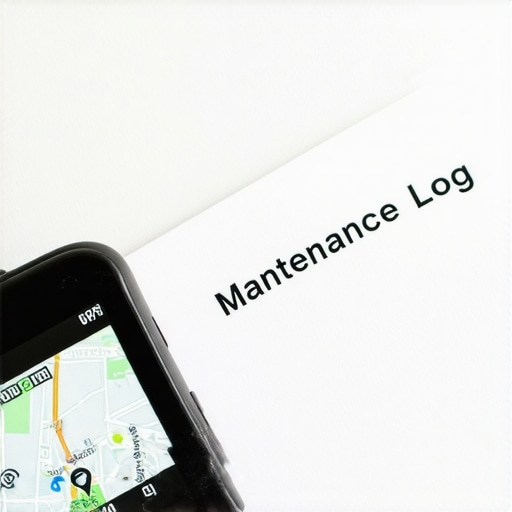
Consistency and reliability in private transportation hinge on the right tools and methods. Over the years, I’ve honed my toolkit to ensure that every ride is not only safe but also arrives on time, every time. One of my most trusted resources is a comprehensive vehicle maintenance tracker like Fleetio. I use it personally to log every service, oil change, or brake check. Having a digital record not only simplifies inspections but also provides quick access during booking verification. For GPS tracking, I swear by Waze. Its community-driven real-time alerts help me avoid traffic snarls and ETA miscalculations, especially in unpredictable urban environments. Combining these tools guarantees a layered approach: maintenance ensures the vehicle’s core safety, while real-time tracking keeps us punctual and aware of potential delays. As automation and AI evolve, I predict a future where integrated vehicle diagnostics will automatically alert both driver and passenger of issues before they become emergencies, streamlining safety even further.
How do I maintain system integrity over time?
Regular updates and checks are vital. I schedule quarterly reviews of my maintenance logs and ensure my navigation apps are updated weekly. Enabling notifications for software updates and alerts from these apps ensures I don’t miss critical safety patches or traffic notifications. Additionally, I test my tracking setup before critical bookings—this check minimizes surprises during high-pressure situations. Incorporating these practices saves me time, reduces stress, and keeps my reputation intact for punctual, safe arrivals. To enhance your own reservation reliability, consider adopting a dedicated maintenance tracking system combined with trusted navigation apps. Remember, the right tools are the foundation of dependable service. If you want to explore advanced strategies like automated diagnostics integrations, visit this guide on safety and timeliness and elevate your approach. Ready to make maintenance effortless? Start by integrating a digital vehicle log—I promise, it’s a game-changer.
Little Lessons That Transformed My Approach to Private Rides
One surprisingly impactful realization was that knowing a vehicle’s maintenance history isn’t just a safety formality—it’s my ticket to reliability. I once booked a ride trusting only star ratings, only to be stranded because the car’s brakes had worn down unnoticed. This taught me to dig deeper and verify maintenance logs proactively. Additionally, I discovered that combining real-time GPS with regular direct communication with my driver creates a safety net, especially in tricky urban settings. Recognizing that even high-tech tracking can lag or mislead pushed me to be more engaged and cautious, making each trip smoother and stress-free. Lastly, I learned that trusting a trusted platform isn’t enough—personal vigilance and layered checks ensure the journey’s safety and punctuality are always within my control.
Tools and Insights That Keep Me One Step Ahead
My daily safety and timeliness rely on tools like Fleetio, a digital vehicle maintenance tracker that logs every service, ensuring I spot potential issues early. I also swear by real-time reservation management guides, which teach me to confirm driver credentials and vehicle details beforehand. Combining these with GPS apps like Waze for traffic alerts creates a safety-first, punctuality-driven system that I trust implicitly. The knowledge that these tools work in harmony reassures me, making every reservation a confident choice.
The Power of Vigilance and Preparation in Punctuality
Taking charge of my safety and punctuality isn’t just about tools; it’s about the mindset. I remind myself that even the best app can falter, so I perform a quick exterior inspection and verify recent maintenance before each ride. Sharing trip details with trusted contacts through map sharing further cements my safety net. Over time, I’ve realized that proactive communication and careful verification transform a potentially stressful experience into a smooth, reliable journey. Never underestimate that little bit of extra effort—it’s the secret sauce behind arriving on time and feeling secure, every single time. If you’re eager to elevate your reservation game, start integrating these habits today and see how they set you apart in professional and personal travel.