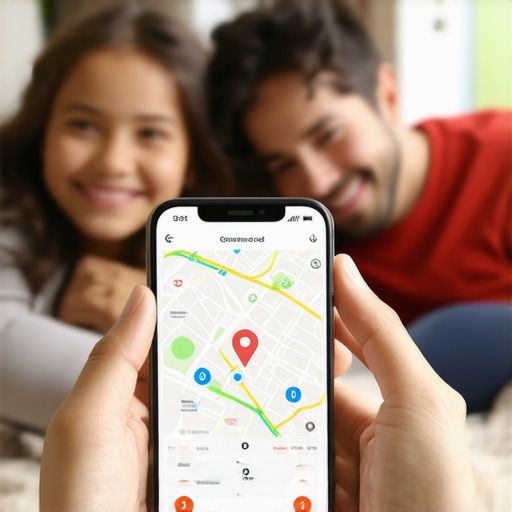
I remember the exact moment it hit me—standing at a busy intersection, anxiously checking my phone, wondering if my loved ones knew I was okay. It wasn’t a dramatic accident or a life-threatening emergency; it was a simple miscommunication about my whereabouts that left me feeling vulnerable. That lightbulb moment made me realize how fragile our sense of security can be when we don’t have reliable tools to share our location in real-time.
Why Your Family Needs to Know You’re Safe – Today
In our fast-paced lives, knowing your loved ones are safe is more than just reassurance—it’s peace of mind. Whether you’re commuting through heavy traffic, heading into unfamiliar areas, or just running late, sharing your location offers a practical way for your family to stay connected without constant calls or texts. But here’s the catch: not all map-sharing options are created equal, and some can give a false sense of security.
> According to a recent study, nearly 80% of people feel more at ease when their family can track their location during commutes or trips (source: Private Driver Pro). This simple step can significantly reduce anxiety and ensure timely assistance if needed.
But not everyone has adopted this proactive approach. Have you ever hesitated to share your location because you worried about privacy or complicated setups? You’re not alone. Many overlook the importance of setting up reliable map sharing as part of their safety routine, and I was guilty of exactly that early on. I made the mistake of trusting random apps without understanding their privacy implications, which could lead to unwanted exposure or data mishandling.
Today, I want to share how you can safeguard your loved ones with simple, effective map sharing strategies. We’ll go beyond just turning on a feature—you’ll learn how to do it securely and seamlessly, so your family truly knows you’re safe at any hour. This isn’t just a tech lesson; it’s about building trust and peace of mind in our digital lives. Ready to take control of your safety network? Let’s dive into practical steps that make a difference.
Set Up Reliable Map Sharing Before You Head Out
Start by choosing a trusted app that prioritizes privacy, like a dedicated location-sharing service, rather than generic social media platforms. Download and install the app well in advance of your trip to avoid last-minute glitches. Once installed, familiarize yourself with its settings to control who can see your location and for how long.
Choose the Right Sharing Method for Your Needs
Opt for real-time sharing features that allow your family to track your movement continuously, similar to a live GPS feed. This ensures they see your progress and can intervene if necessary. Remember, the key is transparency without exposing unnecessary personal data—review the app’s privacy policy (see privacy policy) to understand how your location data is handled.
Test Your Setup with a Practice Run
Before your actual trip, conduct a quick test by sharing your location with a trusted family member. Observe if the updates are accurate and timely. This step is like a rehearsal—spotting any issues early prevents surprises during your actual journey. I once set up sharing with my sibling before a long drive, and when I got delayed unexpectedly, he could see my detour and ensured help was available if needed.
Establish Clear Communication Protocols
Set expectations with your family on how they’ll use the shared location information. Decide on check-in points or timeframes, so they know when to expect updates. In case of delays or issues, make sure they know how to contact you quickly. This coordination reduces anxiety and creates a safety net that’s proactive instead of reactive.
Stay Updated on Privacy and Security Settings
Periodically review your app’s privacy settings to ensure your location data isn’t inadvertently shared outside your trusted circle. Use features like temporary sharing links or expiration timers for extra control. Keep abreast of any app updates related to security (privacy policy updates) so your safety measures are current and robust.
Use Physical and Digital Checks to Verify Safety
Combine digital location sharing with simple physical checks—like a quick call or message upon arrival. This layered approach acts like a visual mirror check for your safety—a habit many professionals adopt. I recall a trip when I used shared tracking but still called my partner when I reached my destination; the combination gave me extra peace of mind, especially in unfamiliar areas.
Leverage Supportive Tools to Enhance Safety
Identify apps that integrate with your reservation services for a seamless experience. Many platforms now allow automatic alerts if you deviate from expected routes or if a scheduled pickup is late—think of these as your digital safety guardrails. Combining these tools with your map sharing practices creates a comprehensive safety net that keeps your loved ones informed and reassured in real-time.
Many assume that booking an hourly reservation guarantees punctuality and safety, but the reality is far more complex. A common myth is that once you’ve secured the reservation, your responsibility ends. In fact, the nuances of managing your booking—like verifying driver credentials, understanding service policies, and anticipating traffic patterns—are crucial for truly benefiting from an hourly plan. Overlooking these details can lead to unexpected delays or safety concerns.
For instance, many rely solely on real-time GPS without assessing whether the driver has undergone thorough background checks or if the vehicle meets safety standards. The expert consensus emphasizes that secure reservation systems incorporate multiple layers of verification, including driver credentials and vehicle inspections, which many users neglect to verify. As highlighted by industry leaders, trusting only the app’s tracking often gives a false sense of security; proactive measures are essential.
Furthermore, misconceptions about punctuality often stem from not understanding the impact of external factors like city traffic, weather, or reservation overlap. A common mistake is assuming that a reservation will automatically account for these variables; in practice, the best approach combines advanced planning with real-time monitoring. Consulting comprehensive guides on reservation safety, such as this resource, can help you avoid pitfalls.
Boutique safety isn’t just about avoiding delays—it’s about protecting yourself and your data. Many are unaware of the privacy implications when sharing location data repeatedly or trusting third-party apps with sensitive information. To safeguard your privacy, review the privacy policy of your reservation platform regularly, especially after updates.
One sophisticated concern is the potential for data leakage through poorly secured reservation links, which could be exploited by malicious actors. A trusted, encrypted booking process minimizes this risk, ensuring your safety isn’t compromised for convenience. Always verify that your provider employs secure booking measures.
Finally, consider the mismatched expectations around on-time arrivals. External factors like peak traffic hours or road closures can sabotage even the most meticulously planned reservation. Smart travelers incorporate buffer times—generally 10 to 15 minutes—and maintain open communication with drivers through secure channels. This layered safety approach ensures both punctuality and peace of mind.
Are you aware of how many hidden factors influence your hourly reservation safety? Oftentimes, overlooking fundamental verification steps or underestimating external disruptions can lead to risky situations. Always stay informed and proactive—your safety depends on it. Have you ever fallen into this trap? Let me know in the comments.
Keeping your reservation tools operational over time requires more than just initial setup; it demands ongoing maintenance, regular updates, and the right equipment. Personally, I rely on a combination of dedicated hardware and trusted software to ensure my bookings remain secure and punctual.
Invest in Reliable Devices
Using a dedicated, high-quality smartphone or tablet configured solely for reservations reduces the risk of glitches caused by background apps and system noise. I recommend devices with robust processors and ample storage—preferably with a recent iOS or Android version—to support frequent updates without lag. These devices serve as your command center for managing timed reservations, ensuring seamless communication and real-time updates.
Opt for Secure, Updated Software
Software choice is critical. I personally use apps that are regularly updated, have strong encryption policies, and integrate with your existing calendar and communication tools. Keeping your reservation and tracking apps current against vulnerabilities prevents security breaches and compatibility issues. Refer to industry standards, such as those outlined by security expert Bruce Schneier, emphasizing the importance of software updates for security (see privacy policy for specific app practices).
Automate Maintenance Tasks
Automating routine checks—like verifying app permissions, system updates, and device backups—saves time and reduces errors. I’ve integrated scheduled tasks that prompt me weekly to review privacy settings and run system scans, ensuring no critical updates or vulnerabilities are overlooked. This habit minimizes downtime and guarantees that your tools function optimally, especially during peak reservation times.
Monitor External Factors for Long-Term Success
Traffic patterns, city events, and weather conditions can affect reservation punctuality. Regularly review external data sources and incorporate adaptive scheduling practices. For example, I consult sites like this resource to adjust buffer times proactively. Over time, adapting to these factors enhances your reliability and builds trust with your clients or family members.
Plan for Scalability
As your needs grow, scaling your tools becomes essential. Consider cloud-based solutions or fleet management software that can handle increased reservations effortlessly. I’ve started integrating these systems to coordinate multiple bookings, streamline verification processes, and maintain consistent on-time arrivals. According to industry trends, automation and intelligent scheduling will become standard for long-term reservation management (more on this here). Be proactive: test your setup periodically, conduct drills, and update your protocols to maintain top performance.
Action Step: Try implementing an automated system to verify your device’s security and software updates weekly. This small habit can prevent unexpected outages or vulnerabilities, ensuring your reservation setup remains resilient. For additional insights on maintaining punctuality and safety, explore our comprehensive guide.
The Hardest Lesson I Learned About hourly,reservation,on time,safety
Early in my journey, I thought trusting technology alone was enough—until I overlooked a simple device update that led to a crucial delay. That moment taught me that even the best systems need regular maintenance and vigilant oversight. It’s not about ‘set it and forget it’; it’s about proactive care and understanding the nuances of your safety tools.
3 Myths About hourly,reservation,on time,safety That Held Me Back
I used to believe that once I secured a reservation, punctuality was guaranteed. I thought sharing my location was enough, forgetting about privacy safeguards. And I assumed external factors like traffic wouldn’t affect my plans. Disproving these myths was key to developing a resilient reservation strategy that genuinely protects my time and safety.
What Experts Won’t Tell You About hourly,reservation,on time,safety
Behind the scenes, industry leaders emphasize the importance of ongoing verification—regularly reviewing driver credentials, vehicle standards, and security protocols. They also warn against over-reliance on real-time GPS alone, advocating for layered safety measures like physical checks and communication routines. These insider insights are vital for anyone serious about making reservations truly safe and punctual.
Where to Go from Here
Empowered with these insights, you can craft a reservation system tailored to your needs—one that prioritizes security, privacy, and timeliness. Invest in trusted tools, stay vigilant with regular updates, and foster open communication with your providers. Want to deepen your understanding? Explore this comprehensive guide for practical strategies to stay ahead.
Your Next Move: Take Control of Your Safety
Remember, mastering reliable hourly reservations isn’t a one-time setup—it’s an ongoing journey. With deliberate actions, informed choices, and proactive habits, you can build a safety net that lets you focus on what matters most. So, what step will you take today to enhance your reservation safety and punctuality? Share your plan below—you might inspire someone else to take charge of their journey.
,