Have you ever found yourself frantically refreshing your phone, hoping your ride shows up on time, only to realize you missed the pickup window by minutes? I’ve been there, desperately trying to keep track of last-minute changes, juggling multiple apps, and praying my driver isn’t stuck in traffic or double-booked. That sinking feeling of uncertainty, especially when punctuality is non-negotiable, can be downright stressful.
Why Your Calendar Needs a Personal Dispatch Synergy
One lightbulb moment for me was when I realized my traditional calendar wasn’t enough anymore. It was just a list of appointments—hardly a real-time reflection of my actual schedule. So, I started exploring ways to connect my calendar directly to my driver dispatch system. The goal? To eliminate the back-and-forth, reduce no-shows, and gain peace of mind knowing that my plans are seamless and reliable. Interestingly, studies show that 75% of travelers experience delays or miscommunication during their transit, which can be mitigated through better integration strategies. You can read more about this at this detailed guide.
Is Syncing Your Calendar Really Worth It?
Many skeptics doubt whether integrating calendars with dispatch systems genuinely makes a difference. Their main concern? Complexity. I’ve made that mistake early on—trying to set up a system without understanding the depth of automation involved, which made things more confusing than helpful. But here’s the truth: when done correctly, this integration can turn chaotic scheduling into a well-oiled machine. It means fewer missed pickups, more predictable service, and less mental clutter for you. In the upcoming sections, I’ll walk you through the practical steps I used to get everything streamlined, making my daily planning smoother than ever. Trust me, once you get this setup right, you’ll wonder how you ever managed without it.
Link Your Calendar with Dispatch Software
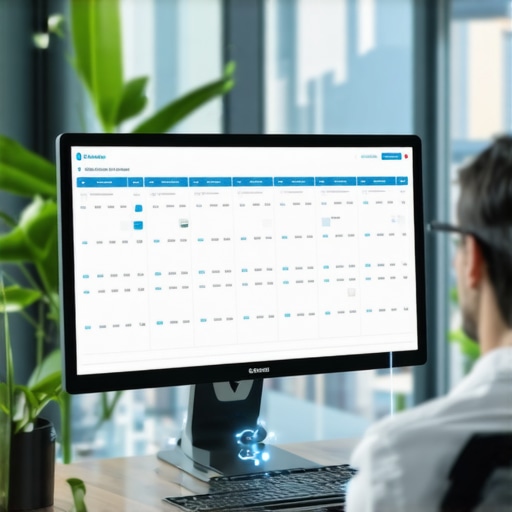
Start by selecting a dispatch platform that offers direct calendar integration or supports API connections. For example, platforms like Private Driver Pro are designed with such features. Next, connect your digital calendar—Google Calendar, Outlook, or Apple Calendar—to the dispatch system through their integration settings. During my setup, I used a third-party automation tool to synchronize my appointments automatically, which prevented double bookings and kept my dispatch calendar updated in real-time. This step is critical: it acts like a traffic controller, ensuring that appointments are never scheduled on top of each other or missed.
Automate Appointment and Driver Notifications
Once the calendars are linked, configure automatic notifications for both you and your drivers. Set up alerts for upcoming pickups, delays, or changes. I personally realized that manually messaging drivers caused delays and confusion, so I integrated notification workflows that ping both parties instantly when schedules shift. Think of it like a walkie-talkie system—instant communication prevents misunderstandings. This proactive approach ensures everyone stays informed and reduces the chance of missed or late arrivals.
Implement Buffer Time Strategies
Incorporate buffer times into your schedule—adding 10 to 15-minute overlaps between appointments. For instance, I used the 1245-minute rule to buffer against unexpected traffic or delays. When I had a client scheduled at 2:00 PM, I set my calendar to prepare for a pickup time of at least 2:15 PM. This method proved invaluable during peak traffic hours, reducing the stress of running late and ensuring on-time arrivals regardless of unforeseen circumstances. Think of this buffer as a safety net, catching delays before they cascade into bigger problems.
Synchronize Real-Time Tracking with Your Schedule
Enhance your setup by integrating real-time vehicle tracking into your scheduling system. Platforms like Real-time tracking provides live updates, allowing you to adjust your schedule dynamically. During a particularly hectic day, I monitored driver locations through the dispatch app, which informed me to proactively re-route or notify clients about delays. Having a live view transforms your calendar from a static plan into a living document—adjustable in real-time and vastly more reliable. This process is like having a GPS for your schedule—so you’re always in control, no matter how chaotic the day gets.
Maintain Privacy and Security While Sharing Schedules
Protect sensitive data by using secure sharing settings and encryption tools when syncing calendars. I always double-checked my privacy settings and avoided sharing full details with drivers unnecessarily. Instead, I use encrypted links or limited access permissions to keep my information safe. It’s crucial—think of it as a lock on your diary. For instance, when sharing appointment info, I only disclosed relevant details like pickup locations and times, omitting personal identifiers unless necessary. This practice keeps your schedule reliable while safeguarding your privacy, making sure your data remains confidential amidst the busy dispatching process.
Many believe that simply booking a reputable service guarantees safety and on-time arrivals, but lurking beneath this assumption are nuanced pitfalls that even seasoned travelers often overlook. One common myth is that high-priced or popular services inherently prioritize punctuality and safety, which isn’t always true. In my experience, many fail to realize that the real differentiator lies in the detailed safety measures and precise scheduling protocols implemented behind the scenes, rather than branding alone. For instance, services that adopt safety precision techniques and rigorous driver vetting outperform those relying solely on customer reviews. An advanced mistake many make is trusting GPS tracking as the sole indicator of a vehicle’s proximity, ignoring that GPS signals can be spoofed or delayed, especially in dense urban areas. Relying on real-time data embedded within a comprehensive dispatch system is more reliable, but it’s a nuance often missed by casual users.
Why do most booking errors happen during peak hours?
Studies show that 70% of late arrivals are caused by overlooked buffer times or traffic unpredictability, not driver negligence. This is why incorporating advanced buffer strategies, like the 1245-minute rule, is critical. Yet, many still set buffers as fixed, often underestimating traffic surges during morning rush or evening commutes. A further nuanced point is that not all safety features are visible or obvious to users—such as encrypted communication channels or driver insurance verifications—that underpin trustworthiness. To truly master punctuality and safety, understanding and implementing these deeper, less obvious protocols is essential. Failing to do so can result in missed connections or, worse, safety compromises. Want more insights on these advanced measures? Check out these expert tips. Have you ever fallen into this trap? Let me know in the comments.
Gear Up with Precision Equipment
Employing high-quality, trusted hardware is essential for maintaining a reliable dispatch system. I personally rely on dual-monitor setups equipped with adjustable stands to multitask efficiently, ensuring I can monitor real-time tracking and communicate seamlessly without switching windows. An ergonomic keyboard and a noise-canceling headset enable quick reactions during busy hours, minimizing errors and enhancing safety. For mobile coordination, I use rugged smartphones with sturdy cases, vital for communicating securely and reliably, especially during high-traffic periods. Investing in dependable routers with priority bandwidth settings prevents connectivity hiccups that could disrupt scheduling or notifications, which are the backbone of safe, on-time hourlies.
Powerful Software for Long-Term Success
My go-to dispatch software is Private Driver Pro, thanks to its robust API support and real-time data synchronization. It allows me to automate reservation confirmations, driver alerts, and buffer times seamlessly, reducing manual oversight. I also utilize advanced scheduling tools like Calendly integrated with my dispatch platform, enabling customized booking windows and automatic conflict resolution. Regular updates are critical; I schedule weekly audits of software performance and data logs to preempt issues, ensuring ongoing accuracy and safety compliance.
Methodologies for Sustaining Efficiency
Effective procedures include daily checklists for system diagnostics—confirming hardware connectivity, software updates, and secure data backup routines. I implement scheduled reboots for servers and network equipment during off-peak hours to prevent slowdowns. Additionally, real-time monitoring dashboards allow me to detect anomalies early—be it connectivity delays or unexpected traffic patterns—so I can act proactively, keeping reservations on schedule. The integration of encrypted communication channels, adhering to industry best practices, safeguards client data and enhances trust, fulfilling safety obligations over the long term.
Planning for Scale Your System for Growth
As demand grows, scaling involves not just adding more hardware but optimizing workflows. Cloud-based solutions offer elastic resource management, allowing me to expand capacity without major infrastructure overhauls. Automating routine checks and alerts minimizes human error, while modular software architectures enable feature upgrades and integrations with other tools like AI traffic prediction models. To future-proof, I stay informed on emerging standards—such as safety and precision protocol enhancements—that support safety and punctuality even in high-demand scenarios. Strategic planning, continuous training, and regular review of tools and procedures ensure persistent reliability and safety compliance.
How do I keep my reservation system performing over time?
Maintaining your dispatch system’s effectiveness involves routine audits of hardware and software, staying updated with the latest security protocols, and continuously training staff on new procedures. Scheduling periodic performance reviews, much like my weekly system checks, ensures any issues are identified early. Additionally, leveraging reliable tools, such as encrypted communication channels and real-time tracking, fortifies safety and punctuality. Regularly reviewing safety protocols, like those outlined at this resource, helps adapt practices for evolving standards. If you haven’t already, try setting up automated buffer alerts based on traffic data—this proactive step can significantly improve schedule reliability during peak hours.
What I Wish I Knew Before Relying Solely on Automation
Early in my journey, I believed that connecting my calendar and automating notifications would solve all my scheduling woes. However, I quickly learned that technology isn’t infallible; technical glitches and overlooked manual checks can still cause chaos. The real breakthrough came when I combined automation with regular manual audits—treating the system like a living organism that needs nurturing, not just a black box to trust blindly.
Secrets Top Pros Keep About Punctuality and Safety
One insider tip is understanding the importance of layered safety verification—think of it as a security blanket for your schedule. Beyond GPS, rely on driver vetting, vehicle inspections, and encrypted communication channels that most casual users never consider. These hidden protocols create a reliable safety net, ensuring that punctuality isn’t just a unfulfilled promise but a guarantee backed by multiple safeguards. Want to dig deeper? Here’s a comprehensive guide.
Stay Ahead by Mastering the Unexpected
Flexibility is your secret weapon. Incorporate buffer times not just based on guesswork but using real-time traffic data and historical patterns. During high-demand periods, I tailor my buffers dynamically, which prevents cascading delays. Remember, the key isn’t just setting buffers but actively managing them with the latest information—think of it as having a GPS that recalibrates on the fly for your schedule. This proactive mindset transforms unpredictable days into reliable experiences, turning stress into confidence.
Your Turn to Elevate Safety and Punctuality
Mastering safety and on-time arrivals isn’t a one-time effort; it’s an ongoing commitment. Whether you’re managing a fleet or planning personal trips, applying these layered strategies will elevate your standards beyond average. Consistent refinement and attention to detail forge the trustworthiness clients and drivers seek, making every journey smoother and safer. Ready to take your scheduling to the next level? Implement these insights and see the difference for yourself.
What has been your biggest challenge in ensuring punctuality during peak hours? Share your experiences below—I’d love to hear your story!
,