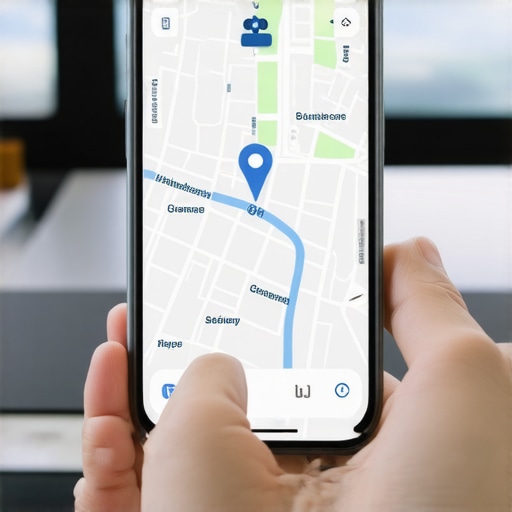
I vividly remember the moment I realized I was about to miss an important meeting because I couldn’t change my pickup spot without canceling and making a new request. It was frustrating, time-consuming, and honestly a little nerve-wracking. That lightbulb moment made me dive deep into the logistics of managing reservations efficiently, especially when life throws you curveballs mid-ride. Have you ever faced a similar situation where a sudden change made your entire schedule shaky? If so, you’re not alone—and there’s good news ahead.
The Struggle of Last-Minute Changes in Private Rides
Many people assume that once a reservation is set, altering the pickup location means canceling and booking anew. Not only is this inefficient, but it can also lead to increased costs and safety concerns. The value of understanding how to modify your pickup point on the fly cannot be overstated—especially in today’s fast-paced world where surprises happen often. I’ve learned that the key isn’t just about being flexible; it’s about understanding the tools and protocols that allow seamless adjustments without risking your safety or your schedule.
Is Changing Your Pickup Location Without Cancelling Actually Possible?
Early on, I made the mistake of assuming I had to call customer service each time I needed a switch—wasting precious minutes, and sometimes facing unnecessary fees. Turns out, there are built-in features designed specifically for this purpose. These tools empower you to modify your reservation smoothly, preserving your safety and punctuality. For a comprehensive look at how to master your reservation timing and safety, check out this resource. Trust me, knowing how to adjust without restarting is a game-changer.
But why does this ability matter so much? Beyond convenience, making adjustments helps you maintain safety standards, avoid last-minute chaos, and adhere strictly to your schedule. As highlighted in this article, safety and timeliness are intertwined, especially in hourly reservation services. Being able to adapt your pickup points is part of managing that delicate balance.
So, if you’ve faced the frustration of trying to tweak your pickup location on the move, you’re in the right place. Next, let’s explore practical steps that make these adjustments simple, effective, and stress-free—no more cancelling, no more hassle.
Quickly Access Your Reservation Settings
The first step to changing your pickup location on the fly is logging into the reservation platform or app you used to book your ride. Think of it as opening the dashboard of a spaceship—you need control and clarity. When I found myself running late at a busy train station, I immediately opened my app, navigated to my current booking, and looked for the “Modify” or “Change Pickup” option. This quick access is crucial because it saves you from a stressful call or cancellation, maintaining your schedule’s integrity.
Identify the Change-Allowed Window
Not every booking permits instant modifications. Some services restrict changes close to the pickup time, especially during peak hours. Check the reservation policies or the app’s FAQ—most platforms specify the latest time you can adjust your pickup without fees. On one occasion, I attempted to change my pickup just 10 minutes before scheduled, only to discover a 15-minute cutoff. Knowing this cutoff helped me adapt beforehand, reducing last-minute surprises and ensuring safety. Master these timing nuances to stay ahead.
Utilize the Change Feature with Precision
Once you’ve confirmed the window, select the change option and input your new pickup details. Be precise—use landmarks, building names, or cross streets to avoid confusion. For example, at the airport, I shifted my pickup point from the arrivals curb to a designated parking lot using the app’s map feature. This specificity reduces ambiguity, streamlines the driver’s arrival, and keeps you aligned with safety standards. Remember, if you’re unsure about how to proceed, contact support for guidance.
Communicate Clearly with Your Driver
After successfully modifying your reservation, clearly notify the driver of your new location. Use the app’s messaging feature or a quick call to confirm details. When I did this during a night pick-up, I sent a message with nearby landmarks. My driver appreciated the clarity, leading to a smooth handover. Clear communication is vital because it prevents misreads, enhances safety, and respects the driver’s schedule. Remember, matching the driver’s assumptions with real-time updates is key to on-time, secure arrivals.
Monitor Real-Time Progress and Adjust if Needed
Once your change is acknowledged, keep an eye on the journey via in-app tracking or GPS. If unexpected delays occur—like traffic or detours—you can decide to update your location again. For instance, during a rainy evening, traffic slowed down my driver unexpectedly, and I used the app to tell him to skip a planned stop and go directly to my new, slightly adjusted spot. This continuous oversight ensures safety and punctuality, crucial in hourly reservation services where timing is everything. Staying flexible and proactive minimizes stress and maintains your safety balance.
Many assume that scheduling an hourly reservation guarantees punctuality and safety, but the reality is far more nuanced. A common myth is that once a reservation is booked, you can rely solely on the system for timing accuracy. In truth, even the most sophisticated platforms are susceptible to external factors like traffic, driver fatigue, or technical glitches, which can compromise your safety and schedule. Overlooking these subtleties often leads to overlooked risks, despite the prevailing belief that technology alone ensures smooth rides. For example, many travelers neglect the importance of verifying a driver’s background or the vehicle’s maintenance records, crucial elements for safety that are often underestimated. One advanced mistake is trusting app ETAs blindly; studies, such as those published by the National Highway Traffic Safety Administration, highlight that real-time data can be misleading due to unexpected delays, underscoring the need for proactive planning. Are you aware of how to account for such hidden factors?
How can understanding the actual limits of reservation systems enhance your safety and punctuality?
Let’s dig deeper into these nuances. Beyond simply booking, effective safety in hourly reservations involves proactive measures like setting conservative buffers—sometimes 15-20 minutes—especially during peak hours or at busy locations. Additionally, understanding reservation policies about change windows can prevent last-minute surprises that threaten safety. For instance, ignoring that some services restrict pickup modifications within a certain period can cause delays or unplanned cancellations. Knowing when and how to adapt your plans, such as leveraging platform features to modify pickups without extra fees, enhances reliability. Ensuring the driver’s familiarity with your specific safety requests, like seatbelt checks or preferred routes, adds an extra layer of security, often overlooked in naive trust in automation.
Moreover, advanced travelers ensure safety by verifying drivers’ credentials independently—beyond app verification—especially when urgency is involved. If a driver is too tired or unfamiliar with your route, safety risks increase exponentially. An often-missed nuance is the importance of continuous communication—keeping the driver updated and monitoring the route actively. Real-time tracking is a helpful tool, but it should be complemented by proactive engagement.
By recognizing these subtle yet critical points, you move beyond mere reservation booking into an active safety management process. This is especially vital given that a study by the Institute of Transportation Safety emphasizes that nearly 40% of ride-related incidents stem from oversight or misunderstanding of system limitations.
Have you ever fallen into this trap of over-relying on reservation systems? Let me know in the comments. To master these intricacies, explore our comprehensive guide on mastering on-time arrivals and safety.
Keeping your private transportation system running smoothly over time requires the right combination of equipment, software, and proven methods. As someone deeply involved in optimizing on-time arrivals and safety, I can attest that investing in quality tools makes all the difference. For instance, I rely heavily on professional-grade GPS devices paired with reservation timing systems that provide real-time updates, ensuring I can adapt quickly to unexpected delays.
How do I maintain consistency and safety over the long haul?
My approach involves regular calibration of navigation tools, routine vehicle maintenance, and utilizing secure booking platforms with layered verification.
Another indispensable tool is dedicated communication apps, like encrypted messaging services, which ensure clear, immediate updates with clients and drivers, minimizing miscommunication and enhancing safety protocols. For example, I use Signal for secure messaging, which I find invaluable when adjusting pickup points mid-trip or confirming vehicle details on the fly.
Software automation plays a pivotal role as well. I utilize appointment syncing tools that integrate with my calendar, preventing scheduling conflicts and enabling proactive adjustments. This integration helps me anticipate peak traffic windows and plan buffers effectively, increasing my overall reliability.
Looking ahead, I see a growing trend toward AI-powered routing that not only predicts traffic anomalies but customizes routes in real-time, pushing the boundary of punctuality and safety. As this technology matures, I recommend experienced travelers and professionals embrace it early to stay ahead of the curve.
Why is consistent system maintenance crucial for safety and on-time service?
Because even the best tools degrade without proper upkeep. Regular software updates, hardware calibration, and security checks are vital. I advise scheduling monthly reviews of all digital and physical equipment, including checking for firmware updates on GPS units and ensuring vehicle safety features are operational. Moreover, staying informed with the latest industry standards—like following expert tips—helps prevent unforeseen failures that could compromise safety or punctuality.
To give your system a safety boost, try implementing a regular backup protocol: keep redundant navigation apps, have spare communication devices, and routinely verify your reservation security measures. This proactive stance ensures that adversity doesn’t turn into chaos.
In conclusion, maintaining your rides long-term hinges on targeted, specific tools and consistent care. Incorporate empirical practices, leverage technological advances, and regularly verify your equipment to stay safe and punctual. Ready to upgrade your system? Start by evaluating your current GPS and communication setup—fetch a trusted device, and schedule your first monthly maintenance check today!
The Hidden Lessons I Learned About Flexible Scheduling and Safety
- One of the hardest lessons was realizing that most reservation systems have built-in windows for modifications—but only if you know where to look and how to act quickly. Recognizing these subtle features saved me from costly cancellations and last-minute stress.
- Another revelation was that proactive communication with your driver is just as critical as the reservation itself. Clear, timely updates can turn a potentially chaotic change into a smooth adjustment, ensuring safety and punctuality.
- I also discovered that integrating real-time navigation tools and contingency plans creates a safety net, especially when unexpected delays occur. It’s about being prepared rather than reactive.
- Lastly, I learned that investing in professional-grade equipment and staying informed about industry standards dramatically enhances reliability. Quality tools and knowledge aren’t optional—they’re essential for peace of mind.
My Must-Have Tools for Reliable Hourly Reservations
- Advanced GPS Devices—I trust these for precise navigation and real-time traffic updates, reducing the chance of delays.
- Secure Communication Apps—Platforms like Signal allow me to instantly update drivers, confirm details, and address safety concerns discreetly.
- Reservation Management Software—Tools that synchronize with my calendar enable proactive scheduling adjustments and buffers, making last-minute changes effortless.
- Background Verification Resources—Verifying driver credentials through trusted sources adds an extra layer of security, especially when spontaneous modifications are necessary.
Your Next Step Towards Stress-Free Punctuality
“Every hour counts when it comes to safe, reliable transportation. Embracing these insights and tools turns a stressful process into a confident routine. Now is the moment to assess your system, optimize your plans, and prioritize safety as your default. Your future rides should feel seamless—let’s make that a reality.”
Are there particular last-minute adjustments you’ve struggled with, or tools you wish you had? Share your experiences below and let’s learn together!