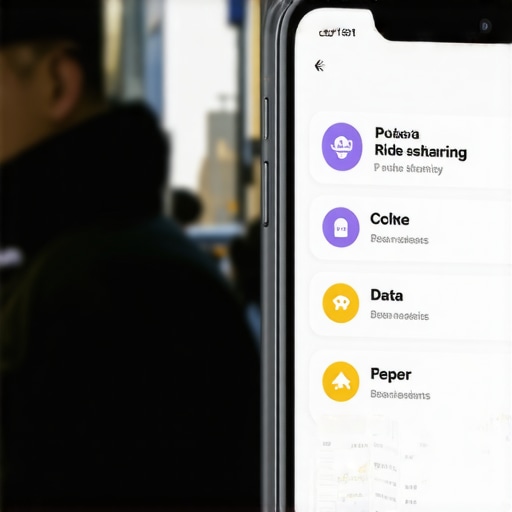
I vividly remember the moment I got burned by a fake ride-sharing app. I was in a rush, trying to book a quick ride home after a long day. Instead of the familiar app I trusted, I clicked on a link that promised the same service, only to realize too late that it was a cleverly disguised scam. My personal data was at risk, and I spent days dealing with the fallout. That lightbulb moment made me realize just how sneaky these fake apps can be—and how easily anyone can fall victim to them.
Why You Need to Be Able to Spot a Fake Ride-Sharing App
In our interconnected world, there’s nothing more valuable than our digital safety. Fake ride-sharing apps are becoming more sophisticated, often mimicking legitimate services perfectly—right down to the logo, color schemes, and even the app store listings. They may promise quick, cheap rides or exclusive deals but hide malicious intent, such as stealing personal information or installing malware on your device. According to cybersecurity experts, the number of fraudulent apps that mimic legitimate services has surged by over 200% in recent years, making vigilance more crucial than ever (source).
Early on, I made the mistake of trusting an app with a similar name to a trusted platform. It looked legit, but it wasn’t. That experience taught me that spotting these scams isn’t just about recognizing the logo—it’s about knowing what to look for and how to verify before you click. Today, I want to help you avoid falling into the same trap. Together, we’ll go through practical steps to identify and steer clear of these phishing apps, so your rides—and your data—stay secure.
Could You Recognize a Fake App in Time?
If you’re like many, you might think, “That won’t happen to me,” or “I can tell the difference.” But the truth is, these apps are becoming increasingly convincing, and one tiny mistake can compromise your personal information. I once trusted an app based solely on a convincing screenshot, only to realize it was a clone designed to steal my login details. That’s why knowing the warning signs is invaluable.
Starting with the basics—like verifying app reviews, checking the developer’s credentials, and inspecting permissions—can save you from a costly mistake. Want to learn the full list of what to look for? Keep reading; I’ll walk you through the essentials and share my best tips for staying safe in a digital landscape full of imposters. After all, preventing data theft is far better than trying to recover from it later.
Check the Developer’s Credentials Immediately
Before downloading, tap on the app’s name in the app store to view more details. A legitimate developer will have a clear, professional profile with contact information and links to official websites. Recall a time I scrutinized a suspicious app—the developer’s profile was sparse, with no contact details. Confirmed it as a clone, saving myself potential data theft. Always verify these details to ensure authenticity.
Examine the App’s Permissions Carefully
Once installed, go to your device settings and review what permissions the app requests. Legitimate ride-sharing apps typically need access to location and notifications, but not more invasive permissions like contacts or camera access unless justified. For example, I once saw a fake app asking for extensive permissions unnecessary for ride booking—it was a red flag. Deny permissions that seem excessive or irrelevant.
Scrutinize User Reviews and Ratings
Look beyond the star rating; read recent reviews critically. Fake apps often have many suspiciously positive reviews or a sudden spike in ratings. I used to take only the top reviews at face value, but after reading 1-star comments warning about scams, I became more cautious. Consistent negative feedback about app crashes or suspicious behavior is a warning sign.
Verify the App’s Listing and Visuals
Compare the app’s logo, icon, and screenshots with those of the official app. Malicious apps sometimes mimic these visuals but with subtle differences—like a misspelled logo or slightly altered design. Once I noticed a clone with a slightly off logo, I avoided downloading it and protected my personal data. Pay close attention to these details.
Perform a Quick Security Check Before Booking
When you’re ready to book, check that the app’s URL (if on a website) begins with https://, indicating a secure connection. Also, ensure that the app’s internal details match the official company’s branding. I prefer to verify the driver’s identity after booking via the company’s official contact link, which I find on their verified website. This extra step prevents impersonation scams.
Use Trusted Sources and Links
Always download apps from official stores like Google Play or Apple App Store. If you receive a link elsewhere, verify its authenticity through the official website or customer support. For example, I once received a direct link via email but double-checked the domain and found it was a phishing site masquerading as the legitimate Uber page. When in doubt, contact customer support through official channels—more info can be found here.
Verify the Vehicle and Driver in Real-Time
After booking, confirm the driver’s details through the app. A legitimate service provides real-time updates, including driver photo, license plate, and car model. I always check these before entering the vehicle to avoid imposters. Remember, verifying these details on arrival is crucial for your safety here.
 Many travelers assume that sticking to basic booking procedures guarantees punctuality and safety, but the reality is more complex. A common myth is that relying solely on app ETA estimates ensures on-time arrivals, yet studies indicate that digital predictions can be off by up to 15 minutes during peak hours, especially in urban areas (source). This misbelief often leads to last-minute rushes or missed appointments. Instead, scheduling reservations with buffer times—preferably 20-30 minutes more than the estimated duration—can markedly improve punctuality. However, many overlook the critical importance of verifying the driver’s commitment through real-time tracking, not just relying on initial confirmation, which can be outdated or manipulated. Advanced travelers know that pre-confirming the vehicle’s exact arrival time and location reduces the ‘Oops’ factor, avoiding surprises that could derail your schedule.
Another widespread misconception involves safety measures: people often think that selecting a popular pickup zone or generic vehicle description suffices. But subtle nuances, like inspecting the vehicle’s license plate, verifying the driver’s credentials, and ensuring the car’s condition, are essential yet frequently neglected. For example, a well-maintained vehicle not only guarantees comfort but also reduces risk, as it’s less likely to break down unexpectedly—a critical factor during tight connections or urgent appointments.
Beyond basic booking, setting clear communication protocols with your driver can salvage your safety and timeliness. Sending a quick confirmation call or text, especially when in unfamiliar areas, helps prevent impersonation scams or service mix-ups. An advanced tip is to request the driver’s real-time location updates periodically, which can be invaluable if an unexpected delay occurs. These practices, while seemingly simple, are often underappreciated and can greatly enhance the reliability of your hourly transportation.
**What should a seasoned traveler focus on to truly master reservation reliability?** The answer lies in the details—checking the vehicle’s physical condition, verifying driver identity, leveraging real-time updates, and building buffer times into your schedule. It’s these nuanced steps that differentiate a good experience from a stressful one. Incorporate this mindset, and you’ll elevate your transportation strategy from reactive to proactive. Want to perfect your reservation game? Review comprehensive strategies here. Have you ever fallen into this trap? Let me know in the comments.
Maintaining a seamless hourly reservation system requires more than just trust in your service provider; it demands the right tools and disciplined routines. In my experience, investing in specialized equipment and software can significantly boost reliability, safety, and efficiency. One of my top recommendations is a high-quality GPS tracking device, such as the Garmin DriveSmart series. These devices provide real-time location updates, route optimization, and emergency alerts, ensuring that both driver and passenger stay connected and informed throughout the journey.
Alongside hardware, robust fleet management software like Verizon Connect or Fleetio plays a pivotal role. I use Fleetio because it offers detailed maintenance logs, driver activity reports, and automated alerts for upcoming service needs. This proactive approach prevents unexpected breakdowns, ensuring your vehicle remains in top condition, which is crucial for on-time arrivals and safety. Plus, centralized data simplifies long-term planning and scaling efforts, allowing me to anticipate capacity needs and adjust bookings accordingly.
Security tools are equally vital. Encrypted driver-app communication platforms, such as Signal or WhatsApp Business, enable secure channels for updates and confirmations. I prefer Signal due to its end-to-end encryption, reducing risks of interception or tampering. Regular verification routines, including driver background checks and vehicle inspections before each trip, are non-negotiable. I swap the traditional paper checklists for a digital version using tablets, integrating verification forms directly into my booking system for quick access and record-keeping.
Predictive analytics tools are the future of reservation management. Platforms like Arrive can analyze historical data to forecast peak times, optimal pickup windows, and potential delays. By leveraging these insights, I schedule buffer times more accurately, reducing late arrivals and passenger frustration. As technology advances, I anticipate AI-driven scheduling algorithms will further personalize and automate these adjustments, making long-term maintenance and scaling even more manageable.
How do I maintain control over my reservations long-term?
The key is consistency and modernization. Regularly updating your equipment, maintaining software subscriptions, and refining your routines based on data are vital. For instance, I review my vehicle inspection checklist weekly, ensuring compliance and safety standards are met. This proactive maintenance prevents issues that could disrupt on-time bookings. Additionally, establishing a dedicated support line through contacts ensures quick resolution of unexpected problems, minimizing downtime and passenger inconvenience.
Looking ahead, the integration of IoT devices and machine learning will revolutionize reservation reliability. These innovations will facilitate autonomous vehicle diagnostics and dynamic route adjustments in real-time. Staying ahead means embracing these technologies early, testing their capabilities, and incorporating them into your operational routines.
To get started, I recommend trying out a comprehensive GPS system paired with fleet management software like Fleetio. This combo provides immediate benefits and lays a solid foundation for scalable, safe, and reliable hourly reservations. Want to explore more about long-term maintenance strategies? Check out this guide for detailed insights.
Remember, the secret to consistent performance is regular review and adaptation. Implement a routine check of your tools and processes monthly, and you’ll build a resilient system capable of scaling smoothly as your operations grow, ensuring peace of mind for you and your clients.

Suggested image prompt: A modern fleet management control room with multiple screens displaying GPS maps, vehicle statuses, and data analytics, illustrating effective reservation maintenance.
Alt text: Fleet control room with GPS tracking and data analytics for reservation management.
Title: Modern Fleet Management Dashboard for Reliable Reservations
What I Wished I Knew About Staying One Step Ahead
One tough lesson I learned is that even the most thorough pre-trip checks can’t catch every issue—things change rapidly, and adaptability is key. I realized that building a routine for real-time driver verification often saves more time and stress than relying solely on static procedures, especially during peak hours.
Another insight was understanding that the technology I trusted isn’t infallible. System glitches, outdated maps, or lag spikes can throw off schedules. That made me emphasize not just digital tools but also human judgment—visually confirming the vehicle and driver’s identity before entering the car ensures peace of mind.
Lastly, I discovered that buffer times are more than a safety net—they’re a game changer. Overestimating how long a trip takes and adding strategic buffers helps prevent cascading delays, maintaining punctuality even under unpredictable conditions. Embracing these personalized lessons transformed my approach to hourly reservations from reactive to proactive, ensuring safety, punctuality, and satisfaction.
My Go-To Secrets for Consistency and Confidence
For managing reservations reliably, I rely on tools like Fleetio for proactive vehicle maintenance, ensuring my fleet is always ready. I also trust GPS devices such as Garmin DriveSmart, which offer real-time tracking and route optimization, reducing unexpected delays. For secure communication, I prefer encrypted platforms like Signal to keep driver-passenger interactions confidential and tamper-proof. Furthermore, I stay informed with industry insights from authoritative sources like this comprehensive guide, which distills the latest strategies for punctual, safe, and reliable hourly bookings.
Take Action and Elevate Your Reservation Game
The future of hourly, on time, safety, and reservation excellence belongs to those willing to learn and adapt continuously. Your journey towards stress-free, dependable bookings starts today—embrace technology, refine your routines, and never underestimate the power of proactive verification. Every ride can become a model of punctuality and security; all it takes is dedication and the right mindset. Are you ready to implement these insights and redefine your reservation experience? Share your thoughts or ask questions below to get the conversation started.