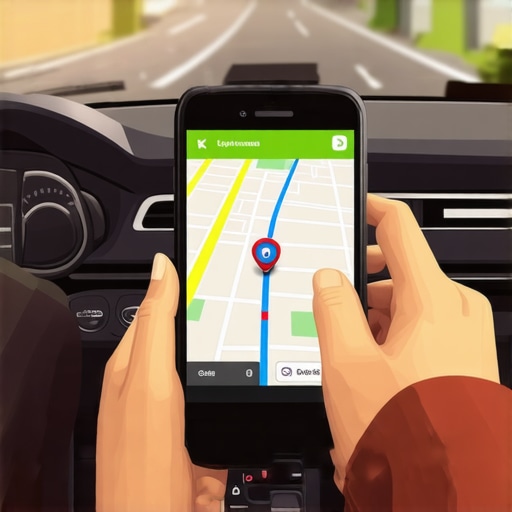
Ever been stuck in a situation where your ride was scheduled to pick you up at one spot, but circumstances forced you to change plans at the last minute? Maybe you were heading to a meeting downtown, only to realize your venue changed or the parking lot was full. I remember one particularly frustrating morning when I arrived at the prearranged pickup point, only to find it deserted—my driver had already left because I hadn’t updated my location in time. That rush to scramble and correct the mistake left me stressed and, honestly, a little embarrassed.
Why Flexibility in Pickup Locations Can Save Your Day
From then on, I realized the importance of knowing how to modify my pickup location quickly and smoothly. Whether it’s due to unexpected roadblocks, sudden changes in your schedule, or last-minute detours, being able to adjust your pickup point on the fly can be the difference between catching your train or waiting in line for a taxi that might never arrive.
One thing I learned early on is that not all booking platforms handle this flexibility well. Some make you go through complicated steps, while others simply don’t allow changes once a ride is confirmed. That’s why understanding the nuances of updating your pickup location — and doing it confidently — is essential for anyone relying on hourly reservation services. According to Private Driver Pro, maintaining control over your pickup points not only boosts your punctuality but also enhances safety, especially during late-night or high-risk trips.
Now, imagine if you could effortlessly command your ride to shift to a new location without ending up stranded or waiting forever. That’s exactly what today’s post aims to teach. Whether you’re a busy professional, a traveler juggling multiple stops, or someone who just values punctuality, mastering the art of on-the-fly pickup modifications can streamline your entire experience.
Is Changing Your Pickup Location Actually Worth the Hype?
Many worry that attempting to modify their pickup points might lead to confusion, extra charges, or even safety concerns. I’ll admit I made a common mistake early on—trying to change my location directly through a social media message to the driver, which often caused delays or miscommunications. Over time, I discovered that the key lies in knowing the right steps and using the proper tools provided by trusted platforms. Don’t worry; I’ll guide you through exactly how to do this efficiently and safely.
So, if you’ve ever faced a last-minute change and felt helpless or unsure, stick around. We’ll break down proven strategies to keep you in control, stay safe, and arrive on time, no matter what surprises pop up. Ready to learn how to modify your pickup location seamlessly? Let’s dive in.
The First Step: Use the Platform’s Built-In Editing Tools
When you realize a change is needed, your immediate move should be to access the booking platform’s editing options. Most reliable services have a dedicated ‘Modify Pickup’ button. I experienced this firsthand during a business trip; I needed to reroute my pickup due to unexpected traffic. By opening the app and clicking ‘Edit,’ I was able to update my location within seconds, preventing a missed ride or extra charges. Make sure to have the app updated so these features function smoothly, and familiarize yourself with the interface beforehand to avoid fumbling in a pinch.
Confirm Your Changes Before Proceeding
Once you’ve entered a new pickup point, always double-check the details. Confirm the address, proximity landmarks, and any special instructions. For instance, during a recent last-minute change, I accidentally selected a nearby coffee shop instead of the main entrance. The driver was waiting at the wrong spot, causing a brief delay. A simple review before confirming your update is vital. This practice minimizes miscommunication and ensures your driver arrives exactly where you need them, which is crucial for maintaining safety and punctuality, especially when operating under hourly reservations where every minute counts. For detailed safety tips, see this guide.
Communicate Clearly with Your Driver
After updating your pickup point, send a quick message through the platform’s messaging feature or call if additional clarification is needed. Specify landmarks, parking instructions, or any hazards to look out for. I once had to sprint a few blocks to meet my driver at a side entrance of a hotel; timely communication saved me from long wait times. This ensures safety, reduces the risk of misunderstandings, and keeps the journey on schedule. Remember, clear communication is the cornerstone of secure and punctual hour-based transportation.
Leverage Real-Time Tracking to Stay Informed
Most advanced reservation platforms include GPS tracking. Use this feature to monitor your driver’s progress after adjustments. During a late-evening appointment, I kept an eye on my driver’s tracker, which reassured me that they had acknowledged the change and were en route. This transparency adds an extra layer of safety, allowing you to prepare for the pickup and avoid unwanted surprises. For more on staying secure during your rides, check these security tips.
Stay Flexible but Cautious About Extra Charges
While most platforms don’t penalize last-minute changes, some might apply fees, especially if you change the pickup multiple times or at peak hours. During a recent trip, I adjusted my location at the last second, and the app warned me of potential additional costs. I chose to confirm, knowing that the safety and punctuality benefits outweighed the fee. Always read the fine print and confirm the potential charges before finalizing your change, especially in high-demand periods. This awareness keeps you in control and prevents unexpected expenses, aligning with the goal of maintaining safety and punctuality in hourly services.
Keep Emergency Numbers Handy
If platform tools are unresponsive or you encounter issues, contacting customer support is your safety net. Save the platform’s support number and your driver’s contact info beforehand. During a chaotic morning, a delayed update on my end almost caused me to miss my ride. A quick call to support clarified the situation, and I managed to get my driver to wait a few extra minutes. Having these contacts ready is a crucial safety measure, ensuring you’re not stranded or late when digital systems falter.
Applying these steps transforms last-minute adjustments from a stressful ordeal into a manageable process. The key is to stay proactive, communicate clearly, and leverage safety tools like real-time tracking. With practice, modifying your pickup point becomes instinctive, safeguarding your safety and punctuality at every hour of the day.
Many believe that making a reservation guarantees both safety and on-time arrival, but in my experience, there’s a nuanced layer that most overlook. The common myth is that once your ride is booked, you’re set, and there’s little room for error. However, this mindset can lead to complacency, especially when last-minute changes or unexpected delays occur. The truth is, even with the most reliable platforms, **proactive communication and understanding the platform’s behind-the-scenes safety measures** play a crucial role in ensuring your journey remains smooth. According to Private Driver Pro, trusting the system without actively managing your reservation increases the risk of miscommunication or safety lapses. An advanced mistake many commit is assuming that safety protocols are infallible, but without verifying driver credentials, vehicle maintenance, and security features, you’re leaving room for avoidable risks. Moreover, the popular belief that scheduling during off-peak hours automatically reduces delays can be misleading; traffic patterns can be unpredictably complex. A subtle trap occurs when travelers fail to account for **buffer times** well beyond the typical 15-minute window, especially during major events or rush hours, as detailed in this resource.
Now, addressing more sophisticated questions:
How can I verify that my reservation system incorporates the latest safety protocols without relying solely on platform claims?
The answer lies in reviewing independent security audits, user reviews, and confirming that the service adheres to official licensing and vehicle standards. Platforms that transparently share their security measures demonstrate a higher commitment to safety.
A crucial pitfall is neglecting contingency planning for unexpected circumstances. For instance, not pre-sharing real-time tracking links or neglecting to set emergency contacts can significantly impact safety if things go awry. Remember, in the realm of hourly reservations, **anticipating the unexpected and maintaining control over your safety details** differentiates average experiences from outstanding ones.
Let’s dig deeper—have you ever fallen into this trap? Let me know in the comments. Mastering the nuances before they trip you up is essential for confident, safe, and punctual transportation every hour of the day.
Keeping Your Reservation System Running Smoothly
Maintaining an effective reservation setup is crucial for ensuring safety, punctuality, and overall satisfaction. My go-to approach involves leveraging specialized software combined with routine checks. One indispensable tool I rely on is reservation management platforms like Private Driver Pro. It offers real-time scheduling, automated reminders, and secure booking procedures, which collectively reduce errors and improve reliability.
Beyond software, I recommend setting up a dedicated communication channel—such as a secure Slack workspace or a dedicated WhatsApp group—to coordinate last-minute changes efficiently. Regularly updating your contact lists, driver credentials, and vehicle information keeps everything current, minimizing the risk of miscommunications during time-sensitive moments.
One method I personally practice is implementing scheduled routine audits of the system. Every two weeks, I review recent bookings, verify driver credentials, check GPS tracking accuracy, and test the emergency contact links. This discipline helps catch issues early, such as outdated driver licenses or GPS discrepancies, before they escalate. According to this resource, consistent system checks are vital to uphold safety and punctuality standards in hourly services.
Why do I keep my tools updated?
Software updates typically include security patches, feature enhancements, and compatibility improvements. Running outdated software can introduce vulnerabilities, cause performance issues, or disrupt communication during critical moments. For instance, I experienced a software glitch during a peak hour reservation when outdated app versions led to sync issues—fixing that promptly prevented a missed pickup.
Looking ahead, I predict that automation and AI-driven scheduling will become even more prevalent, reducing manual oversight and increasing precision. Imagine smart systems that analyze traffic patterns in real-time and suggest optimal pickup windows automatically—this is where the future is heading. To stay ahead, integrating AI-supported tools now is a smart move.
How do I maintain tools over time?
Develop a routine check schedule—set alarms or calendar reminders to review your system’s health weekly. This includes verifying software licenses, checking for updates, and replenishing emergency supplies like backup chargers or GPS devices. Additionally, testing your systems during off-peak hours ensures that everything functions correctly without the pressure of immediate deadlines. This proactive approach not only guarantees ongoing safety but also builds resilience against unexpected glitches.
If you’re ready to elevate your reservation reliability, I highly suggest implementing automated alerts for system updates and GPS accuracy checks. Doing so can drastically reduce last-minute surprises and keep your operations on track. For more detailed strategies, don’t hesitate to reach out here and get personalized advice.
The Hidden Truth About Last-Minute Changes That No One Tells You
One of the hardest lessons I learned about reservation,safety,on time,hourly is that adaptability isn’t just a nice-to-have — it’s a necessity. I once believed that booking in advance meant I was set for the day, but a sudden street closure forced me to re-route on the spot. That experience taught me that the real game-changer is having the quick decision-making skills and tools to adjust seamlessly. Another insight I uncovered was how much confidence can be gained when you understand the platform’s behind-the-scenes safety features; trusting technology without verifying details can be risky. Lastly, I realized that clear communication with your driver right after making a change can prevent confusion and delays, reinforcing the importance of proactive engagement rather than passive reliance on the system.